所有
所有
·
10分鐘
·
10分鐘
W. Ting
已更新
已更新
已更新
在當今的商業環境中,許多小型新創團隊都面臨著相似的溝通困境。一個由硬體技術人員、業務開發與營運管理所組成的團隊,往往深受電子郵件往返所苦,不僅效率不彰,更是疲於在雜亂的收件匣中,反覆尋找「某人在很久以前寄過」的重要文件。他們迫切需要一款能整合不同工作型態的團隊工作 App,來終結這種混亂。
有鑑於此,本文將深入解析如何為多元職能的團隊挑選合適的協作平台。下文將先闡明協作平台的核心價值,並精選六款各具特色的工具進行深度評比,旨在協助同樣處境的團隊,從中找到最適合的解決方案,徹底提升協作效率。
更多延伸閲讀
所謂協作平台,是一個能讓團隊成員集中工作、溝通並管理專案的線上空間。它最大的優勢在於能打破部門隔閡與地理限制,讓所有成員可以即時在單一檔案上進行「共同編輯」,徹底告復來回傳送檔案版本的混亂。這不僅能確保資訊的即時性與正確性,更能大幅減少溝通成本,直接提升團隊的整體執行效率。
即時協作與版本統一:團隊成員能於同一文件上進行「共同編輯」,並可隨時查看修改記錄。例如,行銷團隊在擬定活動企劃書時,所有人皆可同時編輯與評論,系統會自動儲存所有版本,徹底終結「檔案-final-最終版-v2」的混亂。
提升溝通效率,減少往覆確認:直接在文件或任務卡上進行討論,所有對話脈絡與檔案集中。例如,工程師在專案管理工具中回報一個Bug,產品經理與設計師能在同一個任務串中直接回覆與附上修正檔,無需在電子郵件與通訊軟體間切換。
任務進度視覺化,責任明確:透過看板、甘特圖等工具,讓每個任務的負責人與進度一目了然。例如,專案經理可以透過視覺化看板,快速掌握整個團隊目前是「進行中」、「已完成」或「卡關中」的任務數量與細節。
知識庫與檔案集中管理:所有重要文件、會議記錄都集中儲存於雲端,方便新舊成員隨時查找。例如,新進同仁無需四處詢問,即可在團隊的協作平台中找到過往的專案報告、SOP 作業流程等,大幅縮短上手時間。
在了解協作平台的核心優勢後,更重要的是檢視自身團隊的需求。並非所有團隊都需要一樣的工具,那麼,究竟哪些類型的團隊最需要導入這類線上辦公解決方案呢?
遠端或跨地區團隊:成員分布在不同城市或國家,需要透過即時通訊、視訊會議和共享雲端硬碟來同步工作進度,確保資訊流通無障礙。
專案導向團隊:需要明確的任务分配、進度追蹤與檔案集中管理,例如軟體開發團隊使用看板管理任務,或行銷團隊協同執行大型活動專案。
創意與設計團隊:經常需要對設計稿、影片腳本等進行審核與反饋,透過協作平台能實現視覺化的註記與版本控制,避免搞混最新檔案。
需要頻繁跨部門溝通的團隊:例如產品開發需整合技術、業務與行銷部門的意見,透過統一的討論串與文件共編,能有效整合各方資訊,減少會議時間。
市面上協作平台百百種,但並非每一款都符合日常工作的真實節奏。為了幫助您避開選擇障礙,我們將從大眾的普遍需求出發,為您精選整合度高、實用性強的工作軟體,讓您能快速找到有助於提升團隊效率的協作核心。接著就讓我們一起深入瞭解,哪些平台能真正成為您職場上的得力助手。
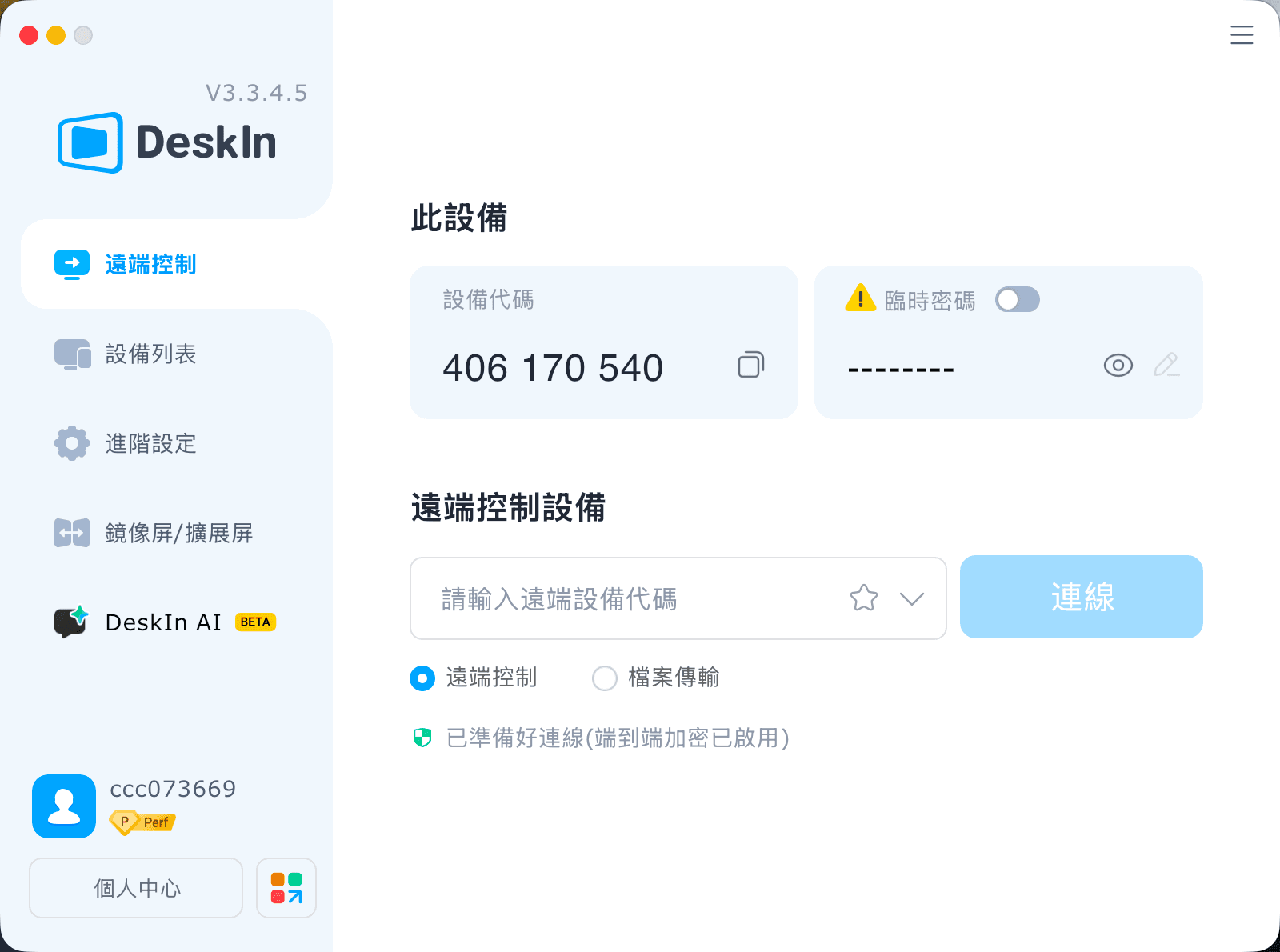
在眾多線上辦公解決方案中,DeskIn 以其穩定流暢的遠端桌面技術,為團隊協作提供了堅實的基礎。它不僅能讓成員隨時隨地安全地連回辦公室電腦,更將單純的遠端存取升級為高效的協作空間,讓團隊無論身在何處,都能像在同一現場般順暢工作。
📥 想試試看嗎?DeskIn 有免費版可以下載,企業級的加密技術,用起來安全又放心!

簡單看看 DeskIn 的優勢有哪些:
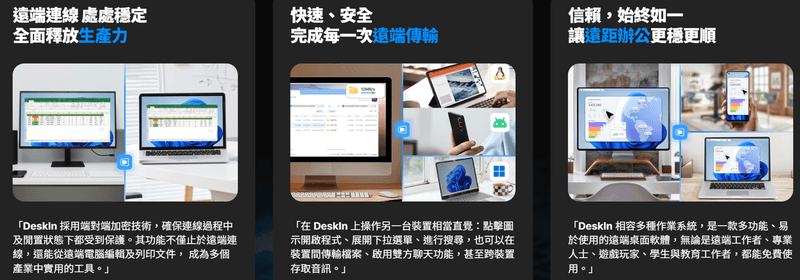
丰富的協作功能:除了核心的遠端訪問,DeskIn 還提供多種實用工具,例如延伸熒幕、鏡像熒幕、語音通話、畫面上的註釋功能以及共享剪貼板,讓協作互動更直接高效。
跨系統傳檔:支持無限制大小、類型以及數量的跨系統檔案傳輸,傳輸速度快,最高可達 12MB/s。
連線穩定品質高:憑藉全球部署的200多個節點,DeskIn 能提供高成功率的連線與流暢的畫面傳輸,且無單次使用時長限制,有效保障長時間工作的穩定性,極少出現斷線情況。
兼容性強:支持 Windows、iOS、MacOS 和 Android 之間的無縫連接和遠程訪問。
4K 超高清 & 低延遲:支持高達 4K60FPS 的圖像質量,延遲低於 40ms。

Google 協作平台是一款以 Wiki 為基礎的線上網站製作系統,專為團隊協作而設計,讓成員能集中一處輕鬆分享和存取重要資訊,並無需程式設計技能即可共同編輯與管理網站內容。其優勢在於直觀的拖放編輯介面、與 Google Workspace 生態系統(如雲端硬碟、日曆)的深度整合,以及靈活的權限管理,可設定不同成員的編輯或檢視權限,非常適合需要快速建立內部專案中心、小組網站或對外公開網點的團隊使用。
Google Drive 作為團隊雲端儲存與協同合作的核心,能讓成員即時在同一份文件、試算表或簡報上進行編輯與討論。其最大優勢在於徹底解決了檔案版本混亂的問題,所有修改歷史皆自動保存,並透過精確的權限設定,安全地與內外部成員共享資料。無論是進行跨部門文件撰寫、行銷活動規劃,或是教育團隊共用教材,Google Drive 都能讓協作流程更集中流暢,大幅提升團隊效率。
飛書是一款整合了即時通訊、視訊會議、雲端文件與任務管理等功能的智能溝通平台 。作為一體化的工作群組 App ,它能讓團隊在單一平台上完成溝通、文件協作與任務追蹤,特別適合需要進行遠距辦公或跨部門專案協作的團隊,藉此提升資訊流通效率。
Trello 是一款直覺的視覺化專案管理工具,它透過「看板、列表、卡片」的靈活架構,幫助團隊輕鬆追蹤任務進度、分配工作並進行協作。其優勢在於操作簡單,能讓任務狀態一目了然,並支援即時更新與評論,非常適合專案團隊、遠距工作者,或用於行程規劃、客戶關係管理(CRM)等需要可視化工作流程的場景。

Figma 是一款以雲端為基礎的 UI/UX 設計工具,其核心價值在於支援多人共同編輯,讓設計師、產品經理與開發者能即時在同一份設計文件上協作與溝通。它不僅能有效減少團隊來回傳遞檔案的時間,其直觀的介面與強大的原型製作功能,更大幅提升了從設計到交付的整體效率,特別適合產品開發團隊與需要視覺化溝通的遠距工作者使用。
總的來說,協作平台的核心價值在於將團隊工作流程集中化與視覺化,其中共同編輯功能更是大幅降低了溝通成本與版本混亂的問題。無論是文件、設計稿還是專案任務,都能透過上述工具實現即時同步與協作。建議團隊在選擇時,回歸到自身最主要的工作模式與痛點,才能挑選出最適合的協作平台,真正釋放團隊的生產力。
📥 點擊 DeskIn 試試看最佳推薦協作平台

在開源協作平台中,Redmine 和 Taiga 是兩款值得考慮的選擇。Redmine 以其靈活性和高度可定製性著稱,非常適合開發團隊;而 Taiga 則專為敏捷開發團隊設計,界面簡潔,直觀易用。
事實上,沒有絕對「最好」的軟體,最關鍵的是選擇最適合您團隊需求的工具。例如,若您的團隊需要進行大量的遠端操作與即時協作,那麼像 DeskIn 這樣具備豐富協作功能、連線穩定且支援跨平台的軟體,會是一個非常值得考慮的選項。
有的,例如 Proton Drive 所提供的文件功能。它採用端對端加密技術,確保只有您與共享對象能存取資料,同時支援多人即時協作編輯,兼顧了隱私與協作需求。

在當今的商業環境中,許多小型新創團隊都面臨著相似的溝通困境。一個由硬體技術人員、業務開發與營運管理所組成的團隊,往往深受電子郵件往返所苦,不僅效率不彰,更是疲於在雜亂的收件匣中,反覆尋找「某人在很久以前寄過」的重要文件。他們迫切需要一款能整合不同工作型態的團隊工作 App,來終結這種混亂。
有鑑於此,本文將深入解析如何為多元職能的團隊挑選合適的協作平台。下文將先闡明協作平台的核心價值,並精選六款各具特色的工具進行深度評比,旨在協助同樣處境的團隊,從中找到最適合的解決方案,徹底提升協作效率。
更多延伸閲讀
所謂協作平台,是一個能讓團隊成員集中工作、溝通並管理專案的線上空間。它最大的優勢在於能打破部門隔閡與地理限制,讓所有成員可以即時在單一檔案上進行「共同編輯」,徹底告復來回傳送檔案版本的混亂。這不僅能確保資訊的即時性與正確性,更能大幅減少溝通成本,直接提升團隊的整體執行效率。
即時協作與版本統一:團隊成員能於同一文件上進行「共同編輯」,並可隨時查看修改記錄。例如,行銷團隊在擬定活動企劃書時,所有人皆可同時編輯與評論,系統會自動儲存所有版本,徹底終結「檔案-final-最終版-v2」的混亂。
提升溝通效率,減少往覆確認:直接在文件或任務卡上進行討論,所有對話脈絡與檔案集中。例如,工程師在專案管理工具中回報一個Bug,產品經理與設計師能在同一個任務串中直接回覆與附上修正檔,無需在電子郵件與通訊軟體間切換。
任務進度視覺化,責任明確:透過看板、甘特圖等工具,讓每個任務的負責人與進度一目了然。例如,專案經理可以透過視覺化看板,快速掌握整個團隊目前是「進行中」、「已完成」或「卡關中」的任務數量與細節。
知識庫與檔案集中管理:所有重要文件、會議記錄都集中儲存於雲端,方便新舊成員隨時查找。例如,新進同仁無需四處詢問,即可在團隊的協作平台中找到過往的專案報告、SOP 作業流程等,大幅縮短上手時間。
在了解協作平台的核心優勢後,更重要的是檢視自身團隊的需求。並非所有團隊都需要一樣的工具,那麼,究竟哪些類型的團隊最需要導入這類線上辦公解決方案呢?
遠端或跨地區團隊:成員分布在不同城市或國家,需要透過即時通訊、視訊會議和共享雲端硬碟來同步工作進度,確保資訊流通無障礙。
專案導向團隊:需要明確的任务分配、進度追蹤與檔案集中管理,例如軟體開發團隊使用看板管理任務,或行銷團隊協同執行大型活動專案。
創意與設計團隊:經常需要對設計稿、影片腳本等進行審核與反饋,透過協作平台能實現視覺化的註記與版本控制,避免搞混最新檔案。
需要頻繁跨部門溝通的團隊:例如產品開發需整合技術、業務與行銷部門的意見,透過統一的討論串與文件共編,能有效整合各方資訊,減少會議時間。
市面上協作平台百百種,但並非每一款都符合日常工作的真實節奏。為了幫助您避開選擇障礙,我們將從大眾的普遍需求出發,為您精選整合度高、實用性強的工作軟體,讓您能快速找到有助於提升團隊效率的協作核心。接著就讓我們一起深入瞭解,哪些平台能真正成為您職場上的得力助手。

在眾多線上辦公解決方案中,DeskIn 以其穩定流暢的遠端桌面技術,為團隊協作提供了堅實的基礎。它不僅能讓成員隨時隨地安全地連回辦公室電腦,更將單純的遠端存取升級為高效的協作空間,讓團隊無論身在何處,都能像在同一現場般順暢工作。
📥 想試試看嗎?DeskIn 有免費版可以下載,企業級的加密技術,用起來安全又放心!

簡單看看 DeskIn 的優勢有哪些:
丰富的協作功能:除了核心的遠端訪問,DeskIn 還提供多種實用工具,例如延伸熒幕、鏡像熒幕、語音通話、畫面上的註釋功能以及共享剪貼板,讓協作互動更直接高效。
跨系統傳檔:支持無限制大小、類型以及數量的跨系統檔案傳輸,傳輸速度快,最高可達 12MB/s。
連線穩定品質高:憑藉全球部署的200多個節點,DeskIn 能提供高成功率的連線與流暢的畫面傳輸,且無單次使用時長限制,有效保障長時間工作的穩定性,極少出現斷線情況。
兼容性強:支持 Windows、iOS、MacOS 和 Android 之間的無縫連接和遠程訪問。
4K 超高清 & 低延遲:支持高達 4K60FPS 的圖像質量,延遲低於 40ms。

Google 協作平台是一款以 Wiki 為基礎的線上網站製作系統,專為團隊協作而設計,讓成員能集中一處輕鬆分享和存取重要資訊,並無需程式設計技能即可共同編輯與管理網站內容。其優勢在於直觀的拖放編輯介面、與 Google Workspace 生態系統(如雲端硬碟、日曆)的深度整合,以及靈活的權限管理,可設定不同成員的編輯或檢視權限,非常適合需要快速建立內部專案中心、小組網站或對外公開網點的團隊使用。
Google Drive 作為團隊雲端儲存與協同合作的核心,能讓成員即時在同一份文件、試算表或簡報上進行編輯與討論。其最大優勢在於徹底解決了檔案版本混亂的問題,所有修改歷史皆自動保存,並透過精確的權限設定,安全地與內外部成員共享資料。無論是進行跨部門文件撰寫、行銷活動規劃,或是教育團隊共用教材,Google Drive 都能讓協作流程更集中流暢,大幅提升團隊效率。
飛書是一款整合了即時通訊、視訊會議、雲端文件與任務管理等功能的智能溝通平台 。作為一體化的工作群組 App ,它能讓團隊在單一平台上完成溝通、文件協作與任務追蹤,特別適合需要進行遠距辦公或跨部門專案協作的團隊,藉此提升資訊流通效率。
Trello 是一款直覺的視覺化專案管理工具,它透過「看板、列表、卡片」的靈活架構,幫助團隊輕鬆追蹤任務進度、分配工作並進行協作。其優勢在於操作簡單,能讓任務狀態一目了然,並支援即時更新與評論,非常適合專案團隊、遠距工作者,或用於行程規劃、客戶關係管理(CRM)等需要可視化工作流程的場景。

Figma 是一款以雲端為基礎的 UI/UX 設計工具,其核心價值在於支援多人共同編輯,讓設計師、產品經理與開發者能即時在同一份設計文件上協作與溝通。它不僅能有效減少團隊來回傳遞檔案的時間,其直觀的介面與強大的原型製作功能,更大幅提升了從設計到交付的整體效率,特別適合產品開發團隊與需要視覺化溝通的遠距工作者使用。
總的來說,協作平台的核心價值在於將團隊工作流程集中化與視覺化,其中共同編輯功能更是大幅降低了溝通成本與版本混亂的問題。無論是文件、設計稿還是專案任務,都能透過上述工具實現即時同步與協作。建議團隊在選擇時,回歸到自身最主要的工作模式與痛點,才能挑選出最適合的協作平台,真正釋放團隊的生產力。
📥 點擊 DeskIn 試試看最佳推薦協作平台

在開源協作平台中,Redmine 和 Taiga 是兩款值得考慮的選擇。Redmine 以其靈活性和高度可定製性著稱,非常適合開發團隊;而 Taiga 則專為敏捷開發團隊設計,界面簡潔,直觀易用。
事實上,沒有絕對「最好」的軟體,最關鍵的是選擇最適合您團隊需求的工具。例如,若您的團隊需要進行大量的遠端操作與即時協作,那麼像 DeskIn 這樣具備豐富協作功能、連線穩定且支援跨平台的軟體,會是一個非常值得考慮的選項。
有的,例如 Proton Drive 所提供的文件功能。它採用端對端加密技術,確保只有您與共享對象能存取資料,同時支援多人即時協作編輯,兼顧了隱私與協作需求。


Control Windows from Your iPad Using Chrome Remote Desktop: Tips & Limits | DeskIn Japan
You're settled into a café in Shimokitazawa or a co-working space in Shinjuku, iPad in hand, no laptop in sight. It sounds ideal — until you need full Excel functionality, a Windows-only business application, or software sitting on the office PC back at your desk.
For many people living and working in Japan, this situation comes up more often than expected. The answer is remote desktop access — specifically, using your iPad to connect to and control a Windows PC from wherever you are.
Among the remote desktop tools available, Google's Chrome Remote Desktop (CRD) consistently gets chosen as the starting point. It's completely free, requires no technical background to set up, and works across devices. For anyone wanting to test the concept before committing to a paid tool, it's the natural first step.
Using an iPad to control a Windows PC isn't quite as seamless as it sounds. Touch input and mouse input are fundamentally different, and without a few adjustments, the experience can feel clunky fast. This guide covers the setup process from scratch, the gestures and settings that actually make it workable, and the honest limitations you'll run into if you push it too far.
Among all the remote desktop options out there, Chrome Remote Desktop wins on approachability. The reason comes down to its sheer ease of use.
Completely free, with no feature restrictions: Whether for personal or professional use, everything is available at no cost — the biggest advantage by far.
No complex setup required: No VPN configuration, no router port-forwarding, no specialist knowledge needed. If you have a Google account, setup takes a few minutes.
Works across devices: Windows, Mac, and iPadOS all connect seamlessly — no environment restrictions.
For anyone who wants to try remote access on their existing iPad without spending anything or reconfiguring their network, CRD is the right place to start.
An iPad and a Windows PC speak different languages — one is built for touch, the other for a mouse. Bridging that gap takes some deliberate setup.
The iPad app offers two control modes. Not knowing about this is the most common reason people give up early.
Trackpad Mode (recommended): Moving your finger anywhere on screen moves the mouse cursor — similar to using a laptop trackpad. Right-click and drag-and-drop work accurately, making this the right choice for Excel, business software, or anything requiring precise input.
Touch Mode: Tapping the screen directly clicks at that point. This works better for browsing or watching videos — consumption tasks rather than production work.
Tip: Switch between modes instantly from the side-panel menu that appears when you swipe in from the right edge of the screen. Get into the habit of switching based on what you're doing.

You can replicate most standard mouse actions with just your fingers:
Right-click: Tap with two fingers simultaneously
Drag and drop: Long-press on a target with one finger, then slide
Scroll: Slide two fingers up or down
If you're using an iPad keyboard like the Magic Keyboard, the key layout takes some getting used to.
Command = Ctrl: The iPad's Command key functions as the Windows Ctrl key in remote sessions. Command + C copies, Command + V pastes — standard shortcuts carry over in that sense.
Japanese input switching: This is where most people hit a wall. The usual shortcuts for toggling between Japanese and English input (nihongo nyūryoku, 日本語入力) — Ctrl + Space or Caps Lock — often don't transmit cleanly to Windows. When this happens, the most reliable workaround is tapping the IME icon in the Windows taskbar directly, or reconfiguring the input method shortcut on the Windows side.
Start on the Windows machine you want to access remotely.
Access the official site in Chrome: Open Chrome and go to remotedesktop.google.com/access
Install the extension: Under "Set up remote access," click the blue download icon and install the Chrome extension.
Enable Remote Access: Click "Turn on" and give your PC a name.
Set your PIN: Create a PIN of at least six digits — you'll need this every time you connect from your iPad. The Windows PC is now ready.
Download the app: Search for "Chrome Remote Desktop" in the App Store and install it.
Log in: Sign in with the same Google account you used on your Windows PC.
Select your PC: Your PC will appear in the device list once it's online.
Enter your PIN: Select your PC from the list and enter the PIN you set. Connection is now established.
Optimise the display: Open the menu (the three-line icon at the bottom right of the screen), go to Settings, and enable "Shrink to fit." This resizes the Windows display to match your iPad's screen, so you're not scrolling around a desktop that doesn't fit.

CRD is genuinely useful — but if you're trying to use your iPad as a primary work machine through it, these friction points will catch up with you.
iPads use a 4:3 aspect ratio; most Windows PCs use 16:9.
Black bars: When displayed on an iPad, large black bars appear at the top and bottom of the screen, reducing your actual working area.
Blurry text: CRD isn't optimised for Retina displays, so fine text — spreadsheet cells, small interface labels — appears soft and blurry. After an hour of this, eye fatigue sets in fast.
This is the biggest pain point for most users working in Japanese.
Shortcut conflicts: Trying to switch between Japanese and English input on the iPad side doesn't transmit cleanly to Windows, leading to constant input errors and frustrating interruptions.
Typing lag: Depending on network conditions, typed characters can appear a beat behind what you're typing — making longer Japanese text genuinely painful to compose.
Even with a physical mouse connected to your iPad, the experience doesn't match what you'd get on a PC.
Unnatural scrolling: Scroll wheel behaviour can be jerky or even reversed.
Advanced inputs not supported: Mouse side buttons aren't recognised, and right-clicking requires a long-press or two-finger tap workaround rather than a direct click. The speed and fluidity of a real PC setup simply isn't achievable.
Chrome Remote Desktop is purely a screen control tool — it doesn't support file transfer between your iPad and Windows PC.
No direct sending: Transferring a photo from your iPad to Windows, or saving a Windows document to your iPad, requires routing through cloud storage like Google Drive or iCloud. It works, but it breaks your workflow every time.

If CRD's limitations are getting in the way of actual productivity, DeskIn was built to solve exactly those problems. Where CRD is designed for "basic screen control," DeskIn is designed for genuine professional use — remote sessions that feel as close to working locally as possible.
The blurry text and choppy movement that characterise CRD on an iPad? DeskIn eliminates both.
Outstanding display quality: 4K resolution and 60FPS high frame rate support. iPad's Retina display is used to its full potential — the experience feels like running Windows locally.
Automatic aspect ratio optimisation: DeskIn adapts automatically to the iPad's 4:3 ratio, filling the screen properly without black bars.
Input performance is where the gap between DeskIn and CRD is most noticeable.
Stress-free Japanese input: Switching between Japanese and English works smoothly. iPad keyboard shortcuts don't conflict with Windows, so you can type in full focus.
Gaming-level peripheral support: Scroll wheel and mouse side buttons fully supported. DeskIn also lets you place custom virtual keyboard layouts — for gaming or work — directly on screen, useful in environments where you don't have a hardware keyboard to hand.
Standard features not found in CRD, all directly relevant to getting work done:
Direct file transfer: Move files between your iPad and Windows PC without touching cloud storage. Photos, documents, design files — sent directly and immediately.
Multi-monitor support: Use your iPad as an extended display for your Windows PC — effectively a second screen — when working away from your desk.
Independent security: DeskIn uses its own advanced encryption and doesn't rely on a Google account, reducing the single point of failure that CRD carries.

Remote access from iPad to Windows opens up genuine flexibility in how and where you work. But which tool is right for you depends on what you're actually trying to do.
Want a completely free solution with no setup complexity
Only need occasional access — checking a file, making a quick change
Don't need precision input or extended work sessions
Want your iPad to function as a genuine secondary work machine
Need to do extended work in Excel, document editing, or design tools
Find the display quality, input lag, or Japanese input issues frustrating
Want to transfer files directly between iPad and Windows without cloud workarounds
Starting with Chrome Remote Desktop is a perfectly reasonable approach — it costs nothing and gets you connected in minutes. But if you keep running into the same friction points — blurry display, awkward Japanese input, no file transfer — that's a clear signal your workflow needs more than CRD can offer.
That's when DeskIn is worth installing. Your iPad becomes a considerably more capable Windows machine than you might have expected.
Recommended Reads:
A Must-Read for Fresh Professionals: How Remote Desktop Can Support Your Fresh Start

How to Use AnyDesk Wake on LAN to Power On Your Remote PC
If you want to remotely power on a sleeping computer, AnyDesk Wake on LAN can be a useful feature. It allows you to wake a device without physically pressing the power button, making remote work and system maintenance much easier.
In this guide, we'll walk through how to configure AnyDesk Wake on LAN step by step, including BIOS settings, operating system configuration, and AnyDesk options. While the process works well when everything is configured correctly, it can also involve several technical steps. That's why we'll also introduce DeskIn, a simpler and more streamlined alternative for remote access and Wake on LAN. Keep reading to learn both approaches.
Wake on LAN is a networking feature that allows a device to be powered on remotely through a special network signal known as a "magic packet." When the sleeping computer's network card receives this packet, it sends a signal to the motherboard to start the system.
The main benefit of Wake on LAN is convenience and energy efficiency. Instead of keeping a computer running all day, you can leave it in sleep or shutdown mode and wake it only when needed. This saves electricity and extends hardware lifespan.
Another advantage is accessibility. Whether you're working from home, performing remote maintenance, or managing servers, Wake on LAN ensures devices remain reachable even when they are powered down. IT teams often rely on this capability to troubleshoot systems or perform updates without being physically present.
Configuring AnyDesk Wake on LAN involves preparing the hardware, enabling settings in your operating system, and activating the feature in AnyDesk itself. The steps below will guide you through the process.
The first requirement is enabling Wake on LAN at the motherboard level.
Restart your computer.
Enter the BIOS or UEFI menu during startup (usually by pressing F2, DEL, or F10).
Open the Power Management section.
Locate a setting such as Wake on LAN, Power on by PCI-E, or similar.
Enable the option.
Save changes and exit the BIOS.
This step ensures the motherboard will allow network signals to power the system on.

Next, you need to allow the network card to receive wake signals.
Open Device Manager.
Expand Network Adapters.
Right-click your Ethernet adapter and select Properties.
Go to the Advanced tab and enable Wake on Magic Packet.
Open the Power Management tab.
Check Allow this device to wake the computer.
Also, enable Only allow a magic packet to wake the computer.
For users running AnyDesk Wake on LAN on Windows 11 or older systems, these steps are essentially the same.

Some Windows systems block network wake signals due to the fast startup feature.
To disable it:
Open Control Panel.
Go to Power Options.
Click Choose what the power buttons do.
Select Change settings that are currently unavailable.
Uncheck Turn on fast startup.
This step often fixes situations where AnyDesk Wake on LAN is not working even though the configuration appears correct.

Now configure the feature inside the AnyDesk client.
Open AnyDesk on the target computer.
Go to Settings.
Navigate to the Wake-on-LAN option.
Enable Allow Wake-on-LAN.
Ensure another AnyDesk device on the same network remains online.
When you try to connect to the sleeping device, AnyDesk will show a "Power On" option.

After completing the setup:
Open AnyDesk on your remote device.
Enter the address of the sleeping computer.
Click Power On.
AnyDesk will locate another active device on the same network and ask it to send the wake packet.
This process is how Wake on LAN AnyDesk functions behind the scenes. If everything is configured correctly, the sleeping machine will start, and AnyDesk will automatically connect.
Sometimes you may see errors such as AnyDesk Wake on LAN no device found. This usually means there is no active device on the same network to send the magic packet. Another frequent issue is that AnyDesk Wake on LAN not working due to Wi-Fi limitations. Wake signals are most reliable over wired Ethernet connections.
If troubleshooting becomes too time-consuming, many users choose tools designed to simplify remote desktop Wake on LAN workflows.

While AnyDesk provides Wake on LAN functionality, the setup process can be technical. Users often need to adjust BIOS settings, network adapters, and device configurations before the feature works properly.
DeskIn focuses on making remote access simpler and more reliable. First, the setup process is easier. Devices linked to the same DeskIn account can be managed quickly without complex network configuration or troubleshooting steps. Second, DeskIn delivers excellent performance for remote connections. It supports high-resolution sessions, smooth frame rates, and stable connections even when accessing powerful workstations remotely. Third, DeskIn integrates device management, remote access, and connectivity tools into one platform. Instead of relying on multiple Wake on LAN software tools, users can manage everything from a single interface.
For professionals who frequently need remote access, DeskIn provides a faster and more predictable experience.
👀 You may also be interested in
Yes. AnyDesk supports Wake on LAN as long as the hardware, operating system, and application settings are configured properly. Another device on the same network must remain active to send the wake signal.
You must enable Wake on LAN in three places: the BIOS or UEFI firmware, the operating system's network adapter settings, and the AnyDesk client configuration. Once enabled, you can wake a sleeping device remotely.
Wake on LAN works by sending a "magic packet" containing the device's MAC address through the network. The network card receives the packet and signals the motherboard to power the system.
Yes, but only if the system supports Wake on LAN from the shutdown state and still receives standby power through the network adapter. For smoother remote control workflows, many users adopt tools like DeskIn.
Setting up AnyDesk Wake on LAN allows you to power on a remote computer without physically accessing it. By enabling BIOS settings, configuring the network adapter, and activating the feature inside AnyDesk, you can wake sleeping machines and connect instantly.
However, the setup process can sometimes be complicated, especially when dealing with hardware compatibility or network configuration issues. If you prefer a simpler and more reliable remote access experience, DeskIn provides an excellent alternative.
With streamlined device management, stable remote sessions, and easier setup, DeskIn helps you stay connected to your computers anytime while still benefiting from the power of Wake on LAN.

How to Set Up TeamViewer Wake on LAN (Step-by-Step Complete Guide)
Turning on your computer remotely can save time, energy, and frustration. Many users rely on TeamViewer Wake on LAN to start a sleeping computer without physically pressing the power button. Whether you want to access your office PC from home or wake a server in another room, Wake on LAN makes remote work much easier.
In this guide, we'll walk through how to configure TeamViewer Wake on LAN step by step. We'll also introduce DeskIn, a simpler remote access solution that can make remote wake and control smoother and more reliable. If you've ever struggled with complicated configuration or TeamViewer Wake on LAN not working, keep reading to discover an easier approach.
Wake on LAN (WoL) is a network technology that allows a computer to power on or wake from sleep when it receives a special network signal called a "magic packet." This packet is sent through the network to the computer's network interface card, which remains partially active even when the system is powered down.
When configured correctly, tools like TeamViewer send that packet from another device on the same network or through the internet. The target computer's motherboard and network adapter detect the signal and trigger the system to start up.
This process is often used for remote work, server management, or accessing a home PC while traveling. Many people combine remote desktop Wake on LAN features with remote control software so they can both power on and operate their computer from anywhere.
Setting up TeamViewer Wake on LAN involves configuring your hardware, operating system, and TeamViewer settings. Follow the steps below carefully to ensure everything works properly.
First, you need to activate Wake on LAN at the hardware level. Restart your computer and enter the BIOS or UEFI setup menu. This is usually done by pressing keys like F2, F12, Delete, or Esc during startup. Inside the BIOS interface, navigate to the Power Management section.
Look for an option such as Wake on LAN, Power On by PCI-E, or Resume by LAN and enable it. Save the settings and exit the BIOS. Without this configuration, no Wake on LAN software will be able to power on your computer remotely.

Next, you need to allow your network adapter to receive wake signals. Open Device Manager and locate your network adapter under the Network Adapters category. Right-click the adapter and open its Properties panel.

In the Power Management tab, enable the option allowing the device to wake the computer. In the Advanced settings, ensure Wake on Magic Packet is enabled. These steps are essential for both Wake on LAN Windows 10 and Windows 11 configurations. If your adapter does not support WoL, the feature will not work.
Windows Fast Startup can sometimes interfere with WoL signals. Open Control Panel, go to Power Options, and locate the settings for what the power button does. From there, disable the fast startup feature and save your changes. This small adjustment often fixes problems when Wake on LAN Windows 11 or older Windows versions fail to respond to wake requests.
If these configuration steps start to feel complex, this is where DeskIn stands out. DeskIn integrates remote wake and remote access into a more streamlined workflow with fewer configuration hurdles.
To use TeamViewer Wake on LAN, your computer must be linked to your TeamViewer account. Install the TeamViewer Host application on the computer you want to wake remotely. After installation, sign in and assign the device to your TeamViewer account. Once the computer appears in your device list, you will be able to configure wake options and manage the device remotely.

Now you can configure the WoL settings inside TeamViewer. Open the application settings. Under the Device menu, go to Network, click Wake-on-LAN, click "Other TeamViewer within your local network", enter the TeamViewer ID of the device waking up the remote computer, click "Add...", and confirm by clicking "OK".

After configuration, open your TeamViewer device list. Locate the offline computer and select the option to wake it. TeamViewer will send a magic packet through the network and start the remote computer. This method works on different systems, including TeamViewer Wake on LAN Mac, although Mac devices typically only wake from sleep mode rather than from a full shutdown.
If the device does not wake up, the issue may relate to network configuration, router settings, or incorrect BIOS settings. Many users searching for Wake on LAN not working run into these common problems.

While TeamViewer Wake on LAN works for many users, the setup process can be complicated. BIOS configuration, network adapter settings, and router port forwarding can make the process frustrating.
DeskIn offers a more streamlined approach for Wake on LAN and device management. Instead of juggling multiple configuration layers, DeskIn focuses on simplicity and reliability. Once your devices are connected to the same account, you can quickly access and manage them from anywhere without dealing with complicated networking rules. Another advantage is performance. DeskIn supports high-resolution remote sessions with smooth frame delivery, making it suitable not only for office work but also for creative tasks and high-performance workflows. This means you can wake your device, connect instantly, and continue working without interruptions.
DeskIn also integrates device management and remote control into one unified platform. Instead of using separate tools for wake, connection, and control, everything is handled in one place, which reduces troubleshooting time and improves reliability for daily remote work. If you frequently rely on remote desktop Wake on LAN functionality, DeskIn can provide a smoother and more predictable experience compared to traditional setups.
Want to see a detailed DeskIn walkthrough? Read our complete guide on setting up Wake on LAN.
👀 You may also be interested in:
To use Wake on LAN with TeamViewer, you must enable Wake on LAN in BIOS, configure the network adapter, install TeamViewer Host, and set up the WoL settings in the application.
Many users ask if TeamViewer Wake on LAN is free. The feature is available in TeamViewer, but commercial usage may require a paid license depending on how the software is used.
To enable remote wake functionality, the target computer must support Wake on LAN, be connected via Ethernet, and have WoL activated in both hardware and operating system settings.
If TeamViewer Wake on LAN is not working, check BIOS settings, network adapter configuration, router port forwarding, and Windows power settings. If the process becomes too complicated, solutions like DeskIn provide simpler remote access alternatives.
Setting up TeamViewer Wake on LAN allows you to power on your computer remotely and access it whenever needed. By enabling Wake on LAN in BIOS, configuring your network adapter, and linking the device to TeamViewer, you can wake your PC from another device across the network.
However, the configuration process can sometimes be complex, especially when dealing with router settings or troubleshooting wake failures. If you want a more streamlined remote access experience, DeskIn offers a powerful alternative with smoother connectivity and easier device management. With DeskIn, you can spend less time configuring systems and more time getting work done remotely.

Control Windows from Your iPad Using Chrome Remote Desktop: Tips & Limits | DeskIn Japan
You're settled into a café in Shimokitazawa or a co-working space in Shinjuku, iPad in hand, no laptop in sight. It sounds ideal — until you need full Excel functionality, a Windows-only business application, or software sitting on the office PC back at your desk.
For many people living and working in Japan, this situation comes up more often than expected. The answer is remote desktop access — specifically, using your iPad to connect to and control a Windows PC from wherever you are.
Among the remote desktop tools available, Google's Chrome Remote Desktop (CRD) consistently gets chosen as the starting point. It's completely free, requires no technical background to set up, and works across devices. For anyone wanting to test the concept before committing to a paid tool, it's the natural first step.
Using an iPad to control a Windows PC isn't quite as seamless as it sounds. Touch input and mouse input are fundamentally different, and without a few adjustments, the experience can feel clunky fast. This guide covers the setup process from scratch, the gestures and settings that actually make it workable, and the honest limitations you'll run into if you push it too far.
Among all the remote desktop options out there, Chrome Remote Desktop wins on approachability. The reason comes down to its sheer ease of use.
Completely free, with no feature restrictions: Whether for personal or professional use, everything is available at no cost — the biggest advantage by far.
No complex setup required: No VPN configuration, no router port-forwarding, no specialist knowledge needed. If you have a Google account, setup takes a few minutes.
Works across devices: Windows, Mac, and iPadOS all connect seamlessly — no environment restrictions.
For anyone who wants to try remote access on their existing iPad without spending anything or reconfiguring their network, CRD is the right place to start.
An iPad and a Windows PC speak different languages — one is built for touch, the other for a mouse. Bridging that gap takes some deliberate setup.
The iPad app offers two control modes. Not knowing about this is the most common reason people give up early.
Trackpad Mode (recommended): Moving your finger anywhere on screen moves the mouse cursor — similar to using a laptop trackpad. Right-click and drag-and-drop work accurately, making this the right choice for Excel, business software, or anything requiring precise input.
Touch Mode: Tapping the screen directly clicks at that point. This works better for browsing or watching videos — consumption tasks rather than production work.
Tip: Switch between modes instantly from the side-panel menu that appears when you swipe in from the right edge of the screen. Get into the habit of switching based on what you're doing.

You can replicate most standard mouse actions with just your fingers:
Right-click: Tap with two fingers simultaneously
Drag and drop: Long-press on a target with one finger, then slide
Scroll: Slide two fingers up or down
If you're using an iPad keyboard like the Magic Keyboard, the key layout takes some getting used to.
Command = Ctrl: The iPad's Command key functions as the Windows Ctrl key in remote sessions. Command + C copies, Command + V pastes — standard shortcuts carry over in that sense.
Japanese input switching: This is where most people hit a wall. The usual shortcuts for toggling between Japanese and English input (nihongo nyūryoku, 日本語入力) — Ctrl + Space or Caps Lock — often don't transmit cleanly to Windows. When this happens, the most reliable workaround is tapping the IME icon in the Windows taskbar directly, or reconfiguring the input method shortcut on the Windows side.
Start on the Windows machine you want to access remotely.
Access the official site in Chrome: Open Chrome and go to remotedesktop.google.com/access
Install the extension: Under "Set up remote access," click the blue download icon and install the Chrome extension.
Enable Remote Access: Click "Turn on" and give your PC a name.
Set your PIN: Create a PIN of at least six digits — you'll need this every time you connect from your iPad. The Windows PC is now ready.
Download the app: Search for "Chrome Remote Desktop" in the App Store and install it.
Log in: Sign in with the same Google account you used on your Windows PC.
Select your PC: Your PC will appear in the device list once it's online.
Enter your PIN: Select your PC from the list and enter the PIN you set. Connection is now established.
Optimise the display: Open the menu (the three-line icon at the bottom right of the screen), go to Settings, and enable "Shrink to fit." This resizes the Windows display to match your iPad's screen, so you're not scrolling around a desktop that doesn't fit.

CRD is genuinely useful — but if you're trying to use your iPad as a primary work machine through it, these friction points will catch up with you.
iPads use a 4:3 aspect ratio; most Windows PCs use 16:9.
Black bars: When displayed on an iPad, large black bars appear at the top and bottom of the screen, reducing your actual working area.
Blurry text: CRD isn't optimised for Retina displays, so fine text — spreadsheet cells, small interface labels — appears soft and blurry. After an hour of this, eye fatigue sets in fast.
This is the biggest pain point for most users working in Japanese.
Shortcut conflicts: Trying to switch between Japanese and English input on the iPad side doesn't transmit cleanly to Windows, leading to constant input errors and frustrating interruptions.
Typing lag: Depending on network conditions, typed characters can appear a beat behind what you're typing — making longer Japanese text genuinely painful to compose.
Even with a physical mouse connected to your iPad, the experience doesn't match what you'd get on a PC.
Unnatural scrolling: Scroll wheel behaviour can be jerky or even reversed.
Advanced inputs not supported: Mouse side buttons aren't recognised, and right-clicking requires a long-press or two-finger tap workaround rather than a direct click. The speed and fluidity of a real PC setup simply isn't achievable.
Chrome Remote Desktop is purely a screen control tool — it doesn't support file transfer between your iPad and Windows PC.
No direct sending: Transferring a photo from your iPad to Windows, or saving a Windows document to your iPad, requires routing through cloud storage like Google Drive or iCloud. It works, but it breaks your workflow every time.

If CRD's limitations are getting in the way of actual productivity, DeskIn was built to solve exactly those problems. Where CRD is designed for "basic screen control," DeskIn is designed for genuine professional use — remote sessions that feel as close to working locally as possible.
The blurry text and choppy movement that characterise CRD on an iPad? DeskIn eliminates both.
Outstanding display quality: 4K resolution and 60FPS high frame rate support. iPad's Retina display is used to its full potential — the experience feels like running Windows locally.
Automatic aspect ratio optimisation: DeskIn adapts automatically to the iPad's 4:3 ratio, filling the screen properly without black bars.
Input performance is where the gap between DeskIn and CRD is most noticeable.
Stress-free Japanese input: Switching between Japanese and English works smoothly. iPad keyboard shortcuts don't conflict with Windows, so you can type in full focus.
Gaming-level peripheral support: Scroll wheel and mouse side buttons fully supported. DeskIn also lets you place custom virtual keyboard layouts — for gaming or work — directly on screen, useful in environments where you don't have a hardware keyboard to hand.
Standard features not found in CRD, all directly relevant to getting work done:
Direct file transfer: Move files between your iPad and Windows PC without touching cloud storage. Photos, documents, design files — sent directly and immediately.
Multi-monitor support: Use your iPad as an extended display for your Windows PC — effectively a second screen — when working away from your desk.
Independent security: DeskIn uses its own advanced encryption and doesn't rely on a Google account, reducing the single point of failure that CRD carries.

Remote access from iPad to Windows opens up genuine flexibility in how and where you work. But which tool is right for you depends on what you're actually trying to do.
Want a completely free solution with no setup complexity
Only need occasional access — checking a file, making a quick change
Don't need precision input or extended work sessions
Want your iPad to function as a genuine secondary work machine
Need to do extended work in Excel, document editing, or design tools
Find the display quality, input lag, or Japanese input issues frustrating
Want to transfer files directly between iPad and Windows without cloud workarounds
Starting with Chrome Remote Desktop is a perfectly reasonable approach — it costs nothing and gets you connected in minutes. But if you keep running into the same friction points — blurry display, awkward Japanese input, no file transfer — that's a clear signal your workflow needs more than CRD can offer.
That's when DeskIn is worth installing. Your iPad becomes a considerably more capable Windows machine than you might have expected.
Recommended Reads:
A Must-Read for Fresh Professionals: How Remote Desktop Can Support Your Fresh Start

How to Use AnyDesk Wake on LAN to Power On Your Remote PC
If you want to remotely power on a sleeping computer, AnyDesk Wake on LAN can be a useful feature. It allows you to wake a device without physically pressing the power button, making remote work and system maintenance much easier.
In this guide, we'll walk through how to configure AnyDesk Wake on LAN step by step, including BIOS settings, operating system configuration, and AnyDesk options. While the process works well when everything is configured correctly, it can also involve several technical steps. That's why we'll also introduce DeskIn, a simpler and more streamlined alternative for remote access and Wake on LAN. Keep reading to learn both approaches.
Wake on LAN is a networking feature that allows a device to be powered on remotely through a special network signal known as a "magic packet." When the sleeping computer's network card receives this packet, it sends a signal to the motherboard to start the system.
The main benefit of Wake on LAN is convenience and energy efficiency. Instead of keeping a computer running all day, you can leave it in sleep or shutdown mode and wake it only when needed. This saves electricity and extends hardware lifespan.
Another advantage is accessibility. Whether you're working from home, performing remote maintenance, or managing servers, Wake on LAN ensures devices remain reachable even when they are powered down. IT teams often rely on this capability to troubleshoot systems or perform updates without being physically present.
Configuring AnyDesk Wake on LAN involves preparing the hardware, enabling settings in your operating system, and activating the feature in AnyDesk itself. The steps below will guide you through the process.
The first requirement is enabling Wake on LAN at the motherboard level.
Restart your computer.
Enter the BIOS or UEFI menu during startup (usually by pressing F2, DEL, or F10).
Open the Power Management section.
Locate a setting such as Wake on LAN, Power on by PCI-E, or similar.
Enable the option.
Save changes and exit the BIOS.
This step ensures the motherboard will allow network signals to power the system on.

Next, you need to allow the network card to receive wake signals.
Open Device Manager.
Expand Network Adapters.
Right-click your Ethernet adapter and select Properties.
Go to the Advanced tab and enable Wake on Magic Packet.
Open the Power Management tab.
Check Allow this device to wake the computer.
Also, enable Only allow a magic packet to wake the computer.
For users running AnyDesk Wake on LAN on Windows 11 or older systems, these steps are essentially the same.

Some Windows systems block network wake signals due to the fast startup feature.
To disable it:
Open Control Panel.
Go to Power Options.
Click Choose what the power buttons do.
Select Change settings that are currently unavailable.
Uncheck Turn on fast startup.
This step often fixes situations where AnyDesk Wake on LAN is not working even though the configuration appears correct.

Now configure the feature inside the AnyDesk client.
Open AnyDesk on the target computer.
Go to Settings.
Navigate to the Wake-on-LAN option.
Enable Allow Wake-on-LAN.
Ensure another AnyDesk device on the same network remains online.
When you try to connect to the sleeping device, AnyDesk will show a "Power On" option.

After completing the setup:
Open AnyDesk on your remote device.
Enter the address of the sleeping computer.
Click Power On.
AnyDesk will locate another active device on the same network and ask it to send the wake packet.
This process is how Wake on LAN AnyDesk functions behind the scenes. If everything is configured correctly, the sleeping machine will start, and AnyDesk will automatically connect.
Sometimes you may see errors such as AnyDesk Wake on LAN no device found. This usually means there is no active device on the same network to send the magic packet. Another frequent issue is that AnyDesk Wake on LAN not working due to Wi-Fi limitations. Wake signals are most reliable over wired Ethernet connections.
If troubleshooting becomes too time-consuming, many users choose tools designed to simplify remote desktop Wake on LAN workflows.

While AnyDesk provides Wake on LAN functionality, the setup process can be technical. Users often need to adjust BIOS settings, network adapters, and device configurations before the feature works properly.
DeskIn focuses on making remote access simpler and more reliable. First, the setup process is easier. Devices linked to the same DeskIn account can be managed quickly without complex network configuration or troubleshooting steps. Second, DeskIn delivers excellent performance for remote connections. It supports high-resolution sessions, smooth frame rates, and stable connections even when accessing powerful workstations remotely. Third, DeskIn integrates device management, remote access, and connectivity tools into one platform. Instead of relying on multiple Wake on LAN software tools, users can manage everything from a single interface.
For professionals who frequently need remote access, DeskIn provides a faster and more predictable experience.
👀 You may also be interested in
Yes. AnyDesk supports Wake on LAN as long as the hardware, operating system, and application settings are configured properly. Another device on the same network must remain active to send the wake signal.
You must enable Wake on LAN in three places: the BIOS or UEFI firmware, the operating system's network adapter settings, and the AnyDesk client configuration. Once enabled, you can wake a sleeping device remotely.
Wake on LAN works by sending a "magic packet" containing the device's MAC address through the network. The network card receives the packet and signals the motherboard to power the system.
Yes, but only if the system supports Wake on LAN from the shutdown state and still receives standby power through the network adapter. For smoother remote control workflows, many users adopt tools like DeskIn.
Setting up AnyDesk Wake on LAN allows you to power on a remote computer without physically accessing it. By enabling BIOS settings, configuring the network adapter, and activating the feature inside AnyDesk, you can wake sleeping machines and connect instantly.
However, the setup process can sometimes be complicated, especially when dealing with hardware compatibility or network configuration issues. If you prefer a simpler and more reliable remote access experience, DeskIn provides an excellent alternative.
With streamlined device management, stable remote sessions, and easier setup, DeskIn helps you stay connected to your computers anytime while still benefiting from the power of Wake on LAN.
聯絡我們
電子郵件: support@deskin.io
總部: 991D Alexandra Road #02-17, Singapore 119972
聯絡我們
電子郵件: support@deskin.io
總部: 991D Alexandra Road #02-17, Singapore 119972
聯絡我們
support@deskin.io
991D Alexandra Road #02-17, Singapore 119972