分散式團隊效率低?6款遠端協作和辦公軟體幫你提升生產力!

W. Ting

/

10 mins

/

已更新

分散式員工團隊已是趨勢,不同時區、不同地點的工作方式帶來彈性,但也放大了協作的難度——協作效率低落、溝通延遲、進度不同步,你是否也在分散式團隊工作中遇到過這些狀況:專案進展卡關、無法面對面討論資料傳來傳去很麻煩、團隊開會永遠時間喬不攏?

分散式團隊效率低?也許是你用錯了工具。本篇文章將介紹6款適用分散式團隊和遠端辦公的遠端協作與生產力工具,從遠端控制、任務管理到視訊會議,幫助你選出最適合自己團隊的工具組合,真正解決遠端辦公生產力難題,提升團隊管理效率。

遠端辦公軟體的主要類型有?如何挑選合適的?

分散式員工團隊的遠端工作管理沒有通用的解決方案——最適合的軟體取決於你團隊的需求。打造高效的遠端工作流程,應該整合多種功能軟體,如通訊、任務管理、生產力監控與安全訪問等。以下是一些常見的功能類型和遠端辦公協作軟體:

  • 即時通訊工具:如 Zoom、Teams 等,支援視訊會議、即時聊天與文件分享,讓溝通更即時。

  • 遠端桌面與虛擬工作空間:如 DeskIn,可讓你遠端操作辦公電腦,存取工作軟體與資料。

  • 專案協作工具:如 Hive、Asana 等,具備任務分配、進度追蹤與團隊協作空間。

  • 文件共享與檔案管理工具:如 Dropbox,可跨裝置傳輸檔案,確保最新版本同步。

  • 時間追蹤與生產力工具:如 Toggl,可統計工時並分析工作效率。

  • 安全與存取控制工具:如 VPN、密碼管理工具,協助保護機密資訊與存取權限。

透過這些類型的工具組合,你的分散式團隊也能保持高效、協作無礙且資料安全。在這麽多軟體中,以下小編整理出來的最推薦的適合分散式團隊和遠距辦公者的6款工具。

一、最佳的遠端桌面DeskIn:高效安全的遠端存取和協作

👍推薦對象:需要跨系統遠端操作高效能電腦的專業人士、提供視覺協作和技術支援的分散式團隊、跨國辦公或多裝置管理人群。

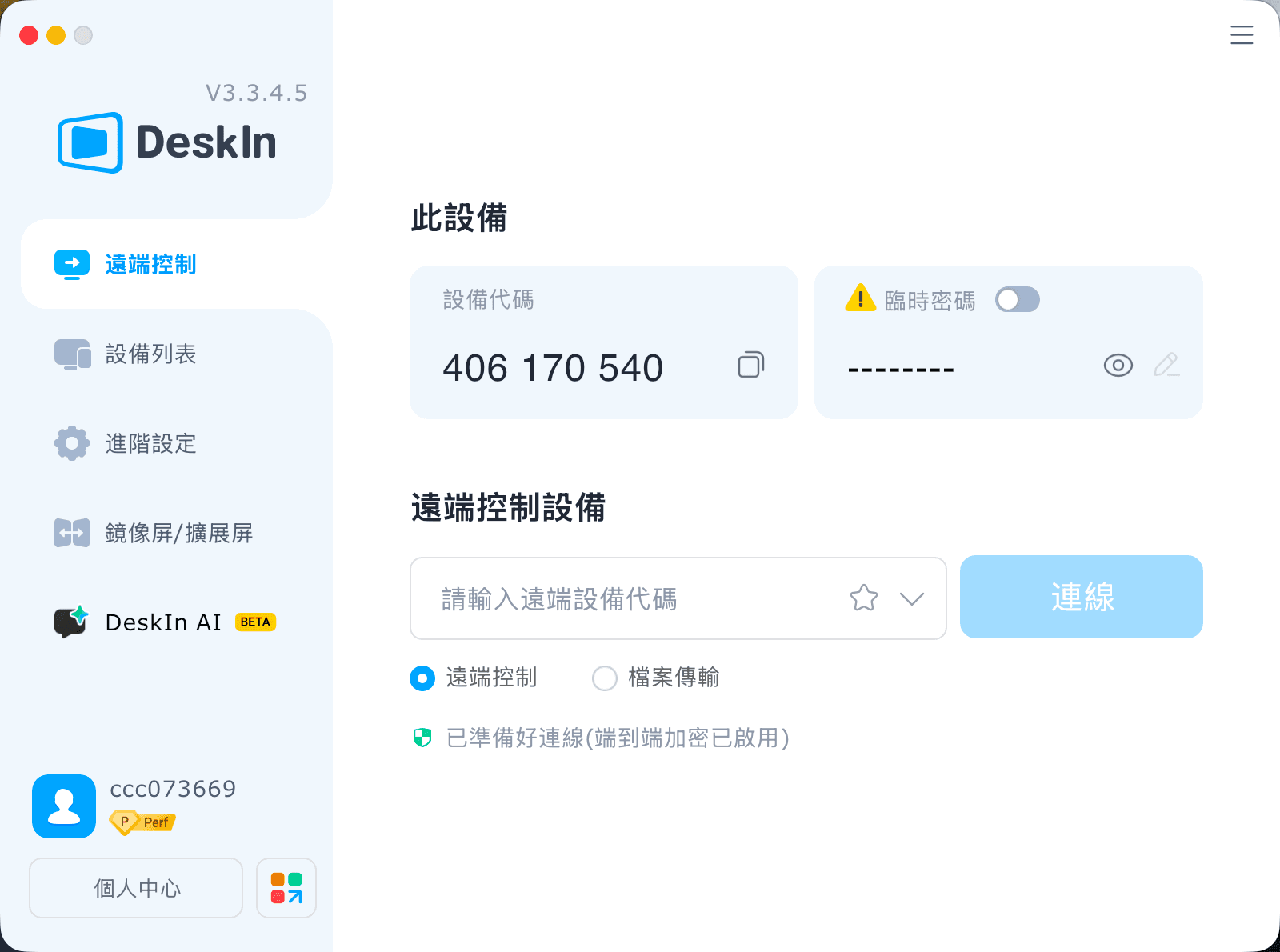
DeskIn 是一款功能強大的遠端桌面軟體,讓你可以輕鬆遙控遠端高效能電腦以及傳輸檔案。除了基本控制功能,它還內建螢幕延伸螢幕投影、語音通話、註解與剪貼簿共享等協作功能,特別適合需要高效視覺協作的分散團隊。

DeskIn 支援 Android、Windows、macOS 和 iOS 裝置,跨平台連線毫無障礙。全球部署 200 多個節點,支援最高 4K 畫質與低於 40ms 的延遲,確保操作流暢不卡頓。

安全性方面,DeskIn 採用 AES-256 加密技術,並支援密碼保護與遠端螢幕鎖定,讓資料傳輸與操作更安心。對於追求高效、跨平台又安全的遠端工作者來說,DeskIn 絕對是最佳選擇。

📥 立即下載 DeskIn

你可能感興趣:
用Mac遠端控制Windows PC的2個方法教學【2025最新】

如何串聯兩臺電腦?4個方式輕鬆實現傳檔、備份、共用螢幕

二、最佳的團隊通訊軟體 Microsoft Teams:一站式協作中樞

👍推薦對象:需要跨部門協作、多團隊管理、文件密集處理的企業

Microsoft Teams 不只是通訊軟體,它是一個數位辦公室。你可以即時傳訊、共享檔案、開啟視訊會議,甚至在通話中協作編輯同一份簡報。它還支援螢幕共享與會議記錄,大幅提升協作效率。

Teams 與 Microsoft 365 整合深入,能即時共編 Word、Excel 文件,同步顯示游標與變更。還能整合 Dropbox、Salesforce 等工具,減少切換應用程式的時間,讓團隊合作更流暢。

三、最佳專案管理工具 Hive:豐富看板和插件

👍推薦對象:需要多種專案視圖的團隊、按小時計費的接案工作者

Hive 是一款多功能遠端專案管理工具,支援看板、甘特圖、時間軸、表格與行事曆等多種視圖,讓你用最適合的方式追蹤進度。它還內建計時器,幫助記錄工時、簡化報表流程。

Hive 的插件功能豐富,例如 Analytics 插件可視覺化分析團隊瓶頸,提升整體效率。它還能與 GitHub、Teams、Zoom 等工具串接,讓你從任務中直接啟動會議或開啟其他工作項目。

四、最佳的時間追蹤軟體Toggl:高效時間分配

👍推薦對象:自由接案者、需追蹤團隊效率的主管、希望減少分心任務的遠端工作者

強大的專案管理工具有助於協調任務、聚焦團隊,提升整體生產力。Toggl 是一款操作簡便的時間管理工具,可在桌面、手機與瀏覽器中使用,一鍵啟動與停止計時,無需額外干擾。特別適合用來追蹤案子花費的實際時間。

Toggl 可將時間紀錄生成報表,助你洞察時間分配,有助於改善效率。它也支援與 Asana、Trello 等專案工具整合,讓你的時間記錄無縫接軌到工作流程中。

支援番茄工作法(Pomodoro Technique),有助於維持專注力與節奏。

五、最佳的績效追蹤軟體ActivTrak:以數據為基礎的工作效率追蹤

👍適合對象:需要改善效率與時間分配的遠端或混合團隊主管、人資管理者

除了控制工具,團隊還需要遠端管理平台來追蹤生產力與員工表現,以下推薦一款實用工具,ActivTrak 可提供深入的時間分析與應用使用偏好,協助管理者識別低效率成員或任務瓶頸,並據此進行優化與輔導。

介面直覺、部署簡單,並支援 Windows、macOS 及 Chrome 擴充插件。不過,設定初期需定義生產力指標,並不支援 OCR 螢幕辨識。

整體而言,ActivTrak 是兼顧隱私與績效監控的理想工具。

六、 Dropbox:安全高效的雲端檔案儲存與共享

👍推薦對象:需要頻繁傳輸大型檔案的團隊、跨裝置作業的接案者、重視檔案管理的人

Dropbox 是一款老牌雲端儲存工具,支援檔案跨裝置同步與協作。無論是文件、圖片、簡報都能隨時存取、編輯,避免重複發送多個版本。

你可以設定檔案為「僅檢視」或「可編輯」的分享權限,並透過 AES 加密確保資料安全。在行動裝置上也能快速查看或上傳備份檔案,是遠端工作環境中不可或缺的工具之一。

總結

選對遠端辦公軟體,是維持分散式團隊生產力協作效率管理可視化的關鍵。無論是遠端存取工具、員工監控系統、專案管理平台,還是溝通協作應用程式,每一類工具都在居家辦公的流程中扮演著不同的重要角色。只要你清楚團隊的需求,就能組建出一套可靠高效的遠端工作工具組合。

在這些工具中,DeskIn尤其值得推薦。它不僅支援安全遠端操控與檔案傳輸,還整合了螢幕延伸畫面投放白板協作語音通話畫面註記剪貼簿共享等強大功能,真正實現一站式遠端協作。無論是遠端支援、團隊合作,還是日常管理,DeskIn 都能提供現代遠端團隊所需的完整解決方案。

👉 馬上下載 DeskIn,讓你的工作流程更輕鬆、更高效!

分散式員工團隊已是趨勢,不同時區、不同地點的工作方式帶來彈性,但也放大了協作的難度——協作效率低落、溝通延遲、進度不同步,你是否也在分散式團隊工作中遇到過這些狀況:專案進展卡關、無法面對面討論資料傳來傳去很麻煩、團隊開會永遠時間喬不攏?

分散式團隊效率低?也許是你用錯了工具。本篇文章將介紹6款適用分散式團隊和遠端辦公的遠端協作與生產力工具,從遠端控制、任務管理到視訊會議,幫助你選出最適合自己團隊的工具組合,真正解決遠端辦公生產力難題,提升團隊管理效率。

遠端辦公軟體的主要類型有?如何挑選合適的?

分散式員工團隊的遠端工作管理沒有通用的解決方案——最適合的軟體取決於你團隊的需求。打造高效的遠端工作流程,應該整合多種功能軟體,如通訊、任務管理、生產力監控與安全訪問等。以下是一些常見的功能類型和遠端辦公協作軟體:

  • 即時通訊工具:如 Zoom、Teams 等,支援視訊會議、即時聊天與文件分享,讓溝通更即時。

  • 遠端桌面與虛擬工作空間:如 DeskIn,可讓你遠端操作辦公電腦,存取工作軟體與資料。

  • 專案協作工具:如 Hive、Asana 等,具備任務分配、進度追蹤與團隊協作空間。

  • 文件共享與檔案管理工具:如 Dropbox,可跨裝置傳輸檔案,確保最新版本同步。

  • 時間追蹤與生產力工具:如 Toggl,可統計工時並分析工作效率。

  • 安全與存取控制工具:如 VPN、密碼管理工具,協助保護機密資訊與存取權限。

透過這些類型的工具組合,你的分散式團隊也能保持高效、協作無礙且資料安全。在這麽多軟體中,以下小編整理出來的最推薦的適合分散式團隊和遠距辦公者的6款工具。

一、最佳的遠端桌面DeskIn:高效安全的遠端存取和協作

👍推薦對象:需要跨系統遠端操作高效能電腦的專業人士、提供視覺協作和技術支援的分散式團隊、跨國辦公或多裝置管理人群。

DeskIn 是一款功能強大的遠端桌面軟體,讓你可以輕鬆遙控遠端高效能電腦以及傳輸檔案。除了基本控制功能,它還內建螢幕延伸螢幕投影、語音通話、註解與剪貼簿共享等協作功能,特別適合需要高效視覺協作的分散團隊。

DeskIn 支援 Android、Windows、macOS 和 iOS 裝置,跨平台連線毫無障礙。全球部署 200 多個節點,支援最高 4K 畫質與低於 40ms 的延遲,確保操作流暢不卡頓。

安全性方面,DeskIn 採用 AES-256 加密技術,並支援密碼保護與遠端螢幕鎖定,讓資料傳輸與操作更安心。對於追求高效、跨平台又安全的遠端工作者來說,DeskIn 絕對是最佳選擇。

📥 立即下載 DeskIn

你可能感興趣:
用Mac遠端控制Windows PC的2個方法教學【2025最新】

如何串聯兩臺電腦?4個方式輕鬆實現傳檔、備份、共用螢幕

二、最佳的團隊通訊軟體 Microsoft Teams:一站式協作中樞

👍推薦對象:需要跨部門協作、多團隊管理、文件密集處理的企業

Microsoft Teams 不只是通訊軟體,它是一個數位辦公室。你可以即時傳訊、共享檔案、開啟視訊會議,甚至在通話中協作編輯同一份簡報。它還支援螢幕共享與會議記錄,大幅提升協作效率。

Teams 與 Microsoft 365 整合深入,能即時共編 Word、Excel 文件,同步顯示游標與變更。還能整合 Dropbox、Salesforce 等工具,減少切換應用程式的時間,讓團隊合作更流暢。

三、最佳專案管理工具 Hive:豐富看板和插件

👍推薦對象:需要多種專案視圖的團隊、按小時計費的接案工作者

Hive 是一款多功能遠端專案管理工具,支援看板、甘特圖、時間軸、表格與行事曆等多種視圖,讓你用最適合的方式追蹤進度。它還內建計時器,幫助記錄工時、簡化報表流程。

Hive 的插件功能豐富,例如 Analytics 插件可視覺化分析團隊瓶頸,提升整體效率。它還能與 GitHub、Teams、Zoom 等工具串接,讓你從任務中直接啟動會議或開啟其他工作項目。

四、最佳的時間追蹤軟體Toggl:高效時間分配

👍推薦對象:自由接案者、需追蹤團隊效率的主管、希望減少分心任務的遠端工作者

強大的專案管理工具有助於協調任務、聚焦團隊,提升整體生產力。Toggl 是一款操作簡便的時間管理工具,可在桌面、手機與瀏覽器中使用,一鍵啟動與停止計時,無需額外干擾。特別適合用來追蹤案子花費的實際時間。

Toggl 可將時間紀錄生成報表,助你洞察時間分配,有助於改善效率。它也支援與 Asana、Trello 等專案工具整合,讓你的時間記錄無縫接軌到工作流程中。

支援番茄工作法(Pomodoro Technique),有助於維持專注力與節奏。

五、最佳的績效追蹤軟體ActivTrak:以數據為基礎的工作效率追蹤

👍適合對象:需要改善效率與時間分配的遠端或混合團隊主管、人資管理者

除了控制工具,團隊還需要遠端管理平台來追蹤生產力與員工表現,以下推薦一款實用工具,ActivTrak 可提供深入的時間分析與應用使用偏好,協助管理者識別低效率成員或任務瓶頸,並據此進行優化與輔導。

介面直覺、部署簡單,並支援 Windows、macOS 及 Chrome 擴充插件。不過,設定初期需定義生產力指標,並不支援 OCR 螢幕辨識。

整體而言,ActivTrak 是兼顧隱私與績效監控的理想工具。

六、 Dropbox:安全高效的雲端檔案儲存與共享

👍推薦對象:需要頻繁傳輸大型檔案的團隊、跨裝置作業的接案者、重視檔案管理的人

Dropbox 是一款老牌雲端儲存工具,支援檔案跨裝置同步與協作。無論是文件、圖片、簡報都能隨時存取、編輯,避免重複發送多個版本。

你可以設定檔案為「僅檢視」或「可編輯」的分享權限,並透過 AES 加密確保資料安全。在行動裝置上也能快速查看或上傳備份檔案,是遠端工作環境中不可或缺的工具之一。

總結

選對遠端辦公軟體,是維持分散式團隊生產力協作效率管理可視化的關鍵。無論是遠端存取工具、員工監控系統、專案管理平台,還是溝通協作應用程式,每一類工具都在居家辦公的流程中扮演著不同的重要角色。只要你清楚團隊的需求,就能組建出一套可靠高效的遠端工作工具組合。

在這些工具中,DeskIn尤其值得推薦。它不僅支援安全遠端操控與檔案傳輸,還整合了螢幕延伸畫面投放白板協作語音通話畫面註記剪貼簿共享等強大功能,真正實現一站式遠端協作。無論是遠端支援、團隊合作,還是日常管理,DeskIn 都能提供現代遠端團隊所需的完整解決方案。

👉 馬上下載 DeskIn,讓你的工作流程更輕鬆、更高效!

分散式團隊效率低?6款遠端協作和辦公軟體幫你提升生產力!
deskin promo

What’s next?

How to Use AnyDesk Wake on LAN to Power On Your Remote PC

How to Use AnyDesk Wake on LAN to Power On Your Remote PC

If you want to remotely power on a sleeping computer, AnyDesk Wake on LAN can be a useful feature. It allows you to wake a device without physically pressing the power button, making remote work and system maintenance much easier.

In this guide, we'll walk through how to configure AnyDesk Wake on LAN step by step, including BIOS settings, operating system configuration, and AnyDesk options. While the process works well when everything is configured correctly, it can also involve several technical steps. That's why we'll also introduce DeskIn, a simpler and more streamlined alternative for remote access and Wake on LAN. Keep reading to learn both approaches.

What Is Wake on LAN and Why Do You Need It?

Wake on LAN is a networking feature that allows a device to be powered on remotely through a special network signal known as a "magic packet." When the sleeping computer's network card receives this packet, it sends a signal to the motherboard to start the system.

The main benefit of Wake on LAN is convenience and energy efficiency. Instead of keeping a computer running all day, you can leave it in sleep or shutdown mode and wake it only when needed. This saves electricity and extends hardware lifespan.

Another advantage is accessibility. Whether you're working from home, performing remote maintenance, or managing servers, Wake on LAN ensures devices remain reachable even when they are powered down. IT teams often rely on this capability to troubleshoot systems or perform updates without being physically present.

How to Set Up AnyDesk Wake on LAN Step by Step

Configuring AnyDesk Wake on LAN involves preparing the hardware, enabling settings in your operating system, and activating the feature in AnyDesk itself. The steps below will guide you through the process.

Step 1. Enable Wake on LAN in BIOS or UEFI

The first requirement is enabling Wake on LAN at the motherboard level.

  1. Restart your computer.

  2. Enter the BIOS or UEFI menu during startup (usually by pressing F2, DEL, or F10).

  3. Open the Power Management section.

  4. Locate a setting such as Wake on LAN, Power on by PCI-E, or similar.

  5. Enable the option.

  6. Save changes and exit the BIOS.

This step ensures the motherboard will allow network signals to power the system on.

Enable Wake on LAN in BIOS settings

Step 2. Configure the Network Adapter in Windows

Next, you need to allow the network card to receive wake signals.

  1. Open Device Manager.

  2. Expand Network Adapters.

  3. Right-click your Ethernet adapter and select Properties.

  4. Go to the Advanced tab and enable Wake on Magic Packet.

  5. Open the Power Management tab.

  6. Check Allow this device to wake the computer.

  7. Also, enable Only allow a magic packet to wake the computer.

For users running AnyDesk Wake on LAN on Windows 11 or older systems, these steps are essentially the same.

Enable Wake on Magic Packet in network adapter setting

Step 3. Disable Fast Startup (Optional but Recommended)

Some Windows systems block network wake signals due to the fast startup feature.

To disable it:

  1. Open Control Panel.

  2. Go to Power Options.

  3. Click Choose what the power buttons do.

  4. Select Change settings that are currently unavailable.

  5. Uncheck Turn on fast startup.

This step often fixes situations where AnyDesk Wake on LAN is not working even though the configuration appears correct.

Step 4. Enable Wake on LAN Inside AnyDesk

Now configure the feature inside the AnyDesk client.

  1. Open AnyDesk on the target computer.

  2. Go to Settings.

  3. Navigate to the Wake-on-LAN option.

  4. Enable Allow Wake-on-LAN.

  5. Ensure another AnyDesk device on the same network remains online.

When you try to connect to the sleeping device, AnyDesk will show a "Power On" option.

AnyDesk Power On button to trigger Wake on LAN

Step 5. Wake the Device Remotely

After completing the setup:

  1. Open AnyDesk on your remote device.

  2. Enter the address of the sleeping computer.

  3. Click Power On.

AnyDesk will locate another active device on the same network and ask it to send the wake packet.

This process is how Wake on LAN AnyDesk functions behind the scenes. If everything is configured correctly, the sleeping machine will start, and AnyDesk will automatically connect.

Troubleshooting Common Wake Issues

Sometimes you may see errors such as AnyDesk Wake on LAN no device found. This usually means there is no active device on the same network to send the magic packet. Another frequent issue is that AnyDesk Wake on LAN not working due to Wi-Fi limitations. Wake signals are most reliable over wired Ethernet connections.

If troubleshooting becomes too time-consuming, many users choose tools designed to simplify remote desktop Wake on LAN workflows.

[Bonus] Why DeskIn Is a Smarter Choice

While AnyDesk provides Wake on LAN functionality, the setup process can be technical. Users often need to adjust BIOS settings, network adapters, and device configurations before the feature works properly.

DeskIn focuses on making remote access simpler and more reliable. First, the setup process is easier. Devices linked to the same DeskIn account can be managed quickly without complex network configuration or troubleshooting steps. Second, DeskIn delivers excellent performance for remote connections. It supports high-resolution sessions, smooth frame rates, and stable connections even when accessing powerful workstations remotely. Third, DeskIn integrates device management, remote access, and connectivity tools into one platform. Instead of relying on multiple Wake on LAN software tools, users can manage everything from a single interface.

For professionals who frequently need remote access, DeskIn provides a faster and more predictable experience.

👀 You may also be interested in


FAQs About AnyDesk Wake on LAN

1. Can AnyDesk do Wake-on-LAN?

Yes. AnyDesk supports Wake on LAN as long as the hardware, operating system, and application settings are configured properly. Another device on the same network must remain active to send the wake signal.

2. How do I enable remote Wake-on-LAN?

You must enable Wake on LAN in three places: the BIOS or UEFI firmware, the operating system's network adapter settings, and the AnyDesk client configuration. Once enabled, you can wake a sleeping device remotely.

3. How does Wake on LAN work?

Wake on LAN works by sending a "magic packet" containing the device's MAC address through the network. The network card receives the packet and signals the motherboard to power the system.

H3: 4. Does Wake-on-LAN work if the computer is off?

Yes, but only if the system supports Wake on LAN from the shutdown state and still receives standby power through the network adapter. For smoother remote control workflows, many users adopt tools like DeskIn.

Conclusion

Setting up AnyDesk Wake on LAN allows you to power on a remote computer without physically accessing it. By enabling BIOS settings, configuring the network adapter, and activating the feature inside AnyDesk, you can wake sleeping machines and connect instantly.

However, the setup process can sometimes be complicated, especially when dealing with hardware compatibility or network configuration issues. If you prefer a simpler and more reliable remote access experience, DeskIn provides an excellent alternative.

With streamlined device management, stable remote sessions, and easier setup, DeskIn helps you stay connected to your computers anytime while still benefiting from the power of Wake on LAN.

TeamViewer Wake on Lan Complete Guide

How to Set Up TeamViewer Wake on LAN (Step-by-Step Complete Guide)

Turning on your computer remotely can save time, energy, and frustration. Many users rely on TeamViewer Wake on LAN to start a sleeping computer without physically pressing the power button. Whether you want to access your office PC from home or wake a server in another room, Wake on LAN makes remote work much easier.

In this guide, we'll walk through how to configure TeamViewer Wake on LAN step by step. We'll also introduce DeskIn, a simpler remote access solution that can make remote wake and control smoother and more reliable. If you've ever struggled with complicated configuration or TeamViewer Wake on LAN not working, keep reading to discover an easier approach.

What Is Wake on LAN and How Does It Work?

Wake on LAN (WoL) is a network technology that allows a computer to power on or wake from sleep when it receives a special network signal called a "magic packet." This packet is sent through the network to the computer's network interface card, which remains partially active even when the system is powered down.

When configured correctly, tools like TeamViewer send that packet from another device on the same network or through the internet. The target computer's motherboard and network adapter detect the signal and trigger the system to start up.

This process is often used for remote work, server management, or accessing a home PC while traveling. Many people combine remote desktop Wake on LAN features with remote control software so they can both power on and operate their computer from anywhere.

How to Set Up TeamViewer Wake on LAN

Setting up TeamViewer Wake on LAN involves configuring your hardware, operating system, and TeamViewer settings. Follow the steps below carefully to ensure everything works properly.

Step 1. Enable Wake on LAN in BIOS or UEFI

First, you need to activate Wake on LAN at the hardware level. Restart your computer and enter the BIOS or UEFI setup menu. This is usually done by pressing keys like F2, F12, Delete, or Esc during startup. Inside the BIOS interface, navigate to the Power Management section.

Look for an option such as Wake on LAN, Power On by PCI-E, or Resume by LAN and enable it. Save the settings and exit the BIOS. Without this configuration, no Wake on LAN software will be able to power on your computer remotely.

Enable Wake on LAN in BIOS

Step 2. Configure the Network Adapter

Next, you need to allow your network adapter to receive wake signals. Open Device Manager and locate your network adapter under the Network Adapters category. Right-click the adapter and open its Properties panel.

Configure the Network Adapter

In the Power Management tab, enable the option allowing the device to wake the computer. In the Advanced settings, ensure Wake on Magic Packet is enabled. These steps are essential for both Wake on LAN Windows 10 and Windows 11 configurations. If your adapter does not support WoL, the feature will not work.

Step 3. Disable Fast Startup in Windows

Windows Fast Startup can sometimes interfere with WoL signals. Open Control Panel, go to Power Options, and locate the settings for what the power button does. From there, disable the fast startup feature and save your changes. This small adjustment often fixes problems when Wake on LAN Windows 11 or older Windows versions fail to respond to wake requests.

If these configuration steps start to feel complex, this is where DeskIn stands out. DeskIn integrates remote wake and remote access into a more streamlined workflow with fewer configuration hurdles.

Step 4. Install TeamViewer and Assign the Device

To use TeamViewer Wake on LAN, your computer must be linked to your TeamViewer account. Install the TeamViewer Host application on the computer you want to wake remotely. After installation, sign in and assign the device to your TeamViewer account. Once the computer appears in your device list, you will be able to configure wake options and manage the device remotely.

install TeamViewer

Step 5. Configure Wake on LAN in TeamViewer

Now you can configure the WoL settings inside TeamViewer. Open the application settings. Under the Device menu, go to Network, click Wake-on-LAN, click "Other TeamViewer within your local network", enter the TeamViewer ID of the device waking up the remote computer, click "Add...", and confirm by clicking "OK".

Configure Wake on LAN in TeamViewer

Step 6. Wake the Computer Remotely

After configuration, open your TeamViewer device list. Locate the offline computer and select the option to wake it. TeamViewer will send a magic packet through the network and start the remote computer. This method works on different systems, including TeamViewer Wake on LAN Mac, although Mac devices typically only wake from sleep mode rather than from a full shutdown.

If the device does not wake up, the issue may relate to network configuration, router settings, or incorrect BIOS settings. Many users searching for Wake on LAN not working run into these common problems.

[Bonus] Why DeskIn Is a Better Choice

Best Wake on LAN Software DeskIn

While TeamViewer Wake on LAN works for many users, the setup process can be complicated. BIOS configuration, network adapter settings, and router port forwarding can make the process frustrating.

DeskIn offers a more streamlined approach for Wake on LAN and device management. Instead of juggling multiple configuration layers, DeskIn focuses on simplicity and reliability. Once your devices are connected to the same account, you can quickly access and manage them from anywhere without dealing with complicated networking rules. Another advantage is performance. DeskIn supports high-resolution remote sessions with smooth frame delivery, making it suitable not only for office work but also for creative tasks and high-performance workflows. This means you can wake your device, connect instantly, and continue working without interruptions.

DeskIn also integrates device management and remote control into one unified platform. Instead of using separate tools for wake, connection, and control, everything is handled in one place, which reduces troubleshooting time and improves reliability for daily remote work. If you frequently rely on remote desktop Wake on LAN functionality, DeskIn can provide a smoother and more predictable experience compared to traditional setups.

Want to see a detailed DeskIn walkthrough? Read our complete guide on setting up Wake on LAN.

👀 You may also be interested in:

FAQs about TeamViewer Wake on LAN

1. How to Wake-on-LAN with TeamViewer?

To use Wake on LAN with TeamViewer, you must enable Wake on LAN in BIOS, configure the network adapter, install TeamViewer Host, and set up the WoL settings in the application.

2. Is TeamViewer Wake on LAN free?

Many users ask if TeamViewer Wake on LAN is free. The feature is available in TeamViewer, but commercial usage may require a paid license depending on how the software is used.

3. How do I enable remote Wake-on-LAN?

To enable remote wake functionality, the target computer must support Wake on LAN, be connected via Ethernet, and have WoL activated in both hardware and operating system settings.

4. What if TeamViewer Wake on LAN is not working?

If TeamViewer Wake on LAN is not working, check BIOS settings, network adapter configuration, router port forwarding, and Windows power settings. If the process becomes too complicated, solutions like DeskIn provide simpler remote access alternatives.

Conclusion

Setting up TeamViewer Wake on LAN allows you to power on your computer remotely and access it whenever needed. By enabling Wake on LAN in BIOS, configuring your network adapter, and linking the device to TeamViewer, you can wake your PC from another device across the network.

However, the configuration process can sometimes be complex, especially when dealing with router settings or troubleshooting wake failures. If you want a more streamlined remote access experience, DeskIn offers a powerful alternative with smoother connectivity and easier device management. With DeskIn, you can spend less time configuring systems and more time getting work done remotely.

Chrome Remote Desktop and setup guide

How to Set Up & Use Chrome Remote Desktop: Complete Beginner's Guide | DeskIn Japan

This article walks through the basic setup and features of Chrome Remote Desktop (CRD), Google's free remote access tool — explained clearly for first-time users.

CRD is free, simple to configure, and integrates smoothly with your existing Google account and Chrome browser. It works across Windows, Mac, and smartphones, making it easy to get started with remote access from virtually any device.

For everyday personal use and one-off remote support sessions, it's an excellent option — though its features are limited to "Remote Access" and "Remote Support." For more advanced requirements — 4K display quality, low latency, or stable connections inside Japanese corporate networks — a professional-grade tool like DeskIn is worth considering.


Introduction

What Is Chrome Remote Desktop?

Chrome Remote Desktop (CRD) is a free remote access tool developed by Google. All you need is the Chrome browser and a Google account to remotely control another PC over the internet, from anywhere. No additional hardware is required, making it one of the most accessible ways to get started with remote desktop access.

Why Remote Desktop Is Useful in Japan

Hybrid work has become a fixture across Japan's working culture. Many companies — especially in Tokyo and other major cities — now expect employees to split their time between the office and home. Students, too, often find themselves needing access to files or software left behind on a home PC. And for those who have just joined the workforce as shinshakajin (新社会人 — literally "new members of society," the term for fresh graduates entering their first job, typically in April when Japan's fiscal and academic year begins), juggling unfamiliar tools across multiple environments can be genuinely stressful. Chrome Remote Desktop offers a practical, low-barrier solution for all of these situations.

Recommended Reads:
Which One Is Better, Chrome Remote Desktop Or Microsoft Remote Desktop?

Chrome Remote Desktop's Two Core Features

  1. Remote Access — Connect to Your Own Devices, Anytime

The "Remote Access" feature lets you connect to your home or office PC from any location, at any time. Once the host machine is configured, you can control it remotely as long as it's powered on — even if no one is sitting in front of it. This is ideal for pulling up a file you left on your home PC while you're at school or the office, or for using your full desktop environment from a laptop while you're out.

  1. Remote Support — Temporary Screen Sharing for Troubleshooting

The "Remote Support" feature is built for one-off, temporary sessions. By sharing a connection code, you can let someone else view or control your screen — or do the same for them — without exchanging account credentials. It's a clean and simple way to help a classmate, colleague, or family member work through a technical issue remotely.

Chrome Remote Desktop is designed specifically around these two functions. That focused scope makes it particularly easy to pick up, even if you've never used a remote desktop tool before.

Chrome Remote Desktop feature switching

What You'll Need Before Getting Started

A Google Account

A Google account is required. If you don't already have one, register before you begin. If you're already using Gmail or Google Drive, that same account will work here.

Google Chrome Browser

CRD runs inside the Chrome browser, so Chrome needs to be installed on both the host (the PC you want to access remotely) and the client (the device you're connecting from). Chrome can be installed alongside any other browser without conflict.

A Stable Internet Connection

Remote desktop transmits live screen data over the internet, so a reliable connection on both ends matters. If your Wi-Fi is inconsistent, a wired connection will generally produce a much smoother experience.

Step-by-Step Setup Guide

Setting Up the Host PC (the Computer You Want to Control)

Start by configuring Chrome Remote Desktop on the machine you'll be accessing remotely.

  1. Open Google Chrome and navigate to the Chrome Remote Desktop page.

  2. Follow the on-screen prompts to add the extension and complete the installation.

Chrome Remote Desktop addition and installation procedure
  1. Enable "Remote Access" and follow the steps to set a PIN code of at least six digits.

  2. Once setup is complete, this PC will appear in your list of remotely accessible devices.

Connecting from the Client Device (the Device You're Using to Connect)

Next, prepare the device you'll be connecting from.

  1. Log into Chrome with the same Google account and open the Chrome Remote Desktop page.

  2. Select the host PC from your device list.

Chrome Remote Desktop device connection screen
  1. If connecting from a smartphone or tablet, download the dedicated iOS or Android app and select your target PC from within the app.

Authenticating with Your PIN Code

After selecting the host PC, you'll be prompted to enter your PIN to verify the connection.

  1. Enter the PIN you created during setup on the client device.

  2. Once authenticated, the host PC's screen will appear on your device and you'll be able to control it with your mouse and keyboard.

  3. The connection is encrypted and can be ended at any time.

Tips for Getting More Out of CRD

Make the Most of Keyboard Shortcuts

Using keyboard shortcuts deliberately can make a real difference to your efficiency in a remote session. This is especially worth thinking about if you're switching between Windows and Mac, where key behaviour differs — particularly around:

  • The difference between the Ctrl and Cmd keys

  • Full-screen toggling and window switching

Familiarising yourself with these basics in advance will help things feel more natural. If shortcuts are being captured by your local device instead of reaching the remote machine, check the settings for an option like "Send all keyboard input to remote" — this is usually the fix.

Using CRD on Mobile: What to Expect

The mobile experience differs quite a bit from working on a desktop. Chrome Remote Desktop's mobile app is built around touch controls:

  • Swipe to move the mouse cursor

  • Pinch to zoom in or out

  • Toolbar at the bottom of the screen to access the keyboard and menu

Precise input — longer text entry, drag-and-drop, clicking small targets — is slower and more effortful on mobile than on a PC. In practice, mobile access works best for quick checks and light tasks. For anything more involved, a laptop or desktop will serve you much better.

Chrome Remote Desktop smartphone operation image

The Limitations of Chrome Remote Desktop

Simplicity Has Its Ceiling

Chrome Remote Desktop is, at its core, a tool built for "Remote Access" and "Remote Support" — nothing more. That focus is part of what makes it easy to use, but it also means that more specialised requirements hit a wall fast. If you need to transfer large files quickly, manage multiple users or devices, or keep detailed logs of remote sessions, you'll find CRD doesn't have the tools for the job.

Instability Inside Japanese Corporate Networks

Many Japanese companies — particularly larger organisations — maintain strict internal network environments managed by their IT departments (joho shisutemu-bu, 情報システム部). Firewalls, proxy settings, and restrictions on Google services are common, particularly in finance, manufacturing, and government-adjacent industries. In these environments, Chrome Remote Desktop connections can become unreliable, suffer significant lag, or fail entirely.

If you've started a new job in Japan and found that CRD simply won't connect from the office network, this is almost certainly why.

Network latency and firewall restrictions image

Dependency on Your Google Account

Because CRD is tied to a Google account, any disruption to that account — a forgotten password, an account lock, or a multi-factor authentication hiccup — directly affects your ability to access remote machines. For personal use this is manageable, but for anything business-critical, it's a meaningful single point of failure.

Ready for More? Meet DeskIn — A Professional Remote Desktop Solution

The Natural Next Step Up from CRD

Chrome Remote Desktop is a solid starting point, but as remote work needs become more regular and more demanding, many users find themselves running up against its limits. For those who need a more robust, feature-rich tool suited to daily professional use, DeskIn is the obvious step up.

Built to Handle Japan's Corporate Network Environments

DeskIn is engineered for stability in complex network setups — including the kind of strict firewalls and proxy configurations common in Japanese corporate IT infrastructure. Where CRD struggles in these environments, DeskIn is designed to maintain consistent, low-latency connections even under restrictive conditions.

Image comparison of image quality between Chrome Remote Desktop and Deskin

Professional Performance and an Intuitive Workflow

DeskIn supports 4K display quality and ultra-low-latency response, with a dedicated desktop client that isn't dependent on a browser. For creative work, detailed tasks, or simply getting through a full working day remotely without friction, this level of performance makes a tangible difference. 

→ Try DeskIn for free and explore what's possible

Summary

Chrome Remote Desktop is a free, easy-to-use tool that works well for personal use, occasional remote access, and basic screen sharing. If you're new to remote desktop tools — or if you just need a quick, no-cost way to access your own PC remotely — CRD is a perfectly reasonable place to start.

For day-to-day professional use in Japan, however, particularly within corporate network environments or when you need reliable performance and high display quality, CRD will likely fall short. In those cases, transitioning to or pairing CRD with a tool like DeskIn will give you a remote setup that's genuinely fit for purpose.

Recommended Reads:
9 Benefits of Remote Access & Best Practices for Modern Life

How to Use AnyDesk Wake on LAN to Power On Your Remote PC

How to Use AnyDesk Wake on LAN to Power On Your Remote PC

If you want to remotely power on a sleeping computer, AnyDesk Wake on LAN can be a useful feature. It allows you to wake a device without physically pressing the power button, making remote work and system maintenance much easier.

In this guide, we'll walk through how to configure AnyDesk Wake on LAN step by step, including BIOS settings, operating system configuration, and AnyDesk options. While the process works well when everything is configured correctly, it can also involve several technical steps. That's why we'll also introduce DeskIn, a simpler and more streamlined alternative for remote access and Wake on LAN. Keep reading to learn both approaches.

What Is Wake on LAN and Why Do You Need It?

Wake on LAN is a networking feature that allows a device to be powered on remotely through a special network signal known as a "magic packet." When the sleeping computer's network card receives this packet, it sends a signal to the motherboard to start the system.

The main benefit of Wake on LAN is convenience and energy efficiency. Instead of keeping a computer running all day, you can leave it in sleep or shutdown mode and wake it only when needed. This saves electricity and extends hardware lifespan.

Another advantage is accessibility. Whether you're working from home, performing remote maintenance, or managing servers, Wake on LAN ensures devices remain reachable even when they are powered down. IT teams often rely on this capability to troubleshoot systems or perform updates without being physically present.

How to Set Up AnyDesk Wake on LAN Step by Step

Configuring AnyDesk Wake on LAN involves preparing the hardware, enabling settings in your operating system, and activating the feature in AnyDesk itself. The steps below will guide you through the process.

Step 1. Enable Wake on LAN in BIOS or UEFI

The first requirement is enabling Wake on LAN at the motherboard level.

  1. Restart your computer.

  2. Enter the BIOS or UEFI menu during startup (usually by pressing F2, DEL, or F10).

  3. Open the Power Management section.

  4. Locate a setting such as Wake on LAN, Power on by PCI-E, or similar.

  5. Enable the option.

  6. Save changes and exit the BIOS.

This step ensures the motherboard will allow network signals to power the system on.

Enable Wake on LAN in BIOS settings

Step 2. Configure the Network Adapter in Windows

Next, you need to allow the network card to receive wake signals.

  1. Open Device Manager.

  2. Expand Network Adapters.

  3. Right-click your Ethernet adapter and select Properties.

  4. Go to the Advanced tab and enable Wake on Magic Packet.

  5. Open the Power Management tab.

  6. Check Allow this device to wake the computer.

  7. Also, enable Only allow a magic packet to wake the computer.

For users running AnyDesk Wake on LAN on Windows 11 or older systems, these steps are essentially the same.

Enable Wake on Magic Packet in network adapter setting

Step 3. Disable Fast Startup (Optional but Recommended)

Some Windows systems block network wake signals due to the fast startup feature.

To disable it:

  1. Open Control Panel.

  2. Go to Power Options.

  3. Click Choose what the power buttons do.

  4. Select Change settings that are currently unavailable.

  5. Uncheck Turn on fast startup.

This step often fixes situations where AnyDesk Wake on LAN is not working even though the configuration appears correct.

Step 4. Enable Wake on LAN Inside AnyDesk

Now configure the feature inside the AnyDesk client.

  1. Open AnyDesk on the target computer.

  2. Go to Settings.

  3. Navigate to the Wake-on-LAN option.

  4. Enable Allow Wake-on-LAN.

  5. Ensure another AnyDesk device on the same network remains online.

When you try to connect to the sleeping device, AnyDesk will show a "Power On" option.

AnyDesk Power On button to trigger Wake on LAN

Step 5. Wake the Device Remotely

After completing the setup:

  1. Open AnyDesk on your remote device.

  2. Enter the address of the sleeping computer.

  3. Click Power On.

AnyDesk will locate another active device on the same network and ask it to send the wake packet.

This process is how Wake on LAN AnyDesk functions behind the scenes. If everything is configured correctly, the sleeping machine will start, and AnyDesk will automatically connect.

Troubleshooting Common Wake Issues

Sometimes you may see errors such as AnyDesk Wake on LAN no device found. This usually means there is no active device on the same network to send the magic packet. Another frequent issue is that AnyDesk Wake on LAN not working due to Wi-Fi limitations. Wake signals are most reliable over wired Ethernet connections.

If troubleshooting becomes too time-consuming, many users choose tools designed to simplify remote desktop Wake on LAN workflows.

[Bonus] Why DeskIn Is a Smarter Choice

While AnyDesk provides Wake on LAN functionality, the setup process can be technical. Users often need to adjust BIOS settings, network adapters, and device configurations before the feature works properly.

DeskIn focuses on making remote access simpler and more reliable. First, the setup process is easier. Devices linked to the same DeskIn account can be managed quickly without complex network configuration or troubleshooting steps. Second, DeskIn delivers excellent performance for remote connections. It supports high-resolution sessions, smooth frame rates, and stable connections even when accessing powerful workstations remotely. Third, DeskIn integrates device management, remote access, and connectivity tools into one platform. Instead of relying on multiple Wake on LAN software tools, users can manage everything from a single interface.

For professionals who frequently need remote access, DeskIn provides a faster and more predictable experience.

👀 You may also be interested in


FAQs About AnyDesk Wake on LAN

1. Can AnyDesk do Wake-on-LAN?

Yes. AnyDesk supports Wake on LAN as long as the hardware, operating system, and application settings are configured properly. Another device on the same network must remain active to send the wake signal.

2. How do I enable remote Wake-on-LAN?

You must enable Wake on LAN in three places: the BIOS or UEFI firmware, the operating system's network adapter settings, and the AnyDesk client configuration. Once enabled, you can wake a sleeping device remotely.

3. How does Wake on LAN work?

Wake on LAN works by sending a "magic packet" containing the device's MAC address through the network. The network card receives the packet and signals the motherboard to power the system.

H3: 4. Does Wake-on-LAN work if the computer is off?

Yes, but only if the system supports Wake on LAN from the shutdown state and still receives standby power through the network adapter. For smoother remote control workflows, many users adopt tools like DeskIn.

Conclusion

Setting up AnyDesk Wake on LAN allows you to power on a remote computer without physically accessing it. By enabling BIOS settings, configuring the network adapter, and activating the feature inside AnyDesk, you can wake sleeping machines and connect instantly.

However, the setup process can sometimes be complicated, especially when dealing with hardware compatibility or network configuration issues. If you prefer a simpler and more reliable remote access experience, DeskIn provides an excellent alternative.

With streamlined device management, stable remote sessions, and easier setup, DeskIn helps you stay connected to your computers anytime while still benefiting from the power of Wake on LAN.

TeamViewer Wake on Lan Complete Guide

How to Set Up TeamViewer Wake on LAN (Step-by-Step Complete Guide)

Turning on your computer remotely can save time, energy, and frustration. Many users rely on TeamViewer Wake on LAN to start a sleeping computer without physically pressing the power button. Whether you want to access your office PC from home or wake a server in another room, Wake on LAN makes remote work much easier.

In this guide, we'll walk through how to configure TeamViewer Wake on LAN step by step. We'll also introduce DeskIn, a simpler remote access solution that can make remote wake and control smoother and more reliable. If you've ever struggled with complicated configuration or TeamViewer Wake on LAN not working, keep reading to discover an easier approach.

What Is Wake on LAN and How Does It Work?

Wake on LAN (WoL) is a network technology that allows a computer to power on or wake from sleep when it receives a special network signal called a "magic packet." This packet is sent through the network to the computer's network interface card, which remains partially active even when the system is powered down.

When configured correctly, tools like TeamViewer send that packet from another device on the same network or through the internet. The target computer's motherboard and network adapter detect the signal and trigger the system to start up.

This process is often used for remote work, server management, or accessing a home PC while traveling. Many people combine remote desktop Wake on LAN features with remote control software so they can both power on and operate their computer from anywhere.

How to Set Up TeamViewer Wake on LAN

Setting up TeamViewer Wake on LAN involves configuring your hardware, operating system, and TeamViewer settings. Follow the steps below carefully to ensure everything works properly.

Step 1. Enable Wake on LAN in BIOS or UEFI

First, you need to activate Wake on LAN at the hardware level. Restart your computer and enter the BIOS or UEFI setup menu. This is usually done by pressing keys like F2, F12, Delete, or Esc during startup. Inside the BIOS interface, navigate to the Power Management section.

Look for an option such as Wake on LAN, Power On by PCI-E, or Resume by LAN and enable it. Save the settings and exit the BIOS. Without this configuration, no Wake on LAN software will be able to power on your computer remotely.

Enable Wake on LAN in BIOS

Step 2. Configure the Network Adapter

Next, you need to allow your network adapter to receive wake signals. Open Device Manager and locate your network adapter under the Network Adapters category. Right-click the adapter and open its Properties panel.

Configure the Network Adapter

In the Power Management tab, enable the option allowing the device to wake the computer. In the Advanced settings, ensure Wake on Magic Packet is enabled. These steps are essential for both Wake on LAN Windows 10 and Windows 11 configurations. If your adapter does not support WoL, the feature will not work.

Step 3. Disable Fast Startup in Windows

Windows Fast Startup can sometimes interfere with WoL signals. Open Control Panel, go to Power Options, and locate the settings for what the power button does. From there, disable the fast startup feature and save your changes. This small adjustment often fixes problems when Wake on LAN Windows 11 or older Windows versions fail to respond to wake requests.

If these configuration steps start to feel complex, this is where DeskIn stands out. DeskIn integrates remote wake and remote access into a more streamlined workflow with fewer configuration hurdles.

Step 4. Install TeamViewer and Assign the Device

To use TeamViewer Wake on LAN, your computer must be linked to your TeamViewer account. Install the TeamViewer Host application on the computer you want to wake remotely. After installation, sign in and assign the device to your TeamViewer account. Once the computer appears in your device list, you will be able to configure wake options and manage the device remotely.

install TeamViewer

Step 5. Configure Wake on LAN in TeamViewer

Now you can configure the WoL settings inside TeamViewer. Open the application settings. Under the Device menu, go to Network, click Wake-on-LAN, click "Other TeamViewer within your local network", enter the TeamViewer ID of the device waking up the remote computer, click "Add...", and confirm by clicking "OK".

Configure Wake on LAN in TeamViewer

Step 6. Wake the Computer Remotely

After configuration, open your TeamViewer device list. Locate the offline computer and select the option to wake it. TeamViewer will send a magic packet through the network and start the remote computer. This method works on different systems, including TeamViewer Wake on LAN Mac, although Mac devices typically only wake from sleep mode rather than from a full shutdown.

If the device does not wake up, the issue may relate to network configuration, router settings, or incorrect BIOS settings. Many users searching for Wake on LAN not working run into these common problems.

[Bonus] Why DeskIn Is a Better Choice

Best Wake on LAN Software DeskIn

While TeamViewer Wake on LAN works for many users, the setup process can be complicated. BIOS configuration, network adapter settings, and router port forwarding can make the process frustrating.

DeskIn offers a more streamlined approach for Wake on LAN and device management. Instead of juggling multiple configuration layers, DeskIn focuses on simplicity and reliability. Once your devices are connected to the same account, you can quickly access and manage them from anywhere without dealing with complicated networking rules. Another advantage is performance. DeskIn supports high-resolution remote sessions with smooth frame delivery, making it suitable not only for office work but also for creative tasks and high-performance workflows. This means you can wake your device, connect instantly, and continue working without interruptions.

DeskIn also integrates device management and remote control into one unified platform. Instead of using separate tools for wake, connection, and control, everything is handled in one place, which reduces troubleshooting time and improves reliability for daily remote work. If you frequently rely on remote desktop Wake on LAN functionality, DeskIn can provide a smoother and more predictable experience compared to traditional setups.

Want to see a detailed DeskIn walkthrough? Read our complete guide on setting up Wake on LAN.

👀 You may also be interested in:

FAQs about TeamViewer Wake on LAN

1. How to Wake-on-LAN with TeamViewer?

To use Wake on LAN with TeamViewer, you must enable Wake on LAN in BIOS, configure the network adapter, install TeamViewer Host, and set up the WoL settings in the application.

2. Is TeamViewer Wake on LAN free?

Many users ask if TeamViewer Wake on LAN is free. The feature is available in TeamViewer, but commercial usage may require a paid license depending on how the software is used.

3. How do I enable remote Wake-on-LAN?

To enable remote wake functionality, the target computer must support Wake on LAN, be connected via Ethernet, and have WoL activated in both hardware and operating system settings.

4. What if TeamViewer Wake on LAN is not working?

If TeamViewer Wake on LAN is not working, check BIOS settings, network adapter configuration, router port forwarding, and Windows power settings. If the process becomes too complicated, solutions like DeskIn provide simpler remote access alternatives.

Conclusion

Setting up TeamViewer Wake on LAN allows you to power on your computer remotely and access it whenever needed. By enabling Wake on LAN in BIOS, configuring your network adapter, and linking the device to TeamViewer, you can wake your PC from another device across the network.

However, the configuration process can sometimes be complex, especially when dealing with router settings or troubleshooting wake failures. If you want a more streamlined remote access experience, DeskIn offers a powerful alternative with smoother connectivity and easier device management. With DeskIn, you can spend less time configuring systems and more time getting work done remotely.

專業、穩定、安全。

專業、穩定、安全。

聯絡我們

電子郵件: support@deskin.io

總部: 991D Alexandra Road #02-17, Singapore 119972

版權所有 © 2026 Zuler Technology PTE. LTD. 保留所有權利。

版權所有 © 2026 Zuler Technology PTE. LTD. 保留所有權利。

聯絡我們

電子郵件: support@deskin.io

總部: 991D Alexandra Road #02-17, Singapore 119972

版權所有 © 2026 Zuler Technology PTE. LTD. 保留所有權利。