iPhone/Android 老人模式設定教學,讓長輩輕鬆上手智慧手機

DeskIn

/

10分鐘

/

已更新

2025年5月1日

長輩拿著新手機卻不知道怎麼用,字太小看不清楚,按鈕太小常按錯,或是擔心誤觸到不該碰的設定?根據統計,台灣 65 歲以上長者使用智慧型手機的比例已超過 70%,但因操作不熟悉而產生的困擾也隨之增加。其實,無論是 iPhone 或 Android 手機,都內建了適合長輩使用的「老人模式」或「長輩模式」,能讓手機介面變得更直覺、字體圖標更大,操作起來也更簡單。

本文將完整介紹 iPhone 自訂輔助取用功能與 Android 簡易模式的設定方法,還會教你「防誤觸模式」、「一鍵撥號」、「SOS 緊急聯絡人」等實用功能。如果你不在長輩身邊,想要遠端協助完成設定,可以使用 DeskIn 遠端桌面直接操作長輩的手機,透過語音通話和白板標註即時指導,省時又方便。現在就一起來看看詳細的設定步驟吧!

免費下載DeskIn

iPhone「老人模式」完整設定教學

蘋果在 iOS 17 推出了全新的「自訂輔助取用」功能,這就是俗稱的 iPhone 老人模式。這項功能能將手機介面極度簡化,讓圖示變大、字體變清晰,非常適合視力退化或不常使用複雜功能的長輩。以下將帶你一步步完成設定。

第一步:進入「輔助取用」設定頁面

首先,請確認你的 iPhone 系統版本為 iOS 17 或更新版本。前往手機「設定」>>「輔助使用」>>找到「自訂輔助取用」並進入,點選「設定自訂輔助取用」開始進行設定流程。

第二步:關聯 Apple 帳號確保資料安全

系統會要求你將裝置與目前登入的 Apple ID 帳號進行關聯。這個步驟是為了確保日後若忘記密碼,還能透過 Apple ID 來重置,請確認帳號正確後點擊「繼續」。
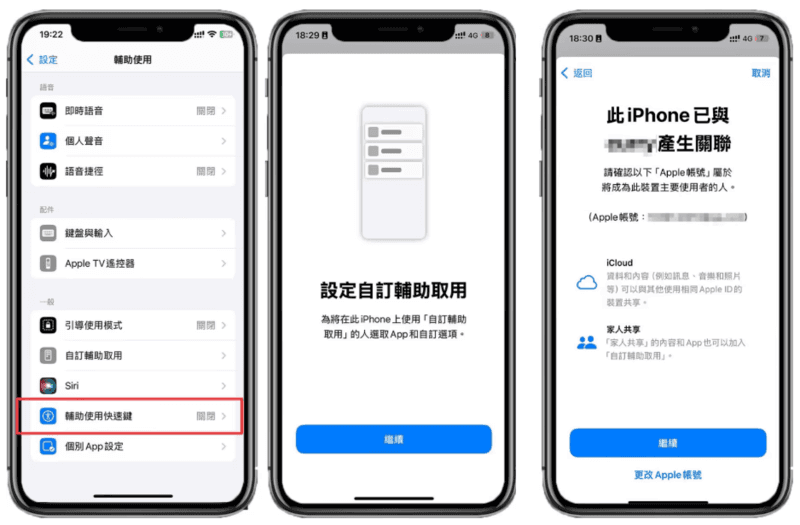
關聯 Apple 帳號

第三步:選擇適合長輩的外觀顯示方式

蘋果提供了兩種主畫面布局讓你選擇:

  • 「橫列」模式: 以列表形式展示應用程式,文字部分更大更清楚,適合喜歡簡潔介面的長輩

  • 「格狀」模式: 類似傳統的 App 圖示排列,icon 會更加突出,適合習慣傳統手機介面的使用者

建議根據長輩的使用習慣和視力狀況來選擇。一般來說,「橫列」模式因為文字較大,對視力不佳的長輩更友善。

第四步:精選長輩常用的應用程式

在這個步驟中,你可以選擇長輩平常會用到的 App。建議選擇電話、訊息、相機、照片、LINE 等基本功能即可。需要特別注意的是,沒有被選擇的應用程式在「老人模式」下將完全無法使用,所以請仔細評估長輩的實際需求再進行選擇。
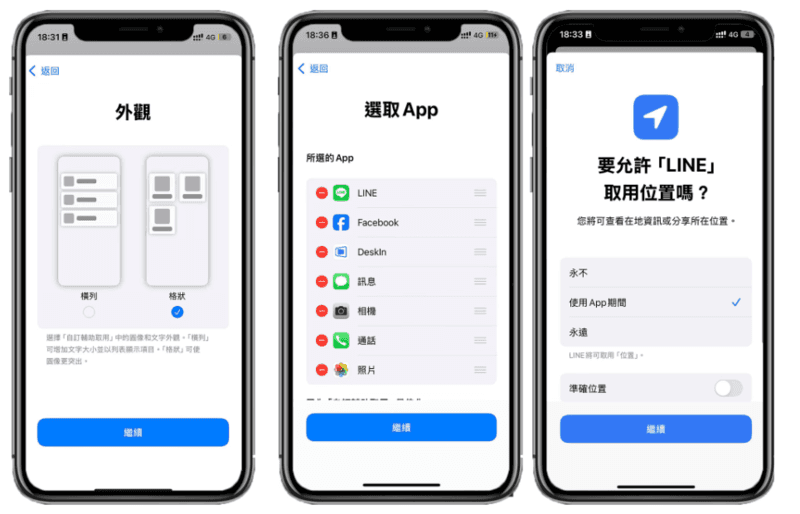
選擇 iPhone 畫面佈局外觀

第五步:設定退出密碼與閱讀重要提示

選好應用程式後,系統會顯示「老人模式」的功能限制說明:

  • 緊急服務:只能透過按三下側邊按鈕啟動緊急電話,無法使用衛星 SOS 服務

  • 系統通知:不會顯示數字提醒,只會在 App 右上角出現通知標記

  • 軟體更新:無法在此模式下更新 iOS 系統

  • 隱私權顯示:狀態列會隱藏部分隱私圖示(如 GPS 定位)

請務必詳細閱讀這些限制,確保不會影響長輩的使用需求。接著按照系統提示設定「自訂輔助取用」密碼(四位數字)以及「復原 Apple ID」,這組密碼是用來開啟和結束「老人模式」的重要憑證。
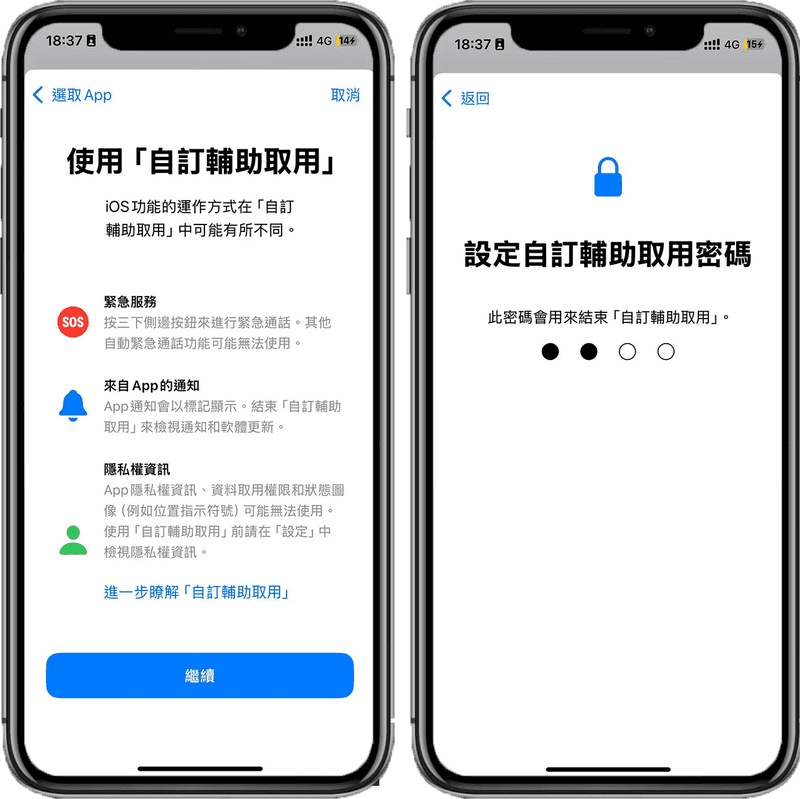
選擇 iPhone 畫面佈局外觀

設定完成後,只要按三下 iPhone 側邊按鈕,輸入密碼就能啟動或關閉長輩模式。若要永久關閉,同樣按三下側邊按鈕,輸入「自訂輔助取用」密碼即可退出。

二、簡化版「老人模式」:調整 iPhone 圖標和字體大小

如果你覺得完整的 iPhone 老人模式限制太多,長輩只是需要更大的字體和圖標,那麼以下這些簡易設定可能更適合。這些方法不會大幅改變手機的使用方式,只是讓視覺呈現更友善,同時保留所有功能。

1. 調整桌面圖標大小

如果長輩覺得 iPhone 主畫面的 App 圖示太小不好點選,可以透過以下方式放大:

長按主螢幕進入編輯模式 >> 點擊左上角「編輯」>>「自訂」>> 選擇下方的「大」選項

這個方法會讓所有圖標變大,但不會顯示應用程式名稱。建議搭配下方的字體放大功能一起使用,達到最佳效果。
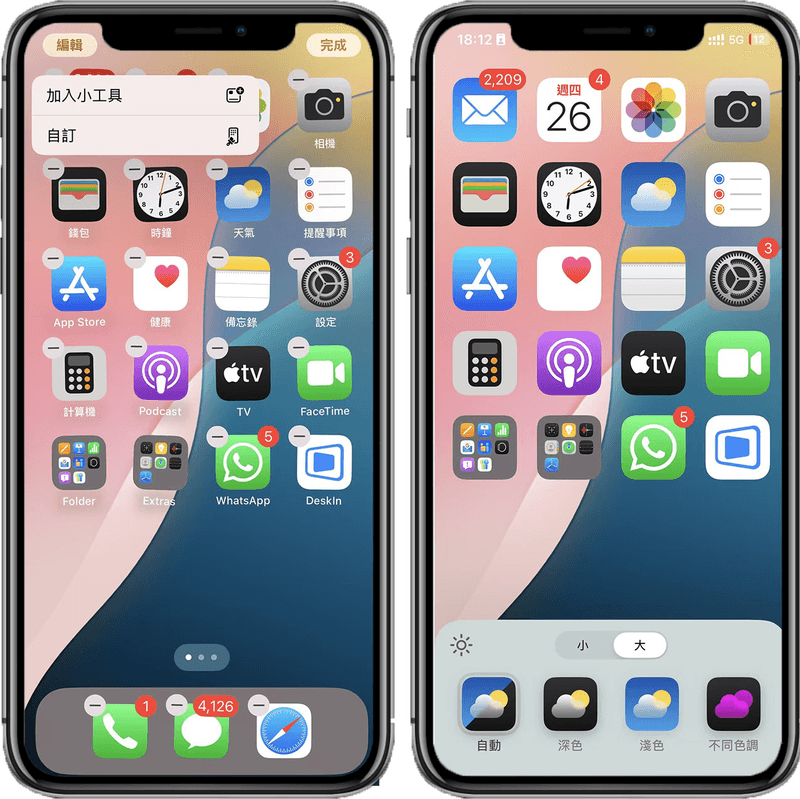
調整 iPhone 桌面圖標

2. 放大系統字體

前往手機「設定」>>「輔助使用」>>「顯示與文字大小」>>「放大文字」。在這裡你可以自由調整字體大小,滑桿向右拖曳字體就會變大。同時建議開啟「粗體文字」選項,讓文字更清晰醒目,特別適合老花眼的長輩使用。
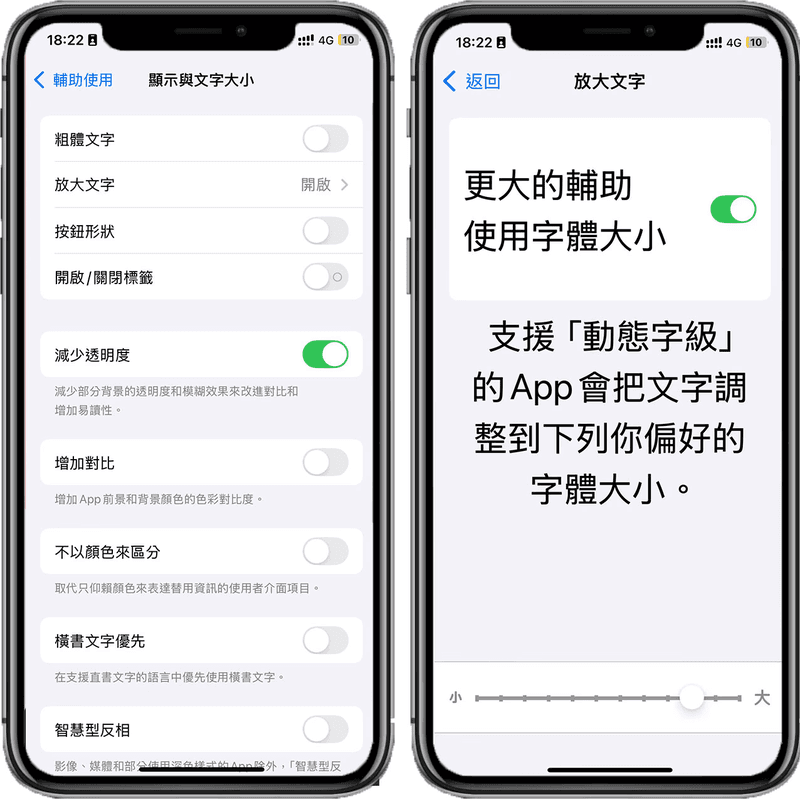
放大 iOS 系統字體

如果這些設定對長輩來說還是有點複雜,不妨使用 DeskIn 遠端桌面直接存取長輩的 iPhone 畫面,透過語音通話和白板標註功能即時指導,或直接幫長輩完成所有設定,省去來回溝通的麻煩!

免費下載DeskIn

三、Android「長輩模式」設定教學

Android 手機品牌眾多,但大多數都有內建「簡易模式」或類似的老人模式功能。這些模式能讓手機介面變得更簡潔、圖標更大、操作更直覺。以下以市佔率最高的三星手機為例進行說明,其他品牌如 OPPO、Vivo、小米等設定方式也大同小異。

三星「簡易模式」啟用方法

三星的簡易模式介面非常友善,主畫面會顯示常用聯絡人的快速撥號按鈕,應用程式圖示也會放大,整體畫面更加簡潔清爽。設定步驟如下:

  • 前往手機「設定」>>「顯示螢幕」>>「簡易模式」>>「開啟」

若內建的簡易模式仍無法滿足需求,也可以到 Google Play 商店下載第三方的極簡桌面應用程式,例如「BIG Launcher」、「Simple Launcher」等,提供更客製化的長輩模式介面。

四、Android 手機其他實用的長輩友善設定

除了基本的簡易模式,Android 手機還有許多貼心功能,能讓長輩使用起來更安全、更方便。以下整理了幾個最實用的設定,建議一併完成。

1. 調整字體大小

前往手機「設定」>>「顯示螢幕」>>「字體大小與樣式」>>依照長輩需求調整字號大小。也可以同時開啟「粗體文字」讓文字更加清晰醒目,減輕眼睛負擔。
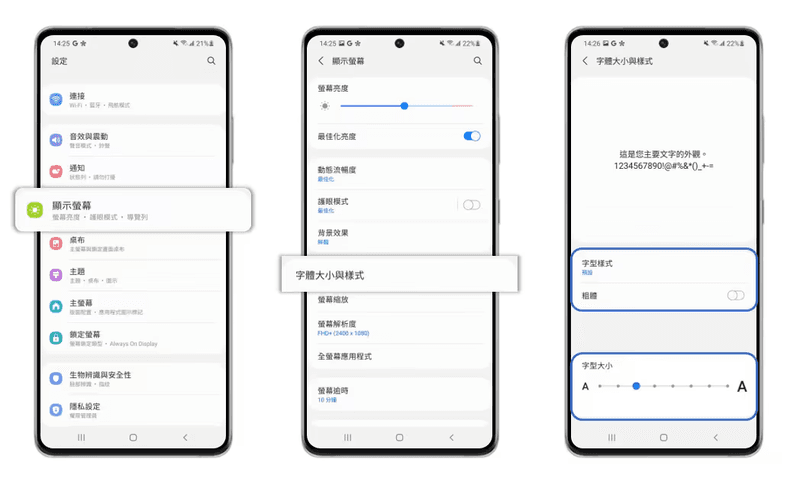
調整安卓手機字體大小

2. 開啟「防誤觸防護」

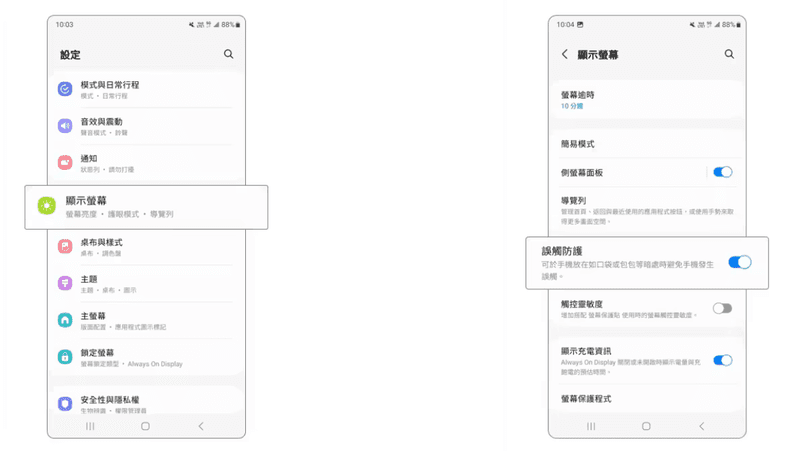
長輩常會把手機放在口袋或包包裡,不小心誤觸螢幕導致撥號或傳送訊息。啟用防誤觸功能後,手機會自動偵測是否在口袋中,避免意外操作。

  • 前往手機「設定」>>「顯示螢幕」>>「開啟誤觸防護」

開啟 Android 防誤觸防護

3. 開啟「自動封鎖」功能

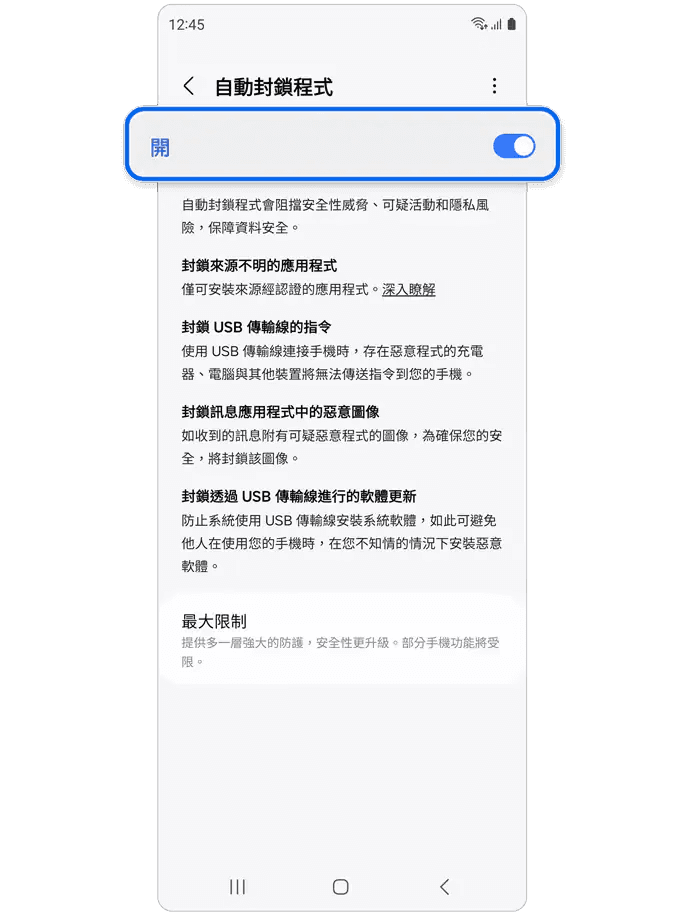
近年來針對長輩的詐騙案件層出不窮,這個功能能自動封鎖來路不明的應用程式安裝,只允許從 Galaxy Store 或 Google Play 商店下載 App。同時也會封鎖 USB 傳輸的指令和軟體、訊息中的惡意圖片連結,大幅降低長輩受騙或中毒的風險。小米手機也有類似的「騷擾攔截」、「安全守護」功能可以使用。

三星設定步驟如下:

  • 前往手機「設定」>>「安全性與隱私權」>>「自動封鎖程式」>>「開」

開啟 Samsung 自動封鎖功能

4. 設定快速撥號

讓長輩在主畫面就能快速撥打電話給家人,不用再翻找通訊錄。設定方式如下:

  • 在手機主螢幕透過兩指縮放進入編輯模式 >> 點選「Widgets」>>「聯絡人」>> 長按「快速撥號 1x1」>> 拖移到想要的位置後放開 >> 選擇要撥號的聯絡人
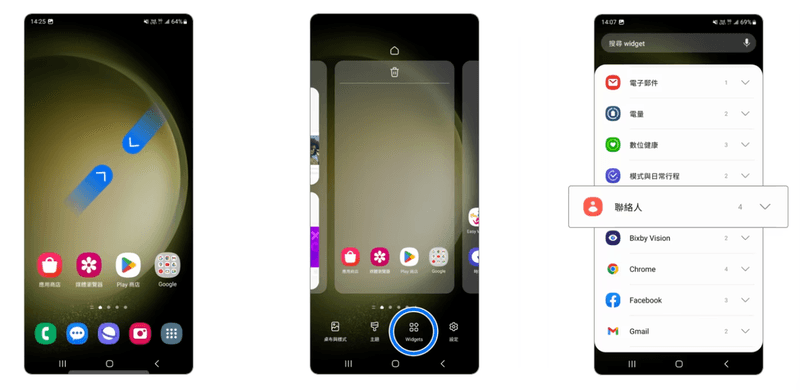
在 Android 主螢幕添加快速撥號

建議設定子女或配偶的快速撥號按鈕,放在主畫面最顯眼的位置,緊急時刻就能立即聯繫。
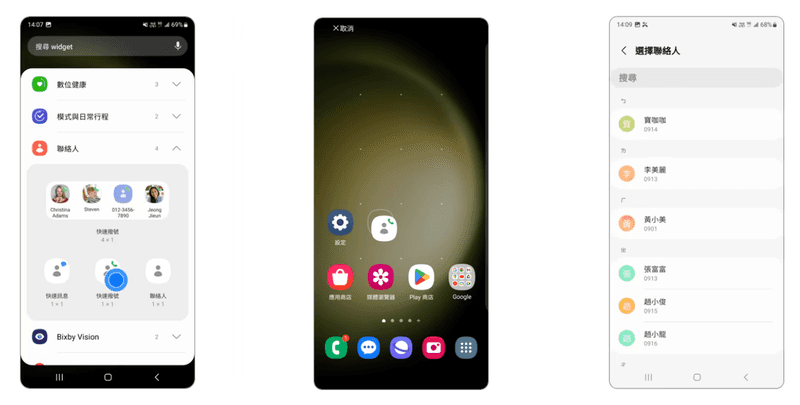
選擇快速撥號聯絡人

5. 設定 SOS 緊急聯絡人

這個功能能在長輩遇到緊急狀況時,快速撥號並發送簡訊給預設的緊急聯絡人。當長輩身體不適、發生意外或遇到危險時,只要連按電源鍵數次(依機型不同),就能自動撥號求救並傳送定位資訊,讓家人第一時間掌握狀況。

設定方法如下:

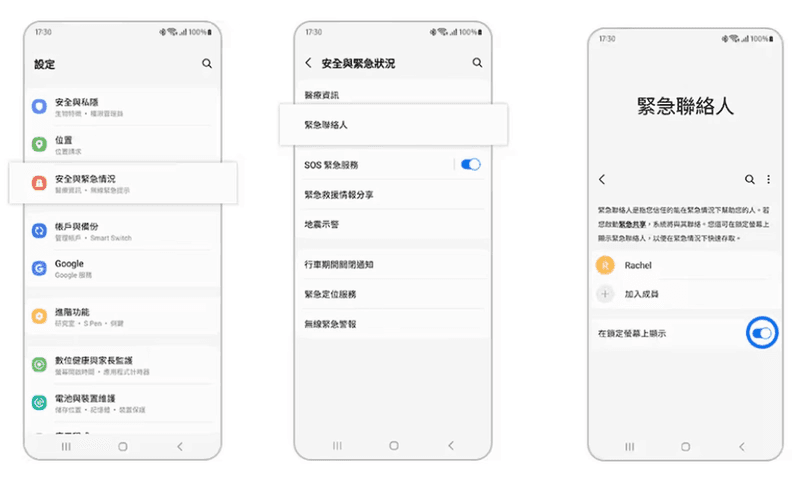
  • 前往手機「設定」>>「安全與緊急狀況」>>「緊急聯絡人」>>「新增成員」>> 選取聯絡人 >>

你還可以選擇將此聯絡人資訊顯示在鎖定螢幕上,方便他人在緊急時刻協助撥打
五、長輩遠端支援神器 DeskIn:3C 問題、老人模式設定輕鬆解決

以上介紹的 iPhone 老人模式和 Android 長輩模式設定,步驟雖然不算太複雜,但對長輩來說仍可能感到困惑。如果你不在長輩身邊,光靠電話或視訊指導往往會遇到「找不到按鈕在哪」、「聽不懂術語」、「操作到一半就迷路」等問題,來回溝通非常耗時。

這時候你需要一個能直接遠端操作長輩手機的工具—— DeskIn 遠程控制工具。它能讓你從自己的手機或電腦,直接連線到長輩的手機進行操作,就像親自在長輩身邊幫忙一樣方便!

免費下載DeskIn

DeskIn 遠端桌面的六大優勢

  • 跨平台全面支援: DeskIn 支援 Windows、Mac、iPhone、Android 等所有主流平台,無論你用什麼裝置,都能遠端控制長輩的手機或電腦,真正做到跨平台無障礙協助

  • 內建語音通話與白板標註: 連線時可以同步進行語音通話,邊操作邊即時溝通。還能使用白板標註功能在螢幕上畫圈圈、箭頭指引,讓長輩清楚看到每個步驟,印象更深刻,下次遇到類似問題也能自己處理

  • 連線流暢穩定不掉線: DeskIn 採用先進的連線技術,延遲低、操控順暢,而且沒有連線時長限制,不會像某些軟體用到一半就突然斷線,讓你能從容完成所有設定

  • 高清畫質看得清楚: 免費版就支援 1080p 30fps 高清畫質,即使是小字小按鈕也能看得一清二楚,不會因為畫面模糊而誤操作

  • 安全性高不怕被盜用: DeskIn 的手機遠端功能只能在同一個帳號下的裝置之間進行,避免長輩不小心洩露連線密碼給陌生人。連線時可以選擇讓長輩手動確認,也可以預先設定密碼快速連線,彈性又安全

  • 操作直覺長輩也能上手: DeskIn 的介面設計非常簡潔,不需要複雜的技術知識,老人都能輕鬆學會如何允許連線

除了幫長輩設定老人模式,DeskIn 在日常生活中還有很多用途:遠端幫長輩安裝 App、檢查手機有無可疑訊息、協助處理網路銀行問題、教長輩使用新功能等等。真正做到一次安裝、終身受用,成為你照顧長輩的最佳數位助手!

使用 DeskIn 遠端操作長輩手機的三個簡單步驟

第 1 步: 在你的裝置和長輩手機上下載安裝 DeskIn,並使用同一個帳號登入(可以用 Google、Apple ID 或 Email 註冊,完全免費)。

免費下載DeskIn

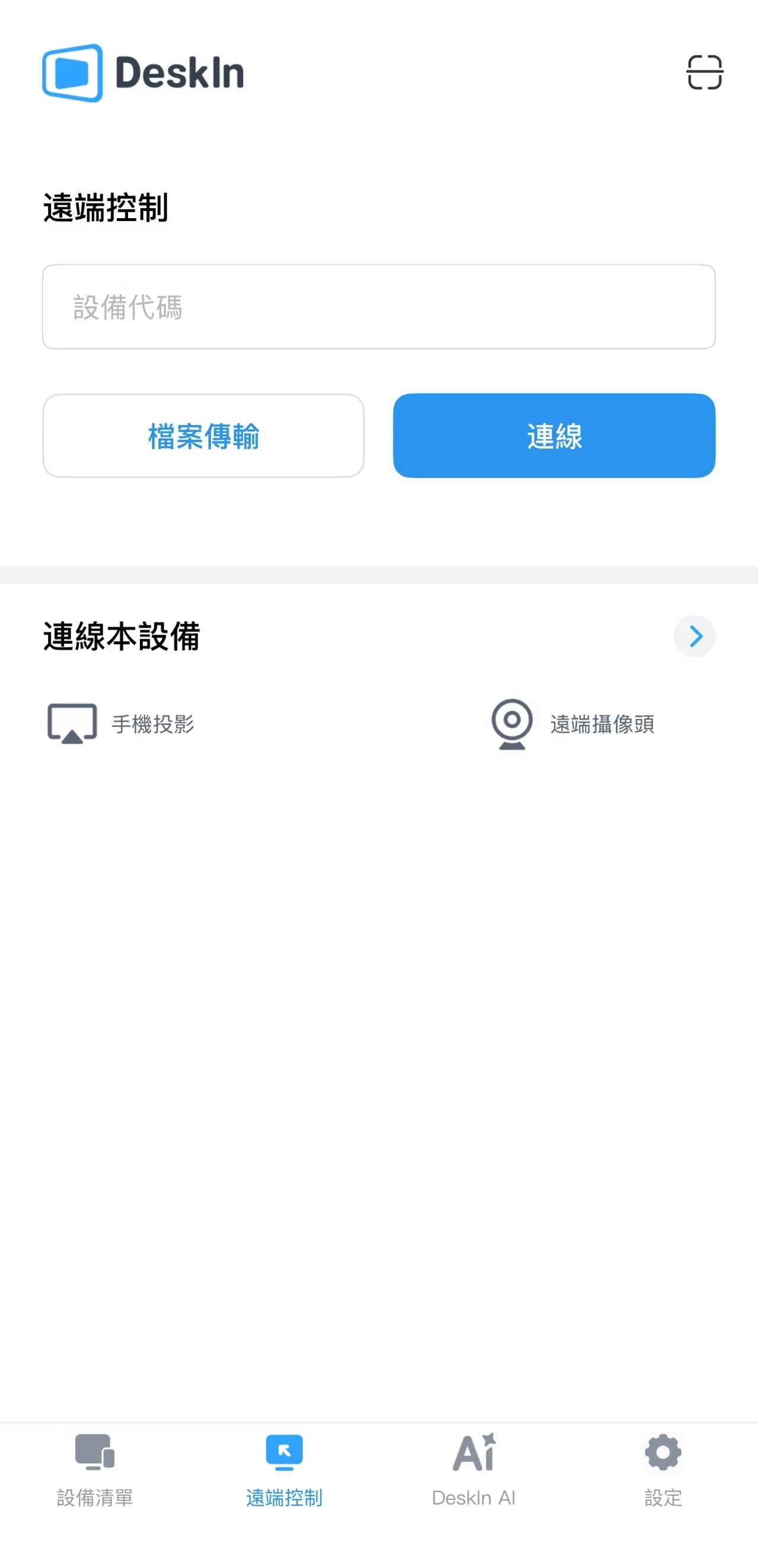
第 2 步: 當需要遠端協助時,請長輩打開 DeskIn App,點擊「連線本設備」,勾選「允許連線設備」,選擇授權的功能,按提示完成授權,就能看到本機連線密碼。

第 3 步: 在你的 DeskIn 裝置列表中找到長輩的手機,點擊連線、輸入密碼後就能直接操作。你可以邊操作邊開啟語音通話,即時指導長輩,或使用白板標註功能圈出重點。
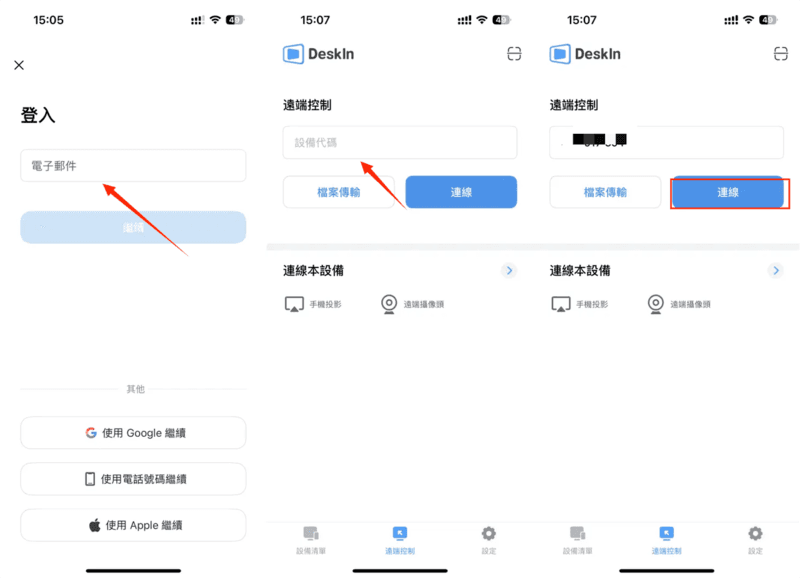
使用 DeskIn 與長輩在手機上連線

關於手機老人模式的常見問題

Q1:iPhone 老人模式如何關閉?

若要關閉 iPhone 的「老人模式(自訂輔助取用)」,只需按三下側邊按鈕,然後輸入當初設定的「自訂輔助取用」四位數密碼即可退出。如果忘記密碼,可以使用綁定的 Apple ID 進行重置。建議將密碼記錄在安全的地方,避免需要時找不到。

Q2:iPhone 老人模式可以使用 LINE 嗎?

可以!在設定 iPhone 老人模式時,第四步驟「選擇長輩需要用到的軟體」中,你可以加入 LINE 應用程式。不過需要注意的是,LINE 並非蘋果原生 App,因此在老人模式下介面會回到類似舊款 iPhone 的顯示方式,畫面會放到最大但功能依然完整可用。建議實際測試後再決定是否加入 LINE,確保長輩能順利使用。

Q3:三星手機有老人模式嗎?

有的!三星手機內建「簡易模式」,功能類似 iPhone 的老人模式。開啟後主畫面會顯示大圖示、大字體,還會新增快速撥號功能。

設定方式為:前往「設定」>>「顯示螢幕」>>「簡易模式」>>「開啟」。

其他 Android 品牌如 OPPO、Vivo、小米等也有類似功能,通常在「設定」>「顯示」或「系統」選單中可以找到,名稱可能叫「簡易模式」、「長輩模式」或「極簡模式」。

Q4:DeskIn 遠端軟體需要付費嗎?

DeskIn 提供免費版本,已包含基本的遠端控制、1080p 高清畫質、語音通話等核心功能,對於協助長輩設定手機來說完全足夠。若需要更高階的功能如 4K 畫質、檔案傳輸、多螢幕支援等,可以選擇付費方案。對大多數家庭用戶而言,免費版就能滿足日常遠端協助長輩的所有需求。

結論

本文完整介紹了 iPhone 老人模式和 Android 長輩模式的設定方法,還包括調整字體大小、防誤觸、快速撥號、SOS 緊急聯絡人等實用功能。這些設定能讓長輩更輕鬆地使用智慧型手機,減少誤觸和操作困擾,也能提升安全性。

如果你不在長輩身邊,強烈推薦使用 DeskIn 來協助設定。透過遠端連線,你可以直接操作長輩的手機,搭配語音通話和白板標註功能,就像親自在身邊指導一樣方便,再也不用重複解釋同樣的步驟。給長輩買了新手機,記得幫他們設定好老人模式和相關功能,讓他們也能享受科技帶來的便利!


免費下載DeskIn

長輩拿著新手機卻不知道怎麼用,字太小看不清楚,按鈕太小常按錯,或是擔心誤觸到不該碰的設定?根據統計,台灣 65 歲以上長者使用智慧型手機的比例已超過 70%,但因操作不熟悉而產生的困擾也隨之增加。其實,無論是 iPhone 或 Android 手機,都內建了適合長輩使用的「老人模式」或「長輩模式」,能讓手機介面變得更直覺、字體圖標更大,操作起來也更簡單。

本文將完整介紹 iPhone 自訂輔助取用功能與 Android 簡易模式的設定方法,還會教你「防誤觸模式」、「一鍵撥號」、「SOS 緊急聯絡人」等實用功能。如果你不在長輩身邊,想要遠端協助完成設定,可以使用 DeskIn 遠端桌面直接操作長輩的手機,透過語音通話和白板標註即時指導,省時又方便。現在就一起來看看詳細的設定步驟吧!

免費下載DeskIn

iPhone「老人模式」完整設定教學

蘋果在 iOS 17 推出了全新的「自訂輔助取用」功能,這就是俗稱的 iPhone 老人模式。這項功能能將手機介面極度簡化,讓圖示變大、字體變清晰,非常適合視力退化或不常使用複雜功能的長輩。以下將帶你一步步完成設定。

第一步:進入「輔助取用」設定頁面

首先,請確認你的 iPhone 系統版本為 iOS 17 或更新版本。前往手機「設定」>>「輔助使用」>>找到「自訂輔助取用」並進入,點選「設定自訂輔助取用」開始進行設定流程。

第二步:關聯 Apple 帳號確保資料安全

系統會要求你將裝置與目前登入的 Apple ID 帳號進行關聯。這個步驟是為了確保日後若忘記密碼,還能透過 Apple ID 來重置,請確認帳號正確後點擊「繼續」。

關聯 Apple 帳號

第三步:選擇適合長輩的外觀顯示方式

蘋果提供了兩種主畫面布局讓你選擇:

  • 「橫列」模式: 以列表形式展示應用程式,文字部分更大更清楚,適合喜歡簡潔介面的長輩

  • 「格狀」模式: 類似傳統的 App 圖示排列,icon 會更加突出,適合習慣傳統手機介面的使用者

建議根據長輩的使用習慣和視力狀況來選擇。一般來說,「橫列」模式因為文字較大,對視力不佳的長輩更友善。

第四步:精選長輩常用的應用程式

在這個步驟中,你可以選擇長輩平常會用到的 App。建議選擇電話、訊息、相機、照片、LINE 等基本功能即可。需要特別注意的是,沒有被選擇的應用程式在「老人模式」下將完全無法使用,所以請仔細評估長輩的實際需求再進行選擇。

選擇 iPhone 畫面佈局外觀

第五步:設定退出密碼與閱讀重要提示

選好應用程式後,系統會顯示「老人模式」的功能限制說明:

  • 緊急服務:只能透過按三下側邊按鈕啟動緊急電話,無法使用衛星 SOS 服務

  • 系統通知:不會顯示數字提醒,只會在 App 右上角出現通知標記

  • 軟體更新:無法在此模式下更新 iOS 系統

  • 隱私權顯示:狀態列會隱藏部分隱私圖示(如 GPS 定位)

請務必詳細閱讀這些限制,確保不會影響長輩的使用需求。接著按照系統提示設定「自訂輔助取用」密碼(四位數字)以及「復原 Apple ID」,這組密碼是用來開啟和結束「老人模式」的重要憑證。

選擇 iPhone 畫面佈局外觀

設定完成後,只要按三下 iPhone 側邊按鈕,輸入密碼就能啟動或關閉長輩模式。若要永久關閉,同樣按三下側邊按鈕,輸入「自訂輔助取用」密碼即可退出。

二、簡化版「老人模式」:調整 iPhone 圖標和字體大小

如果你覺得完整的 iPhone 老人模式限制太多,長輩只是需要更大的字體和圖標,那麼以下這些簡易設定可能更適合。這些方法不會大幅改變手機的使用方式,只是讓視覺呈現更友善,同時保留所有功能。

1. 調整桌面圖標大小

如果長輩覺得 iPhone 主畫面的 App 圖示太小不好點選,可以透過以下方式放大:

長按主螢幕進入編輯模式 >> 點擊左上角「編輯」>>「自訂」>> 選擇下方的「大」選項

這個方法會讓所有圖標變大,但不會顯示應用程式名稱。建議搭配下方的字體放大功能一起使用,達到最佳效果。

調整 iPhone 桌面圖標

2. 放大系統字體

前往手機「設定」>>「輔助使用」>>「顯示與文字大小」>>「放大文字」。在這裡你可以自由調整字體大小,滑桿向右拖曳字體就會變大。同時建議開啟「粗體文字」選項,讓文字更清晰醒目,特別適合老花眼的長輩使用。

放大 iOS 系統字體

如果這些設定對長輩來說還是有點複雜,不妨使用 DeskIn 遠端桌面直接存取長輩的 iPhone 畫面,透過語音通話和白板標註功能即時指導,或直接幫長輩完成所有設定,省去來回溝通的麻煩!

免費下載DeskIn

三、Android「長輩模式」設定教學

Android 手機品牌眾多,但大多數都有內建「簡易模式」或類似的老人模式功能。這些模式能讓手機介面變得更簡潔、圖標更大、操作更直覺。以下以市佔率最高的三星手機為例進行說明,其他品牌如 OPPO、Vivo、小米等設定方式也大同小異。

三星「簡易模式」啟用方法

三星的簡易模式介面非常友善,主畫面會顯示常用聯絡人的快速撥號按鈕,應用程式圖示也會放大,整體畫面更加簡潔清爽。設定步驟如下:

  • 前往手機「設定」>>「顯示螢幕」>>「簡易模式」>>「開啟」

若內建的簡易模式仍無法滿足需求,也可以到 Google Play 商店下載第三方的極簡桌面應用程式,例如「BIG Launcher」、「Simple Launcher」等,提供更客製化的長輩模式介面。

四、Android 手機其他實用的長輩友善設定

除了基本的簡易模式,Android 手機還有許多貼心功能,能讓長輩使用起來更安全、更方便。以下整理了幾個最實用的設定,建議一併完成。

1. 調整字體大小

前往手機「設定」>>「顯示螢幕」>>「字體大小與樣式」>>依照長輩需求調整字號大小。也可以同時開啟「粗體文字」讓文字更加清晰醒目,減輕眼睛負擔。

調整安卓手機字體大小

2. 開啟「防誤觸防護」

長輩常會把手機放在口袋或包包裡,不小心誤觸螢幕導致撥號或傳送訊息。啟用防誤觸功能後,手機會自動偵測是否在口袋中,避免意外操作。

  • 前往手機「設定」>>「顯示螢幕」>>「開啟誤觸防護」

開啟 Android 防誤觸防護

3. 開啟「自動封鎖」功能

近年來針對長輩的詐騙案件層出不窮,這個功能能自動封鎖來路不明的應用程式安裝,只允許從 Galaxy Store 或 Google Play 商店下載 App。同時也會封鎖 USB 傳輸的指令和軟體、訊息中的惡意圖片連結,大幅降低長輩受騙或中毒的風險。小米手機也有類似的「騷擾攔截」、「安全守護」功能可以使用。

三星設定步驟如下:

  • 前往手機「設定」>>「安全性與隱私權」>>「自動封鎖程式」>>「開」

開啟 Samsung 自動封鎖功能

4. 設定快速撥號

讓長輩在主畫面就能快速撥打電話給家人,不用再翻找通訊錄。設定方式如下:

  • 在手機主螢幕透過兩指縮放進入編輯模式 >> 點選「Widgets」>>「聯絡人」>> 長按「快速撥號 1x1」>> 拖移到想要的位置後放開 >> 選擇要撥號的聯絡人

在 Android 主螢幕添加快速撥號

建議設定子女或配偶的快速撥號按鈕,放在主畫面最顯眼的位置,緊急時刻就能立即聯繫。

選擇快速撥號聯絡人

5. 設定 SOS 緊急聯絡人

這個功能能在長輩遇到緊急狀況時,快速撥號並發送簡訊給預設的緊急聯絡人。當長輩身體不適、發生意外或遇到危險時,只要連按電源鍵數次(依機型不同),就能自動撥號求救並傳送定位資訊,讓家人第一時間掌握狀況。

設定方法如下:

  • 前往手機「設定」>>「安全與緊急狀況」>>「緊急聯絡人」>>「新增成員」>> 選取聯絡人 >>

你還可以選擇將此聯絡人資訊顯示在鎖定螢幕上,方便他人在緊急時刻協助撥打

五、長輩遠端支援神器 DeskIn:3C 問題、老人模式設定輕鬆解決

以上介紹的 iPhone 老人模式和 Android 長輩模式設定,步驟雖然不算太複雜,但對長輩來說仍可能感到困惑。如果你不在長輩身邊,光靠電話或視訊指導往往會遇到「找不到按鈕在哪」、「聽不懂術語」、「操作到一半就迷路」等問題,來回溝通非常耗時。

這時候你需要一個能直接遠端操作長輩手機的工具—— DeskIn 遠程控制工具。它能讓你從自己的手機或電腦,直接連線到長輩的手機進行操作,就像親自在長輩身邊幫忙一樣方便!

免費下載DeskIn

DeskIn 遠端桌面的六大優勢

  • 跨平台全面支援: DeskIn 支援 Windows、Mac、iPhone、Android 等所有主流平台,無論你用什麼裝置,都能遠端控制長輩的手機或電腦,真正做到跨平台無障礙協助

  • 內建語音通話與白板標註: 連線時可以同步進行語音通話,邊操作邊即時溝通。還能使用白板標註功能在螢幕上畫圈圈、箭頭指引,讓長輩清楚看到每個步驟,印象更深刻,下次遇到類似問題也能自己處理

  • 連線流暢穩定不掉線: DeskIn 採用先進的連線技術,延遲低、操控順暢,而且沒有連線時長限制,不會像某些軟體用到一半就突然斷線,讓你能從容完成所有設定

  • 高清畫質看得清楚: 免費版就支援 1080p 30fps 高清畫質,即使是小字小按鈕也能看得一清二楚,不會因為畫面模糊而誤操作

  • 安全性高不怕被盜用: DeskIn 的手機遠端功能只能在同一個帳號下的裝置之間進行,避免長輩不小心洩露連線密碼給陌生人。連線時可以選擇讓長輩手動確認,也可以預先設定密碼快速連線,彈性又安全

  • 操作直覺長輩也能上手: DeskIn 的介面設計非常簡潔,不需要複雜的技術知識,老人都能輕鬆學會如何允許連線

除了幫長輩設定老人模式,DeskIn 在日常生活中還有很多用途:遠端幫長輩安裝 App、檢查手機有無可疑訊息、協助處理網路銀行問題、教長輩使用新功能等等。真正做到一次安裝、終身受用,成為你照顧長輩的最佳數位助手!

使用 DeskIn 遠端操作長輩手機的三個簡單步驟

第 1 步: 在你的裝置和長輩手機上下載安裝 DeskIn,並使用同一個帳號登入(可以用 Google、Apple ID 或 Email 註冊,完全免費)。

免費下載DeskIn

第 2 步: 當需要遠端協助時,請長輩打開 DeskIn App,點擊「連線本設備」,勾選「允許連線設備」,選擇授權的功能,按提示完成授權,就能看到本機連線密碼。

第 3 步: 在你的 DeskIn 裝置列表中找到長輩的手機,點擊連線、輸入密碼後就能直接操作。你可以邊操作邊開啟語音通話,即時指導長輩,或使用白板標註功能圈出重點。

使用 DeskIn 與長輩在手機上連線

關於手機老人模式的常見問題

Q1:iPhone 老人模式如何關閉?

若要關閉 iPhone 的「老人模式(自訂輔助取用)」,只需按三下側邊按鈕,然後輸入當初設定的「自訂輔助取用」四位數密碼即可退出。如果忘記密碼,可以使用綁定的 Apple ID 進行重置。建議將密碼記錄在安全的地方,避免需要時找不到。

Q2:iPhone 老人模式可以使用 LINE 嗎?

可以!在設定 iPhone 老人模式時,第四步驟「選擇長輩需要用到的軟體」中,你可以加入 LINE 應用程式。不過需要注意的是,LINE 並非蘋果原生 App,因此在老人模式下介面會回到類似舊款 iPhone 的顯示方式,畫面會放到最大但功能依然完整可用。建議實際測試後再決定是否加入 LINE,確保長輩能順利使用。

Q3:三星手機有老人模式嗎?

有的!三星手機內建「簡易模式」,功能類似 iPhone 的老人模式。開啟後主畫面會顯示大圖示、大字體,還會新增快速撥號功能。

設定方式為:前往「設定」>>「顯示螢幕」>>「簡易模式」>>「開啟」。

其他 Android 品牌如 OPPO、Vivo、小米等也有類似功能,通常在「設定」>「顯示」或「系統」選單中可以找到,名稱可能叫「簡易模式」、「長輩模式」或「極簡模式」。

Q4:DeskIn 遠端軟體需要付費嗎?

DeskIn 提供免費版本,已包含基本的遠端控制、1080p 高清畫質、語音通話等核心功能,對於協助長輩設定手機來說完全足夠。若需要更高階的功能如 4K 畫質、檔案傳輸、多螢幕支援等,可以選擇付費方案。對大多數家庭用戶而言,免費版就能滿足日常遠端協助長輩的所有需求。

結論

本文完整介紹了 iPhone 老人模式和 Android 長輩模式的設定方法,還包括調整字體大小、防誤觸、快速撥號、SOS 緊急聯絡人等實用功能。這些設定能讓長輩更輕鬆地使用智慧型手機,減少誤觸和操作困擾,也能提升安全性。

如果你不在長輩身邊,強烈推薦使用 DeskIn 來協助設定。透過遠端連線,你可以直接操作長輩的手機,搭配語音通話和白板標註功能,就像親自在身邊指導一樣方便,再也不用重複解釋同樣的步驟。給長輩買了新手機,記得幫他們設定好老人模式和相關功能,讓他們也能享受科技帶來的便利!

免費下載DeskIn
new year promo
deskin promo
deskin promo
deskin promo
deskin promo
deskin promo
iPhone/Android 老人模式設定教學,讓長輩輕鬆上手智慧手機

章節目錄

deskin promo

What’s next?

The 10 Best File Transfer Softward and Applications for Android

The 10 Best File Transfer Software for Android in 2026

It's 2026, and you'd think moving files between devices would be seamless by now. Yet here we are: Google's official Android File Transfer still crashes on macOS Sequoia. Quick Share discovers devices only half the time. And Bluetooth? Best reserved for a single contact card—not your 4GB vacation video.

The reality is that file transfer software for Android has fragmented into specialized tools. Some excel at local speed. Others unlock remote access. A few even let you access files on a computer from Android while you're 3,000 miles away.

You may also like:

Overview of Android File Transfer Apps

Tool

Best For

Platforms

Connection

Price

DeskIn


Remote file access & cross‑platform management

Win, Mac, iOS, Android, Web

P2P / Relay

Free / Paid

MobiKin Assistant for Android

Android data backup & transfer (contacts, files, etc.)

Win, Mac ↔ Android

USB / Wi‑Fi

Freemium

Quick Share

Instant nearby sharing (Android ↔ Win)

Android, Win, ChromeOS

Wi‑Fi Direct + BT

Free

Send Anywhere

Sending huge files via 6‑digit code

All major OS

Wi‑Fi / Cellular

Free / Paid

MacDroid


Reliable Android ↔ Mac USB/ Wi‑Fi

Mac ↔ Android

USB / Wi‑Fi

Freemium

AirDroid

Remote Android management & control

Web, Win, Mac, Android

Wi‑Fi / Remote

Freemium

Phone Link

Windows‑Android easy integration

Win, Android

Wi‑Fi / BT

Free

Smart Switch

Samsung device migration

Samsung, iOS, Android

USB / Wi‑Fi

Free

LocalSend

Privacy‑friendly local network transfers

All major OS

LAN (Wi‑Fi)

Free (Open source)

iReaShare Android Manager

Full‑featured Android data management

Win, Mac ↔ Android

USB / Wi‑Fi

Freemium


Here is the detailed reviews for 10 best Android file transfer applications.

1. DeskIn: Best for Remote File Access and Cross‑Platform Management

est Android File Transfer Tool DeskIn

Pros

  • Unattended remote access to PC files from any device (Android, iOS, Web)

  • High‑speed P2P file transfer (up to 12MB/s) with auto‑resume

  • Cross‑platform: control Windows/Mac from Android, transfer files between Android and Windows PC wirelessly

  • Built‑in Wake‑on‑LAN – power on a remote PC from a phone

  • Free tier supports 3 devices, no file size limits

Cons

  • Requires app installation on both ends

DeskIn stands apart from other file transfer software for Android tools by letting you access files on your PC from your Android phone even when you’re far away. DeskIn lets you also access files on your computer from Android even when you're miles away.

Need a contract from your office PC while at the airport? Simply open DeskIn on your Android, browse the remote desktop, and drag the file to your phone. The connection is secured with AES‑256 + TLS 1.3, and transfers automatically resume if the network drops.

Beyond one‑off transfers, DeskIn is great for transferring files between Android and Windows PC daily. You can push screenshots from your Android to your Windows desktop with a single click, or pull design assets from your Mac to your Android tablet. For users who juggle multiple platforms and need both Android file transfer software for Windows and Android file transfer software for Mac, DeskIn is the one tool that works across all your devices and platforms.

2. Best for Mac Users Who Need a Reliable Android File Transfer Tool: MobiKin Assistant for Android

Android File Transfer Tool - MobiKin Assistant for Android

Pros

  • Native support for both Windows and macOS

  • USB and Wi-Fi transfer options

  • Two-way transfers – Android to Mac and Mac to Android

  • Manages contacts, SMS, apps, photos, videos, and more

  • One-click backup and restore

Cons

  • Paid software – full version from $29.95

  • Free trial has limitations

  • Requires USB debugging setup

If you're a Mac user frustrated by Google's abandoned Android File Transfer for Mac, which crashes constantly and hasn't been updated in years, MobiKin Assistant for Android is the reliable replacement you need. It mounts your Android device for fast USB transfers, but also adds Wi-Fi connectivity, two-way file moving, and deep data management.

You can export SMS threads, edit contacts in bulk, install apps, and create full device backups with one click. No cloud, no privacy concerns, no connection drops.

3. Best for Instant Wireless Sharing Between Android and Windows - Quick Share

Best Android File Transfer Tool - Quick Share

Pros

  • Pre‑installed on most Android phones (Android 6+)

  • Uses Wi‑Fi Direct + Bluetooth – no mobile data

  • Windows app is available for cross‑platform

Cons

  • Windows version requires 64‑bit Windows 10/11

  • Older Android devices may lack support

Quick Share is Google's answer to AirDrop, and it works surprisingly well for local transfers. If you're looking for efficient Bluetooth file transfer software for Android, Quick Share automatically switches between Bluetooth (for device discovery) and Wi‑Fi Direct (for high‑speed data). Sending a 4K video to a nearby Windows laptop takes seconds, with no cables or cloud uploads.

The Windows client (available from Samsung or Google's site) makes Quick Share a viable option for transferring files between Android and Windows PC without any dongles. It's perfect for quick, on‑the‑spot sharing at home or in the office. The main limitation is range: both devices must be within Bluetooth range (~10m). For remote access, you'll still need a tool like DeskIn.

4. Best for Sending Large Files via Temporary Code: Send Anywhere

Android File Transfer Tool Send Anywhere

Pros

  • No file size limit

  • 6‑digit key system – no account needed

  • Truly cross‑platform: Android, iOS, Windows, Mac, Linux, Web

Cons

  • Keys expire in 10 minutes – stressful for slow recipients

  • Speeds depend on the server relay

Send Anywhere stands out for its simplicity: you select a file, the app generates a 6‑digit code, and the recipient enters it on any device to download. It doesn't matter if they're on Android, iPhone, or a Windows PC – the file travels through Send Anywhere's servers (encrypted) and is then deleted. This makes it ideal for transferring photos from Android to iPhone when switching ecosystems, or for sending a large video to a client who isn't tech‑savvy.

Because there's no file size cap, you can even send 100GB+ files (though speeds may vary). The free version is fully functional; the paid plan adds cloud storage and link control. However, it requires an internet connection on both sides, and the 10‑minute expiry can be problematic.

For high-speed transfers between your devices (phones, tablets, and laptops) without an internet connection, LocalSend is the better choice. Quick Share works great for Android-to-Android transfers, but requires an internet connection when sharing with iPhones.

5. Best for Reliable Android ↔ Mac USB/Wireless Transfers: MacDroid

Android File Transfer Tool MacDroid

Pros

  • Mounter – mounts Android as a native macOS volume

  • Supports both USB and Wi‑Fi

  • Edit files directly on an Android device

Cons

  • Free version only allows Android → Mac transfers

  • The pro version is subscription‑based

MacDroid solves the biggest frustration of Android‑on‑Mac: unreliable MTP connections. It mounts your Android device as a standard disk drive in Finder, so you can drag files both ways, rename folders, or even open documents directly from your phone. The USB transfer speed is stable and much faster than Android File Transfer. If you frequently move large video files between your Android phone and MacBook, MacDroid is the best option.

The wireless mode works over the local network, giving you cable‑free convenience at home. However, the free version severely restricts outgoing transfers, pushing you toward a $19.99/year subscription. For users who only need occasional Android file transfer software for Mac, Android File Transfer (free) might suffice. If you need more than just basic photo transfers—like accessing system files or drag-and-drop management—MacDroid is worth the investment. Alternatively, DeskIn offers remote transfer without any device‑side mounting issues.

6. Best for Remote Android Management and File Transfer: AirDroid

Android File Transfer Tool AirDroid

Pros

  • Wireless file transfer via web browser or desktop client

  • Remote control of the Android screen (for support)

  • SMS, notification mirroring

Cons

  • Privacy concerns; data goes through AirDroid servers

  • The free version has transfer caps

AirDroid is more than a file transfer app. It's a full remote management suite. You can access your Android phone's files from any web browser, transfer photos wirelessly, and even send SMS from your PC. This makes it a powerful tool for accessing files on a computer from Android in reverse: you can push files from your PC to your phone just by dragging them into the browser window.

The downside is that most features rely on AirDroid's cloud servers, which raises privacy questions and can slow down large transfers. The free tier limits data to 200MB/month.

AirDroid remains popular among IT support technicians who need to troubleshoot family members' devices, but for pure file transfer, DeskIn or LocalSend are more direct and private.

7. Best for Seamless Windows‑Android Integration: Phone Link

Android File Transfer Tool Phone Link

Pros

  • Built into Windows 10/11

  • Drag‑and‑drop photo transfer

  • View notifications, take calls

Cons

  • Only transfers photos (no documents, music, etc.)

  • Requires a Microsoft account and the Link to Windows app

Phone Link (formerly Your Phone) is Microsoft's official solution to connect Android and Windows. It excels at integrating your phone's communication features – messages, calls, notifications – directly on your PC. For file transfer, however, it's strictly limited to photos. You can drag photos from your Android gallery to a Windows folder, but you cannot transfer PDFs, APKs, music, or any other file type.

If your primary need is how to transfer files from pc to pc, Phone Link won't help; it's phone‑to‑PC only. For Android users who mainly want to back up camera shots to their Windows computer, it's convenient and pre‑installed. But anyone needing universal file transfer software for Android will quickly hit a wall. Pair it with DeskIn for full document access.

8. Best for Samsung Users Migrating Data: Samsung Smart Switch

Android File Transfer Tool Samsung Smart Switch

Pros

  • All‑in‑one data migration (contacts, messages, apps, photos)

  • Works with iOS as well (cable or wireless)

  • Free and reliable

Cons

  • Primarily for device setup, not daily transfers

Smart Switch is Samsung's official tool to move data from an old phone (Android or iPhone) to a new Samsung Galaxy device. It's not designed for day‑to‑day file shuffling, but it performs one task exceptionally well: complete phone migration. You can use a USB‑C to USB‑C cable for a 20‑minute full restore, or go wireless if you don't have the cable.

For Samsung loyalists, Smart Switch is indispensable. It transfers almost everything, including WhatsApp chats (from Android) and iMessage history (from iPhone). However, it's not a general‑purpose Android file transfer software for Windows – you can't selectively copy a single document to your PC. That's where tools like DeskIn or iReaShare come in.

9. Best for Privacy‑Focused Local Network Transfers: LocalSend

Android File Transfer Tool LocalSend

Pros

  • Open source, no servers, no tracking

  • Works on all platforms: Android, iOS, Windows, Mac, Linux

  • No internet is required – use LAN

Cons

  • Both devices must be on the same Wi‑Fi

  • The interface is basic and lacks advanced features

LocalSend has gained massive popularity on Reddit as the anti‑"spyware" alternative to SHAREit and Xender. It's completely open source, sends files directly over your local network (no cloud servers), and requires no account or internet connection. For privacy-conscious users, this is the gold standard for transferring files between an Android and windows PC when both are at home.

While it lacks remote access (you must be on the same Wi‑Fi), LocalSend is incredibly fast and reliable. It also works offline, making it perfect for campus environments or offices with restricted internet. The app is free with no ads or paid tiers. If you need to transfer photos from Android to iPhone across the same network, LocalSend does it instantly without compressing quality.

10. Best for Comprehensive Android Data Management: iReaShare Android Manager

Android File Transfer Tool iReaShare Android Manager

Pros

  • Complete management: contacts, messages, apps, photos, videos

  • High‑speed USB & Wi‑Fi transfer

  • Backup & restore functionality

Cons

  • Free trial limited; full version paid

  • Windows/Mac only – no mobile app for receiving

iReaShare Android Manager is a desktop‑based app that gives you full control of your Android device from your computer. Unlike simple transfer apps, it lets you view, edit, add, and delete contacts, send/receive SMS from your PC, install/uninstall apps in bulk, and, of course, transfer any media file. It supports both USB and Wi‑Fi connections, and the transfer speed is consistently high – up to 12MB/s.

The software is particularly useful for users who want to access files on a computer from Android in reverse: you can push files from your PC to your phone just as easily as pulling them. The free trial allows you to test the features, but advanced functions require a license. For users who regularly manage large photo libraries or need to back up text messages, iReaShare is a capable, all‑in‑one alternative to Google's built-in tools.

FAQs

1. What is the fastest way to transfer files from Android to PC?

Wired USB 3.0 connections still win for pure speed, but DeskIn delivers the best balance of convenience and performance, especially when you're not near your computer. The speed of transfers files at up to 12MB/s over any distance, with automatic resumes for unstable connections. For local wireless speed, LocalSend maxes out your Wi-Fi speed.

2. How do I transfer photos from Android to iPhone wirelessly?

Send Anywhere is the simplest: generate a 6‑digit code on Android, enter it on iPhone, and transfer photos without quality loss. DeskIn also works for cross‑platform file moves.

3. Can I access files on my computer from Android when I'm away?

Absolutely. DeskIn is built for this. It lets you wake a sleeping PC remotely, browse folders, and download files directly to your phone. No router configuration is required. AirDroid offers similar remote access but with transfer caps on the free tier.

Conclusion – DeskIn First, Others Second

No single file transfer software for Android does it all. But one does most of it. DeskIn is the only tool that lets you access files on a computer from Android remotely, transfer cross-platform, and even learn how to transfer files from pc to pc—all with AES‑256 + TLS 1.3 encryption. Keep LocalSend for private local sharing and Send Anywhere for emergencies.

But start with DeskIn. Stop searching for Android file transfer software for Windows or Mac. One app. All your devices.

Free download DeskIn
video editor transferring short videos files from her studio pc to home laptop for final touches

How to Transfer Files from PC to PC: 6 Proven Methods

Your new PC is ready, but all your files are still trapped in the old one. USB‑C won't talk to USB‑A, 1TB of data won't fit on a dusty 16GB flash drive, and that transfer cable you bought ships with a driver CD—but new PC doesn't even have a disc drive. These aren't one‑off headaches; they're the exact scenarios real users describe when they search for how to transfer files from PC to PC:

  1. "I have a PC with a Type C port and another PC with a Type A port.
    When I connect these, I am unable to transfer files."

  2. "My new computer does not have a CD-ROM drive. How do I install the driver?"

  3. "How do I get everything on my old PC on my new PC?"

Six methods exist. One of them is wireless, free to start, and completely independent of whether your computers run Windows, macOS, or other USB languages. Let's find yours!

Quick Comparison: Which Method Fits You?

Method

Best For

Hardware Needed

Speed

Skill Level

DeskIn

Users with mismatched ports, mixed Windows/Mac, or anyone who hates cables

None
(Wi‑Fi only)


Fast
(LAN speed)

Beginner

External Hard Drive

One‑time, massive transfers (1 TB+) where the internet is slow

USB drive/ SSD

Very fast
(bus speed)

Beginner

USB Transfer Cable

Offline wired transfer; both PCs on the same desk

Special bridging cable

Fast

Intermediate (driver hunt)

Local Network

Home/office users with both PCs on the same router

None
(Wi‑Fi / Ethernet)

Medium
(Router dependent)

Intermediate

Cloud Storage

Ongoing sync; files needed on multiple devices

None

Slow
(Upload/ download)

Beginner

PC Migration Software

Full system migration, including apps and settings

None
(Software only)

Medium‑Fast

Advanced / IT pro

1. DeskIn — Best for Wireless, Cross-Platform, Cable‑Free Transfer

Advantages with DeskIn

  • No cables, no adapters, no driver CDs – works entirely over Wi-Fi

  • Compatible with both Windows and macOS – easy cross-platform transfer

  • No file size limits – send 100GB+ videos or backups without splitting

  • Direct peer-to-peer transfer – files never touch a third-party cloud server

  • Drag-and-drop simplicity – no network discovery or drive mapping required

  • AES-256 encryption – your files are secure

  • Free tier available – no credit card required to start

Disadvantage

  • Requires both PCs to be on the internet

Mismatched ports and missing drivers are the most common reasons PC-to-PC transfers fail. DeskIn removes both problems. No cable. No adapter. No installation media required. The application establishes a direct, encrypted peer-to-peer connection over Wi-Fi. It works on both Windows and macOS, and port types don’t matter.

DeskIn bypasses the physical layer entirely: No dongles, no "driver not found" errors, no expensive docks. This is also the only consumer‑friendly tool on this list that lets you transfer files between Windows and Mac wirelessly without any technical setup. Your old Windows workhorse and your new MacBook Air? They shake hands instantly.

How to transfer files with DeskIn

Step 1. Download DeskIn

download DeskIn to transfer file for PC

Visit DeskIn Personal Download and install it on both devices. Create and log in to your account on both devices. DeskIn offers a free trial, and you can start using it immediately.

Free download DeskIn

Step 2. Choose Remote PC to Connect

Navigate to the Device List, find the target PC, click the File Transfer button, and enter the Password (Remote Control).

Note: If your two devices are not logged into the same account, you will also need to enter the device code.

Step 3. Send Files Instantly

Simply drag and drop files between your computers. DeskIn will transfer files at 12MB/s. At the bottom of the page, you can track the progress of the file transfer. After a successful transfer, you can see the transferred files in your folder.

Note: DeskIn supports cross-system file transfers of unlimited size, type, and number.

That's it. Your files move directly - no cloud staging, no size limits on the free tier for transfers, and no waiting for uploads to finish before downloads can start.

You may also like:

2. External Hard Drive: Best for Massive Offline Transfers (1 TB+)

Advantages

  • No internet required; works anywhere

  • One‑time hardware cost; no subscriptions

  • Total physical control: Are files directly on my computer at all times

Disadvantages

  • A physical device can be lost, stolen, or dropped

  • No built‑in encryption; data is exposed if the drive is misplaced

  • You must own a drive large enough to hold all your data

The Reddit user facing a terabyte of data wasn't exaggerating: "I want to transfer about 1TB of data. It's mostly just in a few folders." When you're moving that much information, cloud uploads can take days. External drives are still the fastest option for moving large amounts of data.

How to transfer files with an external hard drive

  1. Connect the external hard drive to your old PC

  2. Open your file explorer and drag the files or folders you want to transfer into the drive

  3. Safely eject the hard drive and connect it to your new PC

  4. Open the drive in your File Explorer and move the files to their new location

Pro tip: If you are moving your files directly to Windows system folders (like the entire C:\Users directory), you may need administrator permissions. Copy what you can; use DeskIn for the rest.

You may also like:

3. USB Transfer Cable: Best for Direct Wired Transfer Without a Network

Advantages

  • Faster than external HDDs for thousands of small files

  • No router or Wi‑Fi needed

  • Often includes simple transfer software

Disadvantages

  • Requires a specialized USB cable transfer files — not a standard USB cord

  • PCs must be within cable length (usually 1–2 meters)

  • Driver CDs are often included; new PCs may lack optical drives

  • Cable becomes e‑waste after one use

The Reddit user who asked about bridging cables hit the exact pain point: "I've read about USB bridging cables, but you seem to need to install software from a CD. My new computer does not have a CD-ROM drive." This method works—if you can solve the driver dependency before your old PC is packed away.

How to transfer files with the USB Transfer Cable

  1. Connect the cable to both PCs using the appropriate USB ports

  2. Launch the software that came with the cable (usually auto-installs)

  3. Select the files or folders you want to transfer and begin the process

Can you use an HDMI cable?

No. This question appears in forums constantly. HDMI carries video and audio. It does not carry your documents.

4. Local Network (Wi‑Fi / LAN) — Best for Frequent Transfers on the Same Router

Advantages

  • No new hardware to buy

  • Good for ongoing, recurring transfers

  • Works wirelessly; no cables between PCs

Disadvantages

  • Speed is capped by your router and Wi‑Fi congestion

  • Both PCs must be powered on and on the same network

  • Initial setup requires navigating Windows Settings

If you frequently ask how to move downloads from one laptop to another in the same household, network sharing is the easiest ongoing option. Once set up, it works like moving files between folders on one computer — no speed limits, no USB sticks.

How to set up network sharing (Windows 10/11)

  1. Connect both PCs to the same Wi‑Fi or wired network.

  2. On the source PC, open Settings > Network & Internet > Ethernet (or Wi‑Fi) and ensure the network profile is set to Private.

  3. Go to Control Panel > Network and Sharing Center > Advanced sharing settings.

  4. Turn on Network discovery and File and printer sharing.

  5. Right‑click the folder you want to share → Properties → Sharing → Share.

  6. On the destination PC, open File Explorer, click Network in the sidebar, and double‑click the source PC's name.

For remote workers: You can also transfer files over remote desktop by connecting to the office PC and mapping local drives in the Remote Desktop session—ideal for pulling specific files while travelling.

Cloud Storage — Best for Ongoing Sync and Always‑Available Access

Advantages

  • Files are encrypted in transit and at rest

  • Accessible from any device, anywhere

  • No physical media to lose or damage

Disadvantages

  • Requires a paid subscription for large volumes

  • Upload then = double the time

  • Speed is entirely dependent on your internet pipe

Not everyone is doing a one-time migration. Some users want their files to live in the cloud permanently—available on their phone, tablet, and laptop simultaneously. Cloud storage is less a "transfer method" and more a permanent relocation.

How to transfer files with Cloud Storage

  1. Install your preferred cloud provider's desktop app (Google Drive, OneDrive, Dropbox) on the old PC.

  2. Sign in. Choose which folders to sync to the cloud.

  3. Wait for the upload to complete. (For 1TB of data on average U.S. broadband, plan for roughly 48 hours of uninterrupted upload.)

  4. On the new PC, install the same app and sign in with the same account.

  5. The files will sync down to the new machine.

Heads up: If you delete a synced file on one device while both are signed in, it will be deleted everywhere. Always sign out of your old PC before wiping it.

6. PC Migration Software: Best for Full System State Migration

Advantages

  • Transfers applications, settings, and user profiles — not just files

  • High security (SFTP, AES‑256) for regulated industries

  • Can schedule transfers during off‑peak hours

Disadvantages

  • Expensive (often enterprise licensing)

  • Steep learning curve

  • Massive overkill for most home users

The Reddit user asking "How do I get everything on my old PC on my new PC?" might not realize that "everything" includes application configurations, saved login sessions, and system tweaks accumulated over the years. Regular tools move your files. Migration software moves everything, including your apps, settings, and saved sessions.

How to transfer files with PC Migration Software (varies by vendor)

  1. Install the migration software on both PCs.

  2. Choose a transfer type: network, direct cable, or external media.

  3. Select which system elements to migrate (files, apps, settings).

  4. Follow the vendor's wizard to complete the transfer.

When you actually need this: If you are moving your files directly on Windows system folders that Windows locks during normal operation, or if you are migrating an entire domain‑joined corporate machine, consumer tools won't cut it. This is a job for IT.

You may also like:

FAQs on Transferring Files (PC to PC)

1. How do I transfer everything from my old computer to my new computer Windows 10 to Windows 11?

For personal files: Use DeskIn for a fast, wireless transfer—it's free for up to 2 GB and inexpensive for larger volumes. Unlike a bridging cable, you don't need to hunt down drivers or worry about whether your new PC has a CD-ROM drive.

For system settings: Use the built‑in Windows Backup app (Settings > Accounts > Windows Backup) to sync your preferences to your Microsoft account. Restore them during Windows 11 setup.

2. What is the easiest way to transfer files from PC to PC wirelessly?

DeskIn requires zero configuration beyond installing and logging in to the app. Both PCs discover each other automatically: no network sharing settings to toggle, no folder permissions to configure. If you prefer native tools, Windows Nearby Sharing works when both devices are on the same Wi‑Fi, but it can be finicky with large folders. DeskIn handles bulk transfers more reliably.

3. How do I transfer files if my PCs have different USB port types?

This is the exact situation DeskIn was built for. The Reddit user with "a PC with a Type C port and another PC with a Type A port" doesn't need an adapter, a dongle, or a special cable. Use a wireless method. DeskIn or local network sharing means port types don’t matter at all. Your files move over Wi-Fi instead.

4. Should I wipe my old computer after transferring files?

Yes, absolutely — if you plan to sell, recycle, or give it away. Deleting files and emptying the Recycle Bin is not enough. On Windows 10 or 11: go to Settings > System > Recovery, click Reset this PC, and select Remove everything. This ensures your personal data is unrecoverable. Before you wipe it, double-check that DeskIn (or your chosen transfer method) successfully moved everything. Once you reset, there's no going back.

Pick the Right Method for Your Transfer

No single method works for everyone — only the right one for your situation. External drives are fastest for large data. Windows Sharing works well at home. Migration software is for IT pros. But if you're dealing with mismatched ports, missing CD-ROM drives, or transferring between Windows and Mac, DeskIn is the only tool that skips all those problems. No cables, no drivers, no frustration. DeskIn also works for ongoing remote access, not just one-time transfers.

Start your free DeskIn backup today. No credit card required.

Free download DeskIn
隨時隨地遠端暢玩 Steam 游戲

2個方法讓你隨時隨地遠端暢玩 Steam 游戲

你是否曾經興奮地想要透過Steam遠端暢玩功能,在外出時繼續享受心愛的遊戲,卻發現連線總是失敗?或者想和朋友一起體驗Steam遠端同樂,結果卻被各種技術問題搞得一頭霧水?Steam Link 是 Steam 官方提供的免費遊戲串流服務,允許玩家將自己電腦上的 Steam 遊戲串流到手機、平板、電腦或 VR 頭顯等設備上遊玩。雖然這功能方便,但在實際使用過程中,許多玩家仍可能遇到連線不穩定、畫質模糊或操作延遲等問題,其中 Steam 遠端同樂失敗更是常見的挫折來源。

別擔心!本文將為你提供完整的解決方案,不僅會詳細介紹Steam遠端暢玩的正確設定步驟,更會分享其他遊戲串流方法。無論你是想要隨時隨地享受遊戲,還是希望與朋友共享遊戲樂趣,這篇文章都能幫助你實現願望。讓我們一起探索這些實用技巧吧!

更多延伸閲讀

Steam 遠端暢玩:2個最佳方法

想要隨時隨地享受 Steam 遊戲體驗,目前有兩個方案可以選擇。

  1. 使用 Steam 遠端暢玩

Steam 官方的遠端暢玩功能是最直接的選擇,設定相對簡單,只需要在同一網路環境下就能快速連線。這個功能完全免費,且與 Steam 平台深度整合,支援大部分遊戲。只要利用 Steam link 功能,加上簡單的配對步驟,就能遠端暢玩游戲

不過,它的主要缺點是受限於網路環境,跨網路連線時容易出現延遲和畫質下降的問題。

  1. 使用 DeskIn 專業遠端游戲軟體

DeskIn 作為專業的遠端軟體,在遊戲串流方面表現更加出色。首先,它提供更穩定的跨網路連線能力,依靠全球 200 多個節點保障快速連線,而 ZeroSync®引擎支持的 RTC 技術則確保操作流暢、畫面同步,無需同一網路,就可快速連線到任何遠端電腦,並保持流暢的遊戲體驗。其次,DeskIn 具備更優秀的畫質優化,能在較低頻寬下維持高清畫面(最高支援4K60FPS或2K144FPS)。最重要的是,它不僅限於 Steam 平台,還能支援所有 PC 遊戲和應用程式,讓你的遊戲選擇更加豐富多元。

現在下載 DeskIn

1. 使用 Steam 遠端暢玩

Steam 遠端桌面是官方開發的遊戲串流功能,作為Steam生態系統的一部分,它擁有天然的兼容優勢。對於已經擁有大量 Steam 遊戲庫的玩家來說,這是最直接且免費的遠端遊戲解決方案。

Steam 遠端暢玩完全免費,且與你的 Steam 帳戶無縫整合,所有遊戲進度和成就都能正常同步。其次,它支援多平台使用,包括 Windows、Mac、Linux 以及手機平板等移動設備,讓你可以在任何裝置上享受 PC 遊戲。設定過程相當簡單,只需要幾個步驟就能開始遠端遊戲體驗。

使用前提條件

  1. 連接同一網路,WiFi環境下至少需要5Mbps以上的穩定網速。

  2. 兩台設備都必須安裝 Steam 並登入同一個帳戶,主機端需要保持開機並運行 Steam。

  3. 防火牆和路由器設定也需要允許Steam的網路連接,確保各個設備間能正常通訊。

如何使用 Steam Link 遠端暢玩

  1. 安裝 Steam,登錄同一賬號

確保主機(遊戲電腦)和客戶端設備都已安裝 Steam,兩台設備使用同一個 Steam 帳戶登入,主機電腦需要保持開機狀態並運行 Steam。

  1. 勾選「在此電腦上啟用遠端暢玩」

開啟 Steam 客戶端,點選左上角「Steam」,找到「設置」。在設定視窗中選擇「遠端暢玩」還填勾選「啟用Steam速玩」。點選「確定」储存設定。

啓用遠端暢玩
  1. 設備配對

在你的客戶端設備(手機、平板或其他電腦)上安裝好Steam Link,連接好同一個WIFI網路,點擊「開啓執行」,然後會提供給你安全碼。此時,在主機(遊戲電腦)輸入安全碼,就配對完成了。

接下來,點選想要遊玩的遊戲,Steam 會自動搜尋並連接到你的主機電腦,然後像平常一樣玩游戲了。

儘管Steam遠端暢玩功能強大,但在實際使用中仍存在一些限制。

  • 高度依賴網路品質:在 2.4G WiFi 或不穩定網路下,容易出現畫質模糊、指令延遲,操作反應需等待數秒。

  • 連線穩定性不足:長時間遊戲可能出現斷線、音訊不同步或卡頓現象,影響整體體驗。

  • 受限於同網段使用:Steam Link 需連接同一區域網路,外出時無法遠端連線至家中電腦。

  • 行動端體驗有限:對手機或平板的支援度較低,操作不夠靈活,也缺乏自訂按鍵功能。

2. 使用 DeskIn 遠端暢玩:簡單流暢

如果你在使用 Steam 的時候也遇到了同樣問題,我們推薦你使用 DeskIn。DeskIn 是一款專業的遠端桌面軟體,專門針對遊戲串流和高性能應用。相比 Steam 遠端暢玩,DeskIn 提供更穩定連接、更清晰畫質和更絲滑的操作體驗。無論是在外出通勤時,還是在咖啡廳或旅行途中,你都可以用手機遠端暢玩喜愛的 PC 遊戲,如《楓之谷》、《GTA5》、《天堂》、《三國志系列》或《魔物獵人》,享受完整的遊戲體驗,不受距離限制。

DeskIn:遠程暢玩 Steam 游戲的最佳選擇

  • 卓越的網路適應性 – DeskIn 具備智能網路優化功能,全球200+節點覆蓋,實時探測網絡質量,即使在較差的網路環境下也能維持穩定連線,跨地區使用時表現遠優於 Steam 遠端暢玩。

  • 專業畫質優化 – 在保證低延遲的同時提供高清畫質,特別適合對視覺效果要求較高的遊戲類型。

  • 超低延遲體驗 – 採用自主研發的低延遲技術,結合 RTC 即時通信技術,延遲可低於 40 毫秒,遠低於一般遠端軟體,特別適合需要快速反應的競技類遊戲,讓你在遠端環境下也能享受近乎本地的操作體驗。

  • 智能自訂組合按鈕 – 提供靈活的組合按鍵映射功能,可將複雜的鍵盤滑鼠操作轉換為簡單觸控按鈕。

  • 外接手把 – 完美兼容市面上大部分遊戲手把,提升操控靈活性。

  • 3D 視角模式 – 遊戲模式自動啟動 3D 視角,打造沉浸式遠端遊玩體驗。

  • 遠端開機功能 – 即使遠端電腦關機,也能透過 DeskIn 遠端重啟,避免待機耗電或資料外洩問題。

  • 跨平台兼容性 – 全面支援 Windows、macOS、iOS 和 Android,隨時隨地暢玩你的遊戲庫。

  • 其他免費功能 – 支援手機遊戲投影到電腦、延伸螢幕、螢幕鏡像以及語音通話功能,提升遠端使用的多樣性與便利性。

如何使用 DeskIn 遠端暢玩 [快速簡單]

  1. 下载 DeskIn

在您的本地設備和遠端設備上都下载 DeskIn,如果是首次使用軟體,需要到注冊信箱完成驗證,然後在本地設備的DeskIn 上輸入要連線的 PC 的設備代碼以及密碼,就可以成功連線了。

現在下載 DeskIn

連缐兩臺設備
  1. 在手機上暢玩 Steam 游戲

成功接入設備之後,你可以使用系統的虛擬滑鼠對遊戲進行一些簡單的控制。DeskIn 支援指針模式和觸控模式,觸屏類似於在手機上觸屏操作,指針模式提供了一個虛擬鼠標,有左右兩鍵。DeskIn 的連缐非常流暢,滑鼠反應也很快。

遠端遊玩 steam

Steam 遠端常見問題

Steam 如何遠端連線?

可透過 Steam Link 功能,將主機電腦的遊戲串流到另一台裝置上。若想在跨網路環境下更穩定地連線,建議使用 DeskIn,支援全球節點與低延遲串流。

Steam 可以一個帳號兩台電腦嗎?

Steam 一個帳號可以登入多台電腦,但同一時間只能在其中一台啟動遊戲。若想在另一台電腦玩同樣遊戲,可以透過 DeskIn 遠端桌面操作第一台電腦進行遊玩。

怎麼用手機玩Steam?

可下載 Steam Link App 串流遊戲到手機。若追求更流暢畫質與自訂操作體驗,推薦使用 DeskIn,在 iOS、Android 上都能遠端暢玩 PC 遊戲。

結論

有了本文介紹的兩種方法,遠端暢玩Steam遊戲已經變得簡單可行。Steam 遠端暢玩完全免費,設定簡單,適合預算有限且主要在同一網路環境使用的玩家。DeskIn 則提供更穩定的跨網路連線和專業級遊戲體驗,特別適合追求高品質或經常需要遠端遊戲的用戶。

選擇哪種方案主要取決於你的具體需求:偶爾在家中不同房間遊戲,Steam遠端暢玩已足夠;希望隨時隨地享受流暢遊戲體驗,DeskIn 是更好的選擇。現在就開始你的遠端遊戲之旅,讓Steam遊戲庫隨身攜帶,不再受時間和地點限制!

現在下載 DeskIn

The 10 Best File Transfer Softward and Applications for Android

The 10 Best File Transfer Software for Android in 2026

It's 2026, and you'd think moving files between devices would be seamless by now. Yet here we are: Google's official Android File Transfer still crashes on macOS Sequoia. Quick Share discovers devices only half the time. And Bluetooth? Best reserved for a single contact card—not your 4GB vacation video.

The reality is that file transfer software for Android has fragmented into specialized tools. Some excel at local speed. Others unlock remote access. A few even let you access files on a computer from Android while you're 3,000 miles away.

You may also like:

Overview of Android File Transfer Apps

Tool

Best For

Platforms

Connection

Price

DeskIn


Remote file access & cross‑platform management

Win, Mac, iOS, Android, Web

P2P / Relay

Free / Paid

MobiKin Assistant for Android

Android data backup & transfer (contacts, files, etc.)

Win, Mac ↔ Android

USB / Wi‑Fi

Freemium

Quick Share

Instant nearby sharing (Android ↔ Win)

Android, Win, ChromeOS

Wi‑Fi Direct + BT

Free

Send Anywhere

Sending huge files via 6‑digit code

All major OS

Wi‑Fi / Cellular

Free / Paid

MacDroid


Reliable Android ↔ Mac USB/ Wi‑Fi

Mac ↔ Android

USB / Wi‑Fi

Freemium

AirDroid

Remote Android management & control

Web, Win, Mac, Android

Wi‑Fi / Remote

Freemium

Phone Link

Windows‑Android easy integration

Win, Android

Wi‑Fi / BT

Free

Smart Switch

Samsung device migration

Samsung, iOS, Android

USB / Wi‑Fi

Free

LocalSend

Privacy‑friendly local network transfers

All major OS

LAN (Wi‑Fi)

Free (Open source)

iReaShare Android Manager

Full‑featured Android data management

Win, Mac ↔ Android

USB / Wi‑Fi

Freemium


Here is the detailed reviews for 10 best Android file transfer applications.

1. DeskIn: Best for Remote File Access and Cross‑Platform Management

est Android File Transfer Tool DeskIn

Pros

  • Unattended remote access to PC files from any device (Android, iOS, Web)

  • High‑speed P2P file transfer (up to 12MB/s) with auto‑resume

  • Cross‑platform: control Windows/Mac from Android, transfer files between Android and Windows PC wirelessly

  • Built‑in Wake‑on‑LAN – power on a remote PC from a phone

  • Free tier supports 3 devices, no file size limits

Cons

  • Requires app installation on both ends

DeskIn stands apart from other file transfer software for Android tools by letting you access files on your PC from your Android phone even when you’re far away. DeskIn lets you also access files on your computer from Android even when you're miles away.

Need a contract from your office PC while at the airport? Simply open DeskIn on your Android, browse the remote desktop, and drag the file to your phone. The connection is secured with AES‑256 + TLS 1.3, and transfers automatically resume if the network drops.

Beyond one‑off transfers, DeskIn is great for transferring files between Android and Windows PC daily. You can push screenshots from your Android to your Windows desktop with a single click, or pull design assets from your Mac to your Android tablet. For users who juggle multiple platforms and need both Android file transfer software for Windows and Android file transfer software for Mac, DeskIn is the one tool that works across all your devices and platforms.

2. Best for Mac Users Who Need a Reliable Android File Transfer Tool: MobiKin Assistant for Android

Android File Transfer Tool - MobiKin Assistant for Android

Pros

  • Native support for both Windows and macOS

  • USB and Wi-Fi transfer options

  • Two-way transfers – Android to Mac and Mac to Android

  • Manages contacts, SMS, apps, photos, videos, and more

  • One-click backup and restore

Cons

  • Paid software – full version from $29.95

  • Free trial has limitations

  • Requires USB debugging setup

If you're a Mac user frustrated by Google's abandoned Android File Transfer for Mac, which crashes constantly and hasn't been updated in years, MobiKin Assistant for Android is the reliable replacement you need. It mounts your Android device for fast USB transfers, but also adds Wi-Fi connectivity, two-way file moving, and deep data management.

You can export SMS threads, edit contacts in bulk, install apps, and create full device backups with one click. No cloud, no privacy concerns, no connection drops.

3. Best for Instant Wireless Sharing Between Android and Windows - Quick Share

Best Android File Transfer Tool - Quick Share

Pros

  • Pre‑installed on most Android phones (Android 6+)

  • Uses Wi‑Fi Direct + Bluetooth – no mobile data

  • Windows app is available for cross‑platform

Cons

  • Windows version requires 64‑bit Windows 10/11

  • Older Android devices may lack support

Quick Share is Google's answer to AirDrop, and it works surprisingly well for local transfers. If you're looking for efficient Bluetooth file transfer software for Android, Quick Share automatically switches between Bluetooth (for device discovery) and Wi‑Fi Direct (for high‑speed data). Sending a 4K video to a nearby Windows laptop takes seconds, with no cables or cloud uploads.

The Windows client (available from Samsung or Google's site) makes Quick Share a viable option for transferring files between Android and Windows PC without any dongles. It's perfect for quick, on‑the‑spot sharing at home or in the office. The main limitation is range: both devices must be within Bluetooth range (~10m). For remote access, you'll still need a tool like DeskIn.

4. Best for Sending Large Files via Temporary Code: Send Anywhere

Android File Transfer Tool Send Anywhere

Pros

  • No file size limit

  • 6‑digit key system – no account needed

  • Truly cross‑platform: Android, iOS, Windows, Mac, Linux, Web

Cons

  • Keys expire in 10 minutes – stressful for slow recipients

  • Speeds depend on the server relay

Send Anywhere stands out for its simplicity: you select a file, the app generates a 6‑digit code, and the recipient enters it on any device to download. It doesn't matter if they're on Android, iPhone, or a Windows PC – the file travels through Send Anywhere's servers (encrypted) and is then deleted. This makes it ideal for transferring photos from Android to iPhone when switching ecosystems, or for sending a large video to a client who isn't tech‑savvy.

Because there's no file size cap, you can even send 100GB+ files (though speeds may vary). The free version is fully functional; the paid plan adds cloud storage and link control. However, it requires an internet connection on both sides, and the 10‑minute expiry can be problematic.

For high-speed transfers between your devices (phones, tablets, and laptops) without an internet connection, LocalSend is the better choice. Quick Share works great for Android-to-Android transfers, but requires an internet connection when sharing with iPhones.

5. Best for Reliable Android ↔ Mac USB/Wireless Transfers: MacDroid

Android File Transfer Tool MacDroid

Pros

  • Mounter – mounts Android as a native macOS volume

  • Supports both USB and Wi‑Fi

  • Edit files directly on an Android device

Cons

  • Free version only allows Android → Mac transfers

  • The pro version is subscription‑based

MacDroid solves the biggest frustration of Android‑on‑Mac: unreliable MTP connections. It mounts your Android device as a standard disk drive in Finder, so you can drag files both ways, rename folders, or even open documents directly from your phone. The USB transfer speed is stable and much faster than Android File Transfer. If you frequently move large video files between your Android phone and MacBook, MacDroid is the best option.

The wireless mode works over the local network, giving you cable‑free convenience at home. However, the free version severely restricts outgoing transfers, pushing you toward a $19.99/year subscription. For users who only need occasional Android file transfer software for Mac, Android File Transfer (free) might suffice. If you need more than just basic photo transfers—like accessing system files or drag-and-drop management—MacDroid is worth the investment. Alternatively, DeskIn offers remote transfer without any device‑side mounting issues.

6. Best for Remote Android Management and File Transfer: AirDroid

Android File Transfer Tool AirDroid

Pros

  • Wireless file transfer via web browser or desktop client

  • Remote control of the Android screen (for support)

  • SMS, notification mirroring

Cons

  • Privacy concerns; data goes through AirDroid servers

  • The free version has transfer caps

AirDroid is more than a file transfer app. It's a full remote management suite. You can access your Android phone's files from any web browser, transfer photos wirelessly, and even send SMS from your PC. This makes it a powerful tool for accessing files on a computer from Android in reverse: you can push files from your PC to your phone just by dragging them into the browser window.

The downside is that most features rely on AirDroid's cloud servers, which raises privacy questions and can slow down large transfers. The free tier limits data to 200MB/month.

AirDroid remains popular among IT support technicians who need to troubleshoot family members' devices, but for pure file transfer, DeskIn or LocalSend are more direct and private.

7. Best for Seamless Windows‑Android Integration: Phone Link

Android File Transfer Tool Phone Link

Pros

  • Built into Windows 10/11

  • Drag‑and‑drop photo transfer

  • View notifications, take calls

Cons

  • Only transfers photos (no documents, music, etc.)

  • Requires a Microsoft account and the Link to Windows app

Phone Link (formerly Your Phone) is Microsoft's official solution to connect Android and Windows. It excels at integrating your phone's communication features – messages, calls, notifications – directly on your PC. For file transfer, however, it's strictly limited to photos. You can drag photos from your Android gallery to a Windows folder, but you cannot transfer PDFs, APKs, music, or any other file type.

If your primary need is how to transfer files from pc to pc, Phone Link won't help; it's phone‑to‑PC only. For Android users who mainly want to back up camera shots to their Windows computer, it's convenient and pre‑installed. But anyone needing universal file transfer software for Android will quickly hit a wall. Pair it with DeskIn for full document access.

8. Best for Samsung Users Migrating Data: Samsung Smart Switch

Android File Transfer Tool Samsung Smart Switch

Pros

  • All‑in‑one data migration (contacts, messages, apps, photos)

  • Works with iOS as well (cable or wireless)

  • Free and reliable

Cons

  • Primarily for device setup, not daily transfers

Smart Switch is Samsung's official tool to move data from an old phone (Android or iPhone) to a new Samsung Galaxy device. It's not designed for day‑to‑day file shuffling, but it performs one task exceptionally well: complete phone migration. You can use a USB‑C to USB‑C cable for a 20‑minute full restore, or go wireless if you don't have the cable.

For Samsung loyalists, Smart Switch is indispensable. It transfers almost everything, including WhatsApp chats (from Android) and iMessage history (from iPhone). However, it's not a general‑purpose Android file transfer software for Windows – you can't selectively copy a single document to your PC. That's where tools like DeskIn or iReaShare come in.

9. Best for Privacy‑Focused Local Network Transfers: LocalSend

Android File Transfer Tool LocalSend

Pros

  • Open source, no servers, no tracking

  • Works on all platforms: Android, iOS, Windows, Mac, Linux

  • No internet is required – use LAN

Cons

  • Both devices must be on the same Wi‑Fi

  • The interface is basic and lacks advanced features

LocalSend has gained massive popularity on Reddit as the anti‑"spyware" alternative to SHAREit and Xender. It's completely open source, sends files directly over your local network (no cloud servers), and requires no account or internet connection. For privacy-conscious users, this is the gold standard for transferring files between an Android and windows PC when both are at home.

While it lacks remote access (you must be on the same Wi‑Fi), LocalSend is incredibly fast and reliable. It also works offline, making it perfect for campus environments or offices with restricted internet. The app is free with no ads or paid tiers. If you need to transfer photos from Android to iPhone across the same network, LocalSend does it instantly without compressing quality.

10. Best for Comprehensive Android Data Management: iReaShare Android Manager

Android File Transfer Tool iReaShare Android Manager

Pros

  • Complete management: contacts, messages, apps, photos, videos

  • High‑speed USB & Wi‑Fi transfer

  • Backup & restore functionality

Cons

  • Free trial limited; full version paid

  • Windows/Mac only – no mobile app for receiving

iReaShare Android Manager is a desktop‑based app that gives you full control of your Android device from your computer. Unlike simple transfer apps, it lets you view, edit, add, and delete contacts, send/receive SMS from your PC, install/uninstall apps in bulk, and, of course, transfer any media file. It supports both USB and Wi‑Fi connections, and the transfer speed is consistently high – up to 12MB/s.

The software is particularly useful for users who want to access files on a computer from Android in reverse: you can push files from your PC to your phone just as easily as pulling them. The free trial allows you to test the features, but advanced functions require a license. For users who regularly manage large photo libraries or need to back up text messages, iReaShare is a capable, all‑in‑one alternative to Google's built-in tools.

FAQs

1. What is the fastest way to transfer files from Android to PC?

Wired USB 3.0 connections still win for pure speed, but DeskIn delivers the best balance of convenience and performance, especially when you're not near your computer. The speed of transfers files at up to 12MB/s over any distance, with automatic resumes for unstable connections. For local wireless speed, LocalSend maxes out your Wi-Fi speed.

2. How do I transfer photos from Android to iPhone wirelessly?

Send Anywhere is the simplest: generate a 6‑digit code on Android, enter it on iPhone, and transfer photos without quality loss. DeskIn also works for cross‑platform file moves.

3. Can I access files on my computer from Android when I'm away?

Absolutely. DeskIn is built for this. It lets you wake a sleeping PC remotely, browse folders, and download files directly to your phone. No router configuration is required. AirDroid offers similar remote access but with transfer caps on the free tier.

Conclusion – DeskIn First, Others Second

No single file transfer software for Android does it all. But one does most of it. DeskIn is the only tool that lets you access files on a computer from Android remotely, transfer cross-platform, and even learn how to transfer files from pc to pc—all with AES‑256 + TLS 1.3 encryption. Keep LocalSend for private local sharing and Send Anywhere for emergencies.

But start with DeskIn. Stop searching for Android file transfer software for Windows or Mac. One app. All your devices.

Free download DeskIn
video editor transferring short videos files from her studio pc to home laptop for final touches

How to Transfer Files from PC to PC: 6 Proven Methods

Your new PC is ready, but all your files are still trapped in the old one. USB‑C won't talk to USB‑A, 1TB of data won't fit on a dusty 16GB flash drive, and that transfer cable you bought ships with a driver CD—but new PC doesn't even have a disc drive. These aren't one‑off headaches; they're the exact scenarios real users describe when they search for how to transfer files from PC to PC:

  1. "I have a PC with a Type C port and another PC with a Type A port.
    When I connect these, I am unable to transfer files."

  2. "My new computer does not have a CD-ROM drive. How do I install the driver?"

  3. "How do I get everything on my old PC on my new PC?"

Six methods exist. One of them is wireless, free to start, and completely independent of whether your computers run Windows, macOS, or other USB languages. Let's find yours!

Quick Comparison: Which Method Fits You?

Method

Best For

Hardware Needed

Speed

Skill Level

DeskIn

Users with mismatched ports, mixed Windows/Mac, or anyone who hates cables

None
(Wi‑Fi only)


Fast
(LAN speed)

Beginner

External Hard Drive

One‑time, massive transfers (1 TB+) where the internet is slow

USB drive/ SSD

Very fast
(bus speed)

Beginner

USB Transfer Cable

Offline wired transfer; both PCs on the same desk

Special bridging cable

Fast

Intermediate (driver hunt)

Local Network

Home/office users with both PCs on the same router

None
(Wi‑Fi / Ethernet)

Medium
(Router dependent)

Intermediate

Cloud Storage

Ongoing sync; files needed on multiple devices

None

Slow
(Upload/ download)

Beginner

PC Migration Software

Full system migration, including apps and settings

None
(Software only)

Medium‑Fast

Advanced / IT pro

1. DeskIn — Best for Wireless, Cross-Platform, Cable‑Free Transfer

Advantages with DeskIn

  • No cables, no adapters, no driver CDs – works entirely over Wi-Fi

  • Compatible with both Windows and macOS – easy cross-platform transfer

  • No file size limits – send 100GB+ videos or backups without splitting

  • Direct peer-to-peer transfer – files never touch a third-party cloud server

  • Drag-and-drop simplicity – no network discovery or drive mapping required

  • AES-256 encryption – your files are secure

  • Free tier available – no credit card required to start

Disadvantage

  • Requires both PCs to be on the internet

Mismatched ports and missing drivers are the most common reasons PC-to-PC transfers fail. DeskIn removes both problems. No cable. No adapter. No installation media required. The application establishes a direct, encrypted peer-to-peer connection over Wi-Fi. It works on both Windows and macOS, and port types don’t matter.

DeskIn bypasses the physical layer entirely: No dongles, no "driver not found" errors, no expensive docks. This is also the only consumer‑friendly tool on this list that lets you transfer files between Windows and Mac wirelessly without any technical setup. Your old Windows workhorse and your new MacBook Air? They shake hands instantly.

How to transfer files with DeskIn

Step 1. Download DeskIn

download DeskIn to transfer file for PC

Visit DeskIn Personal Download and install it on both devices. Create and log in to your account on both devices. DeskIn offers a free trial, and you can start using it immediately.

Free download DeskIn

Step 2. Choose Remote PC to Connect

Navigate to the Device List, find the target PC, click the File Transfer button, and enter the Password (Remote Control).

Note: If your two devices are not logged into the same account, you will also need to enter the device code.

Step 3. Send Files Instantly

Simply drag and drop files between your computers. DeskIn will transfer files at 12MB/s. At the bottom of the page, you can track the progress of the file transfer. After a successful transfer, you can see the transferred files in your folder.

Note: DeskIn supports cross-system file transfers of unlimited size, type, and number.

That's it. Your files move directly - no cloud staging, no size limits on the free tier for transfers, and no waiting for uploads to finish before downloads can start.

You may also like:

2. External Hard Drive: Best for Massive Offline Transfers (1 TB+)

Advantages

  • No internet required; works anywhere

  • One‑time hardware cost; no subscriptions

  • Total physical control: Are files directly on my computer at all times

Disadvantages

  • A physical device can be lost, stolen, or dropped

  • No built‑in encryption; data is exposed if the drive is misplaced

  • You must own a drive large enough to hold all your data

The Reddit user facing a terabyte of data wasn't exaggerating: "I want to transfer about 1TB of data. It's mostly just in a few folders." When you're moving that much information, cloud uploads can take days. External drives are still the fastest option for moving large amounts of data.

How to transfer files with an external hard drive

  1. Connect the external hard drive to your old PC

  2. Open your file explorer and drag the files or folders you want to transfer into the drive

  3. Safely eject the hard drive and connect it to your new PC

  4. Open the drive in your File Explorer and move the files to their new location

Pro tip: If you are moving your files directly to Windows system folders (like the entire C:\Users directory), you may need administrator permissions. Copy what you can; use DeskIn for the rest.

You may also like:

3. USB Transfer Cable: Best for Direct Wired Transfer Without a Network

Advantages

  • Faster than external HDDs for thousands of small files

  • No router or Wi‑Fi needed

  • Often includes simple transfer software

Disadvantages

  • Requires a specialized USB cable transfer files — not a standard USB cord

  • PCs must be within cable length (usually 1–2 meters)

  • Driver CDs are often included; new PCs may lack optical drives

  • Cable becomes e‑waste after one use

The Reddit user who asked about bridging cables hit the exact pain point: "I've read about USB bridging cables, but you seem to need to install software from a CD. My new computer does not have a CD-ROM drive." This method works—if you can solve the driver dependency before your old PC is packed away.

How to transfer files with the USB Transfer Cable

  1. Connect the cable to both PCs using the appropriate USB ports

  2. Launch the software that came with the cable (usually auto-installs)

  3. Select the files or folders you want to transfer and begin the process

Can you use an HDMI cable?

No. This question appears in forums constantly. HDMI carries video and audio. It does not carry your documents.

4. Local Network (Wi‑Fi / LAN) — Best for Frequent Transfers on the Same Router

Advantages

  • No new hardware to buy

  • Good for ongoing, recurring transfers

  • Works wirelessly; no cables between PCs

Disadvantages

  • Speed is capped by your router and Wi‑Fi congestion

  • Both PCs must be powered on and on the same network

  • Initial setup requires navigating Windows Settings

If you frequently ask how to move downloads from one laptop to another in the same household, network sharing is the easiest ongoing option. Once set up, it works like moving files between folders on one computer — no speed limits, no USB sticks.

How to set up network sharing (Windows 10/11)

  1. Connect both PCs to the same Wi‑Fi or wired network.

  2. On the source PC, open Settings > Network & Internet > Ethernet (or Wi‑Fi) and ensure the network profile is set to Private.

  3. Go to Control Panel > Network and Sharing Center > Advanced sharing settings.

  4. Turn on Network discovery and File and printer sharing.

  5. Right‑click the folder you want to share → Properties → Sharing → Share.

  6. On the destination PC, open File Explorer, click Network in the sidebar, and double‑click the source PC's name.

For remote workers: You can also transfer files over remote desktop by connecting to the office PC and mapping local drives in the Remote Desktop session—ideal for pulling specific files while travelling.

Cloud Storage — Best for Ongoing Sync and Always‑Available Access

Advantages

  • Files are encrypted in transit and at rest

  • Accessible from any device, anywhere

  • No physical media to lose or damage

Disadvantages

  • Requires a paid subscription for large volumes

  • Upload then = double the time

  • Speed is entirely dependent on your internet pipe

Not everyone is doing a one-time migration. Some users want their files to live in the cloud permanently—available on their phone, tablet, and laptop simultaneously. Cloud storage is less a "transfer method" and more a permanent relocation.

How to transfer files with Cloud Storage

  1. Install your preferred cloud provider's desktop app (Google Drive, OneDrive, Dropbox) on the old PC.

  2. Sign in. Choose which folders to sync to the cloud.

  3. Wait for the upload to complete. (For 1TB of data on average U.S. broadband, plan for roughly 48 hours of uninterrupted upload.)

  4. On the new PC, install the same app and sign in with the same account.

  5. The files will sync down to the new machine.

Heads up: If you delete a synced file on one device while both are signed in, it will be deleted everywhere. Always sign out of your old PC before wiping it.

6. PC Migration Software: Best for Full System State Migration

Advantages

  • Transfers applications, settings, and user profiles — not just files

  • High security (SFTP, AES‑256) for regulated industries

  • Can schedule transfers during off‑peak hours

Disadvantages

  • Expensive (often enterprise licensing)

  • Steep learning curve

  • Massive overkill for most home users

The Reddit user asking "How do I get everything on my old PC on my new PC?" might not realize that "everything" includes application configurations, saved login sessions, and system tweaks accumulated over the years. Regular tools move your files. Migration software moves everything, including your apps, settings, and saved sessions.

How to transfer files with PC Migration Software (varies by vendor)

  1. Install the migration software on both PCs.

  2. Choose a transfer type: network, direct cable, or external media.

  3. Select which system elements to migrate (files, apps, settings).

  4. Follow the vendor's wizard to complete the transfer.

When you actually need this: If you are moving your files directly on Windows system folders that Windows locks during normal operation, or if you are migrating an entire domain‑joined corporate machine, consumer tools won't cut it. This is a job for IT.

You may also like:

FAQs on Transferring Files (PC to PC)

1. How do I transfer everything from my old computer to my new computer Windows 10 to Windows 11?

For personal files: Use DeskIn for a fast, wireless transfer—it's free for up to 2 GB and inexpensive for larger volumes. Unlike a bridging cable, you don't need to hunt down drivers or worry about whether your new PC has a CD-ROM drive.

For system settings: Use the built‑in Windows Backup app (Settings > Accounts > Windows Backup) to sync your preferences to your Microsoft account. Restore them during Windows 11 setup.

2. What is the easiest way to transfer files from PC to PC wirelessly?

DeskIn requires zero configuration beyond installing and logging in to the app. Both PCs discover each other automatically: no network sharing settings to toggle, no folder permissions to configure. If you prefer native tools, Windows Nearby Sharing works when both devices are on the same Wi‑Fi, but it can be finicky with large folders. DeskIn handles bulk transfers more reliably.

3. How do I transfer files if my PCs have different USB port types?

This is the exact situation DeskIn was built for. The Reddit user with "a PC with a Type C port and another PC with a Type A port" doesn't need an adapter, a dongle, or a special cable. Use a wireless method. DeskIn or local network sharing means port types don’t matter at all. Your files move over Wi-Fi instead.

4. Should I wipe my old computer after transferring files?

Yes, absolutely — if you plan to sell, recycle, or give it away. Deleting files and emptying the Recycle Bin is not enough. On Windows 10 or 11: go to Settings > System > Recovery, click Reset this PC, and select Remove everything. This ensures your personal data is unrecoverable. Before you wipe it, double-check that DeskIn (or your chosen transfer method) successfully moved everything. Once you reset, there's no going back.

Pick the Right Method for Your Transfer

No single method works for everyone — only the right one for your situation. External drives are fastest for large data. Windows Sharing works well at home. Migration software is for IT pros. But if you're dealing with mismatched ports, missing CD-ROM drives, or transferring between Windows and Mac, DeskIn is the only tool that skips all those problems. No cables, no drivers, no frustration. DeskIn also works for ongoing remote access, not just one-time transfers.

Start your free DeskIn backup today. No credit card required.

Free download DeskIn

專業、穩定、安全。

專業、穩定、安全。

聯絡我們

電子郵件: support@deskin.io

總部: 991D Alexandra Road #02-17, Singapore 119972

版權所有 © 2026 Zuler Technology PTE. LTD. 保留所有權利。

版權所有 © 2026 Zuler Technology PTE. LTD. 保留所有權利。

聯絡我們

電子郵件: support@deskin.io

總部: 991D Alexandra Road #02-17, Singapore 119972

版權所有 © 2026 Zuler Technology PTE. LTD. 保留所有權利。

女王節 致敬價

專業版 只要 $38 USD

原價$49.9 USD

👉 優惠碼:38DESKIN

女王節 致敬價

專業版 只要 $38 USD

原價$49.9 USD

👉 優惠碼:38DESKIN

女王節 致敬價

專業版 只要 $38 USD

原價$49.9 USD

👉 優惠碼:38DESKIN